'Waiting in vain': year on from pledge, world clings to fossil fuels / Photo: Michal Cizek - AFP
One year after world leaders issued the landmark call for a global move away from fossil fuels, nations are failing to turn that promise into action, say climate diplomats, campaigners and policy experts.
Countries are being urged not to lose sight of that historic agreement ahead of November's COP29 climate negotiations, where fossil fuels are not top priority.
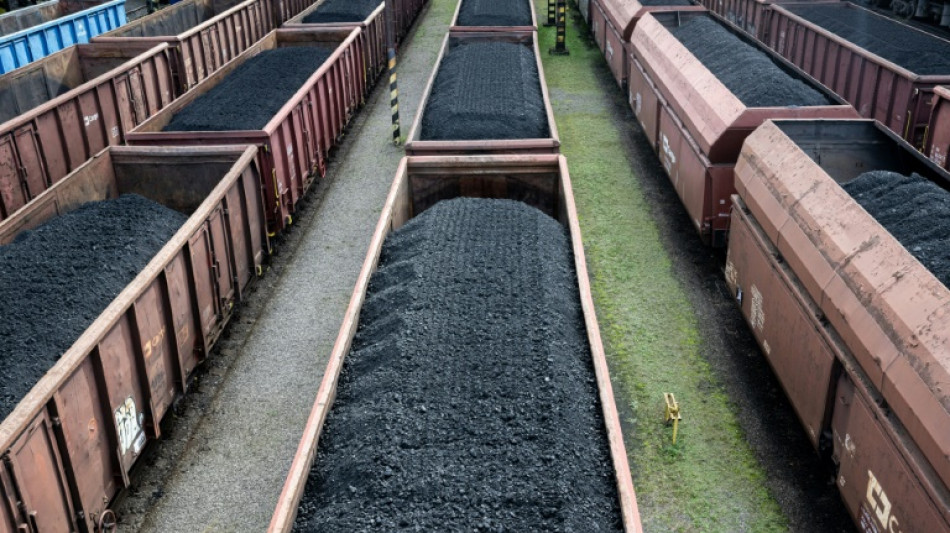
Despite last year's climate deal calling for the first time on countries to "transition away from fossil fuels", major economies are still planning oil and gas expansions in the decades ahead.
Renewable technology like solar and wind is being rolled-out at breakneck speed but not fast enough to stop burning more oil, coal and gas, the International Energy Agency (IEA) said in October.
Global emissions -- caused mainly by fossil fuels -- are at record highs, pushing concentrations of planet-warming greenhouse gases to unprecedented levels, two UN agencies reported.
Since inking the watershed COP28 pact in Dubai "leaders have been grappling with how to turn those commitments into reality", said Katrine Petersen from E3G, a policy think tank.
"There has been a bit of a vacuum of political leadership on some of this... and a potentially worrying trend that this landmark energy package has been slipping off leaders' political agendas."
Countries threatened by climate disaster were "waiting in vain to see the sharp decline in fossil fuel production that was heralded", said Pa'olelei Luteru, a Samoan diplomat.
"Alas, saying something is one thing and actually meaning it is quite another," said Luteru, who chairs the Alliance of Small Island States (AOSIS).
- 'Weakening support' -
Papua New Guinea, an impoverished Pacific nation vulnerable to climate shocks, says it is "sick of the rhetoric" and is boycotting this year's UN-led talks in Azerbaijan altogether.
AOSIS lead coordinator Toiata Uili said they were concerned about "weakening political support" for tough fossil fuel commitments, but would not let bigger countries off the hook.
Azerbaijan's lead negotiator Yalchin Rafiyev has acknowledged that many countries want "clear next steps" at COP29 to show progress on the Dubai pledges.
Behind the scenes, this has faced strong pushback from oil-rich nations, said one western diplomat.
Some of these countries felt they were led into over-committing at Dubai and were very reluctant to agree anything more on fossil fuels, the diplomat added.
Azerbaijan is accused of being reluctant to prioritise fossil fuels during the climate talks to protect its own oil and gas interests.
The COP29 host denies this, but says its focus during the November 11-22 conference is finalising a contentious deal to boost climate finance.
"Yes, this is the finance COP... but it is also essential that the progress that leaders made last year on the energy front isn't lost," said Petersen.
- 'Empty words' -
Despite political obstacles, there are signs the transition is beginning.
In October, the IEA said clean technology was attracting twice the investment of fossil fuels and by 2030, half the world's electricity would come from low-carbon sources.
"But with higher energy use even fast renewables growth doesn't translate to fast falls in CO2 emissions," said Dave Jones from think tank Ember.
In October, G20 leaders -- whose economies account for three-quarters of global emissions -- reaffirmed they would shift away from fossil fuels.
But the gap between what countries say and what they do is significant, said Anne Olhoff, co-author of a damning UN scorecard published in October.
In the past year, just one country -- Madagascar -- had announced tougher climate policies, it said.
"If we look at action and ambition, nothing much has happened at the global level since last year's report," Olhoff said.
Countries face pressure to articulate what concrete steps they are taking to wean off fossil fuels in their next national climate plans, due early 2025.
Many are promising bold policies that align with agreed warming limits, but are approving new oil and gas fields -- an impossible contradiction, says the UN's expert climate panel.
The "worst culprits" were rich Western nations, said Oil Change International and other activist groups in October. But the United Arab Emirates, Azerbaijan and Brazil -- the COP28, COP29 and COP30 hosts, respectively -- were also ramping up fossil fuel production, they said.
Meanwhile, global temperatures continue to rise, unleashing devastating impacts on people and ecosystems.
"When we talk about climate pledges we are talking about more than just arbitrary, empty words," said Andreas Sieber from activist group 350.org.
H.Dolezal--TPP