CMSC
0.0500

Na trhu je mnoho zimních pneumatik, ale jen málo z nich je skutečně dobrých. Dokazuje to společný test německého, rakouského a švýcarského autoklubu, v němž se tentokrát ocitlo 16 pneumatik rozměru 185/65 R15 běžného zejména u malých vozů (typicky Škoda Fabia, VW Polo, Renault Clio, Hyundai i20) a také 16 pneumatik rozměru 225/50 R17, používaných převážně v autech střední třídy (VW Passat, Ford Mondeo, Škoda Superb).
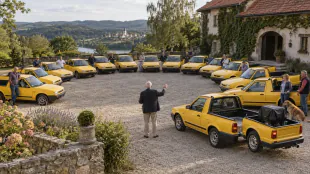
Škoda Felicia FunFoto: Eva TrendlováSraz majitelů Škoda Felicia Fun se konal při netradiční příležitosti – křtu knížky. Foto: Eva TrendlováDo Jizerního Vtelna se sjelo patnáct aut a půlka navíc – ta funguje jako přívěs s grilem. Foto: Eva TrendlováReklama Smrkové lišty na korbách chránily při převozu nákladu.

Řidiči se příští rok vyhnou dalšímu zdražení dálničních známek. Poslanecká sněmovna ve středu schválila novelu zákona, která ruší automatické každoroční zvyšování poplatků. Spolu s tím prošla změna, která může být pro některé řidiče praktický přínos.

Profesor Pavel Pafko se po dvou letech zúčastnil závodu Zbraslav–Jíloviště na Jawě 100 Robot. Při pokusu o výjezd mu kvůli potížím motocyklu pomohli přihlížející, druhé kolo už neabsolvoval.

Značky Omoda a Jaecoo ze skupiny Chery rozšiřují nabídku modelů i pohonů v Česku. Za prvních sedm měsíců roku 2026 jim zdrojový přehled připisuje 3 358 registrovaných vozů a jedenácté místo na trhu.
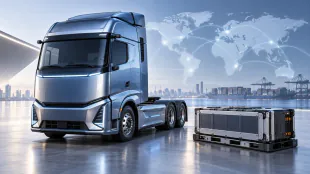
GAC Commercial Vehicle announced its debut at IAA TRANSPORTATION 2026 in Hannover, Germany, presenting autonomous and battery-swapping heavy trucks alongside new light commercial vehicle concepts under its MONTX brand.
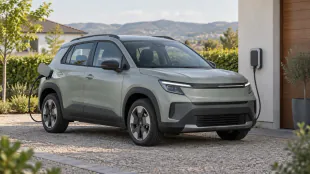
Nová verze elektrického SUV Škoda Epiq používá baterii LFP s kapacitou 37 kWh, výkon 99 kW a udávaný dojezd 328 kilometrů. Proti Epiqu 55 je o 120 tisíc korun levnější.

Elektrický crossover Škoda Epiq ve verzi 55 nabízí baterii 52 kWh, dojezd 441 kilometrů a výkon 155 kW. Při zkušební trase dlouhé 182 kilometrů vykázal průměrnou spotřebu 10,9 kWh na 100 kilometrů.

Japan's Monarte has developed a parking platform that rises with floodwater while remaining secured between steel posts. Its Floating Floor is rated to support more than 6,600 pounds and requires no electric sensors or powered lifting mechanism.
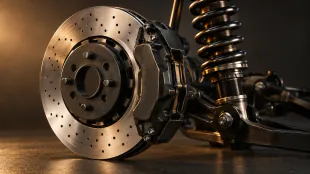
Mini has opened reservations for the 2027 1998 GT, a special edition combining the base Cooper's 161-horsepower engine with John Cooper Works suspension and brakes. The model is priced at $38,225.

Mitsubishi has unveiled the fifth-generation Pajero, reviving its flagship off-road SUV with body-on-frame construction, a seven-seat cabin and hardware designed for difficult terrain.

Honda is seeking about 1.5 trillion yen, or $9.4 billion, in savings by 2030 and has assigned suppliers aggressive price-reduction targets as it responds to mounting competition from Chinese automakers.
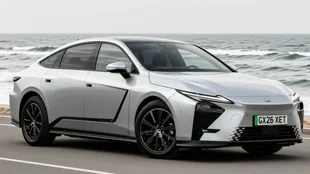
The Lexus ES has entered the Irish market with two powertrain options: a hybrid 300h and an electric 350e. While the vehicle offers excellent interior fit and finish, the electric variant faces criticism for underwhelming performance and ride refinement compared to European rivals. CompleteCar.ie provides a full assessment of its pricing, specifications, and driving dynamics.

RoboSense reported rapid first-half LiDAR growth and outlined commercialization schedules for spatial cameras, tactile sensors and robotic joint modules.

Sunwoda generated 38.18 billion yuan in first-half revenue as electric-vehicle battery deliveries rose sharply and energy-storage capacity remained highly utilized.

Chinese vehicle exports reached 6.41 million units through July while domestic output and sales fell, pushing manufacturers toward deeper localization abroad.

In the first half of 2026, China’s auto exports hit a record high for a semi-annual period, totalling more than 5 million units. BYD and Chery have emerged as the primary drivers of this industry’s global expansion.

Škoda Auto is celebrating the 30th anniversary of the modern Škoda Octavia, a model that has become central to the brand’s identity and growth. Since series production began in September 1996, nearly 7.9 million units have been manufactured globally across four distinct generations.

जिन दिनों बख्तरबंद सरकारी वाहनों को मुख्य रूप से राज्य शक्ति का एक दृश्यमान प्रतीक माना जाता था, वे दिन अब समाप्त हो चुके हैं। राजनीतिक उग्रवाद, आतंकवादी खतरों, हाइब्रिड हमलों, तोड़फोड़ और अंतरराष्ट्रीय संघर्षों के परिणामों से परिभाषित सुरक्षा परिवेश में, उच्च-जोखिम वाले व्यक्तियों के लिए विशेष रूप से बख्तरबंद वाहन पेशेवर सुरक्षा रणनीतियों का एक व्यावहारिक घटक बनते जा रहे हैं। टोयोटा लैंड क्रूज़र 300 पर आधारित स्टूफ़ ट्रोजन इस बदलाव का एक प्रमुख उदाहरण है।

장갑차 형태의 공무용 차량이 주로 국가 권력의 가시적인 상징으로 인식되던 시대는 지났다. 정치적 급진화, 테러 위협, 하이브리드 공격, 사보타주, 그리고 국제 분쟁의 여파가 특징인 현재의 안보 상황에서, 특히 위험에 노출된 인물을 위한 특수 경호 차량은 전문적인 보안 전략의 필수적인 요소로 자리 잡고 있습니다. 토요타 랜드크루저 300을 기반으로 한 ‘스토프 트로이안(Stoof Trojan)’은 이러한 변화를 잘 보여주는 대표적인 사례입니다.

لقد ولت الحقبة التي كانت فيها السيارات المصفحة الخاصة بالخدمة تُعتبر في المقام الأول رمزاً مرئياً لسلطة الدولة. في ظل وضع أمني يتسم بالتطرف السياسي والتهديدات الإرهابية والهجمات الهجينة وأعمال التخريب وتداعيات النزاعات الدولية، أصبحت المركبات المزودة بحماية خاصة للأشخاص المعرضين لخطر شديد جزءًا لا غنى عنه من خطط الأمن الاحترافية. وتُعد سيارة «Stoof Trojan»، المصممة على أساس طراز «تويوتا لاند كروزر 300»، مثالاً بارزًا على هذا التحول.

The days when armoured official vehicles were seen primarily as a visible symbol of state power are over. In a security environment characterised by political radicalisation, terrorist threats, hybrid attacks, sabotage and the repercussions of international conflicts, specially armoured vehicles for high-risk individuals are increasingly becoming a practical component of professional security strategies. The Stoof Trojan, based on the Toyota Land Cruiser 300, is a prime example of this shift.

Часи, коли броньовані службові автомобілі сприймалися насамперед як видимий символ державної влади, минули. У безпековій ситуації, що характеризується політичною радикалізацією, терористичними загрозами, гібридними атаками, саботажем та наслідками міжнародних конфліктів, автомобілі з посиленим захистом для осіб, які перебувають у зоні підвищеного ризику, дедалі частіше стають невід’ємною складовою професійних концепцій безпеки. Автомобіль Stoof Trojan, створений на базі Toyota Land Cruiser 300, є яскравим прикладом цих змін.

過去那種將裝甲公務車主要視為國家權力象徵的時代已經一去不復返。在當今這般充斥著政治激進化、恐怖主義威脅、混合式攻擊、破壞活動以及國際衝突影響的安全環境下,專為高風險人士設計的特勤防護車輛,正日益成為專業安全方案中不可或缺的實務環節。以豐田Land Cruiser 300為基礎打造的Stoof Trojan,正是這項轉變的典範。

装甲公用車が、主に国家の権力の象徴として認識されていた時代は終わった。政治的過激化、テロの脅威、ハイブリッド攻撃、破壊工作、そして国際紛争の影響といった要素が特徴的な安全保障情勢において、特に危険にさらされている人物のための特別防護車両は、専門的なセキュリティ対策の現実的な一要素としてますます重要性を増している。トヨタ・ランドクルーザー300をベースにした「ストーフ・トロイアン」は、この変化を象徴する存在である。

BMW has spent several years exploring the idea that a vehicle’s exterior need not remain a permanently fixed surface. With the iX3 Flow Edition, presented at Auto China 2026 in Beijing, that vision has taken a decisive step away from experimental spectacle and towards something that could eventually be engineered, manufactured and offered on a series-production vehicle.
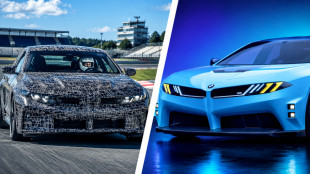
BMW is entering one of the most consequential product transitions in its modern history. What is now taking shape is not merely a routine sequence of facelifts and derivative launches, but a broad industrial and technological reset designed to carry the brand through the remainder of the decade.

London’s first licensed robotaxis are preparing to carry passengers, but the person behind the wheel is not disappearing just yet. Transport for London has authorised a small fleet of autonomous electric vehicles developed by British technology company Wayve for journeys booked through Uber. The decision moves autonomous ride-hailing beyond closed demonstrations and engineering tests, while stopping well short of approving a genuinely driverless service.

Europe’s argument over Tesla’s Full Self-Driving Supervised system has moved beyond the familiar contest between technological optimism and regulatory caution. It is now a dispute about evidence: how much the public should be allowed to know when a driver-assistance product is cleared for use on ordinary streets.
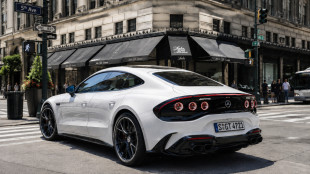
Mercedes-AMG’s new electric GT family was introduced with headline-grabbing output figures and a four-figure-horsepower flagship. The GT 53 takes a more measured route. As the new entry point to the 2027 AMG GT 4-Door Coupé range, it trades the three-motor architecture of the GT 55 and GT 63 for two synchronous motors, but retains the 800-volt battery system, all-wheel drive, active aerodynamics and grand-touring practicality.

For much of modern motoring, the luxury-car business rested on a straightforward promise. A prestigious badge offered access to richer materials, quieter cabins, superior performance and technology that ordinary vehicles could not match. In 2026, that promise is becoming harder to defend. Increasing numbers of American buyers are discovering that a generously equipped mainstream vehicle can deliver most of the comfort, digital capability and everyday refinement they want, while leaving tens of thousands of dollars in their bank accounts.

Changan’s appearance at the 41st Luanda International Fair was not simply a product display. By placing the all-electric DEEPAL S05 beside the range-extended DEEPAL G318, the CHANGAN CS75 PLUS and the new CHANGAN UNI-S, the Chinese manufacturer presented a deliberate picture of how it intends to grow in Africa: not through a single propulsion technology, but through a broad portfolio supported by dealers, spare parts, service capacity and increasingly localised operations.