The Prague Post - Venezuela braces after Strike

EUR -
AED 4.301716
AFN 77.102387
ALL 96.616471
AMD 443.59572
ANG 2.096746
AOA 1074.110656
ARS 1684.073797
AUD 1.758993
AWG 2.108396
AZN 1.969468
BAM 1.957105
BBD 2.345093
BDT 142.274846
BGN 1.956007
BHD 0.441553
BIF 3442.853937
BMD 1.171331
BND 1.509332
BOB 8.045363
BRL 6.406593
BSD 1.164301
BTN 104.676122
BWP 15.509538
BYN 3.38224
BYR 22958.084827
BZD 2.341701
CAD 1.616097
CDF 2613.239193
CHF 0.932854
CLF 0.027423
CLP 1075.808999
CNY 8.274988
CNH 8.264125
COP 4497.758224
CRC 573.294418
CUC 1.171331
CUP 31.040268
CVE 110.338556
CZK 24.254104
DJF 207.332642
DKK 7.469173
DOP 74.991593
DZD 152.193302
EGP 55.679188
ERN 17.569963
ETB 181.362875
FJD 2.661028
FKP 0.878173
GBP 0.875095
GEL 3.150162
GGP 0.878173
GHS 13.36591
GIP 0.878173
GMD 86.093306
GNF 10127.924632
GTQ 8.912942
GYD 243.592389
HKD 9.11565
HNL 30.667099
HRK 7.533972
HTG 152.464242
HUF 384.781097
IDR 19525.616879
ILS 3.760118
IMP 0.878173
INR 105.789742
IQD 1525.229804
IRR 49342.312982
ISK 148.653646
JEP 0.878173
JMD 186.706858
JOD 0.830471
JPY 182.433563
KES 151.043402
KGS 102.432364
KHR 4665.189668
KMF 494.301362
KPW 1054.231935
KRW 1724.076032
KWD 0.359305
KYD 0.970243
KZT 603.629828
LAK 25249.724748
LBP 104262.760889
LKR 359.538149
LRD 205.499626
LSL 19.790509
LTL 3.458635
LVL 0.708527
LYD 6.336359
MAD 10.761174
MDL 19.82213
MGA 5198.532133
MKD 61.550841
MMK 2459.697828
MNT 4154.37601
MOP 9.332201
MRU 46.432945
MUR 53.96325
MVR 18.043867
MWK 2018.971787
MXN 21.296909
MYR 4.814311
MZN 74.859436
NAD 19.790509
NGN 1696.918251
NIO 42.849297
NOK 11.831326
NPR 167.483226
NZD 2.014724
OMR 0.450386
PAB 1.164276
PEN 3.91441
PGK 4.940378
PHP 69.135453
PKR 329.125834
PLN 4.227977
PYG 7933.458103
QAR 4.244229
RON 5.090017
RSD 117.381377
RUB 92.827568
RWF 1694.651428
SAR 4.395478
SBD 9.640746
SCR 16.086003
SDG 704.554117
SEK 10.833077
SGD 1.515035
SHP 0.878802
SLE 28.228883
SLL 24562.220258
SOS 664.251324
SRD 45.233288
STD 24244.183864
STN 24.516763
SVC 10.187748
SYP 12951.233403
SZL 19.783611
THB 37.189173
TJS 10.769872
TMT 4.111371
TND 3.422281
TOP 2.820284
TRY 49.900805
TTD 7.89523
TWD 36.561336
TZS 2881.45984
UAH 49.291291
UGX 4156.771079
USD 1.171331
UYU 45.630419
UZS 13975.25684
VES 301.742191
VND 30838.213177
VUV 143.479984
WST 3.256414
XAF 656.402992
XAG 0.018862
XAU 0.000278
XCD 3.16558
XCG 2.098417
XDR 0.816355
XOF 656.4086
XPF 119.331742
YER 279.391668
ZAR 19.827656
ZMK 10543.376279
ZMW 27.076397
ZWL 377.168059
  • SCS

    0.0200

    16.14

    +0.12%

  • CMSC

    0.0600

    23.3

    +0.26%

  • CMSD

    0.0600

    23.28

    +0.26%

  • RBGPF

    3.1200

    81.17

    +3.84%

  • BCE

    0.0400

    23.19

    +0.17%

  • RYCEF

    0.1400

    14.74

    +0.95%

  • BCC

    5.0100

    77.01

    +6.51%

  • JRI

    0.0190

    13.72

    +0.14%

  • NGG

    -0.2500

    74.64

    -0.33%

  • RIO

    1.8400

    76.24

    +2.41%

  • RELX

    0.5400

    40.08

    +1.35%

  • VOD

    0.0600

    12.56

    +0.48%

  • GSK

    1.1400

    48.41

    +2.35%

  • BTI

    1.4700

    58.76

    +2.5%

  • AZN

    1.6900

    91.51

    +1.85%

  • BP

    0.3300

    35.88

    +0.92%


Venezuela braces after Strike


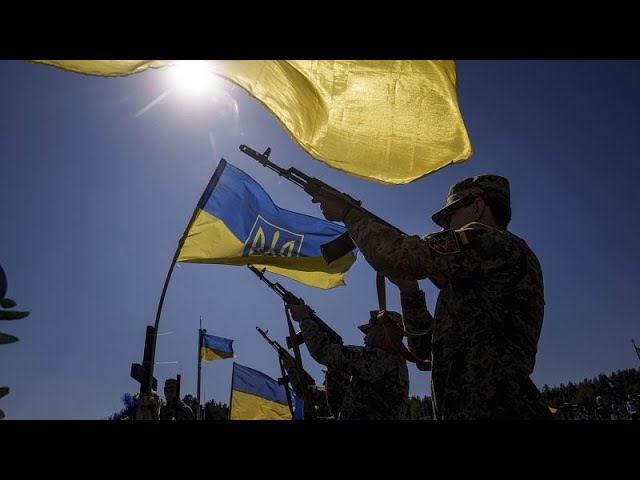
The first kinetic U.S. strike aimed at a suspected cartel vessel departing Venezuela has jolted the region and pushed Caracas onto a war-footing. In Washington, officials frame the action as a necessary escalation in a broader campaign against transnational crime. In Caracas, leaders denounce it as a pretext for intervention. Between these poles lies a volatile mix of military signaling, legal ambiguity, and the risk of miscalculation.

In the early hours of this week’s operation, a U.S. Navy asset destroyed a speedboat that American officials said was transporting narcotics and crewed by members of a violent gang with roots in Venezuela. The attack, which killed multiple occupants, marked a departure from the long-standing pattern of maritime interceptions and arrests in the Caribbean. It was a strike designed to deter—and to advertise a new threshold. 

Inside the United States, the move sits within a sharper doctrine: treating major Latin American criminal organizations as terrorist entities and, when judged necessary, applying military force beyond U.S. borders. Recent designations and rhetoric have been used to justify an expanded toolset—sanctions, asset freezes, forward deployments, and, now, lethal action at sea. Critics warn that such steps outpace statutory authorities and established international law. Supporters counter that cartels operate as militarized networks and should be met accordingly. 

In the days following the strike, senior officials signaled that more operations are on the table. Additional U.S. aircraft have moved into the Caribbean theater, and planners are weighing options that range from intensified maritime interdiction to potential strikes on cartel infrastructure. The visible buildup—paired with high-profile statements from the White House—aims to deter trafficking networks and pressure Caracas to curb their reach. 

Venezuela has answered with its own show of force. President Nicolás Maduro ordered troop surges to coastal and border states identified as smuggling corridors, while defense chiefs pledged large-scale counter-narcotics operations under national command. The message is twofold: sovereignty will be defended, and Caracas—not Washington—will police Venezuela’s territory and adjacent waters. The moves underscore how quickly an anti-cartel push can harden into state-to-state confrontation.

The legal terrain remains unsettled. Absent a specific congressional authorization for the use of force against Venezuela, and without a U.N. mandate, scholars question the durability of a self-defense rationale for strikes beyond interdiction at sea. Even advocates of a tougher line acknowledge that expanding targets inland would raise qualitatively different questions about sovereignty and escalation. The administration’s rebranding of counter-drug policy with overt military framing has amplified these debates at home and abroad. 

Markets and migration add further complexity. Any spiral that interrupts Venezuelan oil logistics, triggers new sanctions rounds, or heightens insecurity could reverberate across regional energy flows and displacement patterns. Neighboring states, wary of spillover violence and politicized migration surges, are urging restraint even as they cooperate on interdiction and financial tracking. Early diplomatic readouts suggest quiet shuttle efforts to prevent misreads at sea from becoming catalyst events. 

For now, the strategic picture is clear enough. Washington has crossed a visible line with a highly publicized strike meant to reset cartel risk-reward calculations. Caracas has mobilized to signal resolve and control. Both sides are testing how far they can push without tipping into a broader clash. The coming weeks—defined by whether operations stay offshore, how each side messages its red lines, and whether third countries can shape rules of engagement—will determine if this “first strike” becomes an inflection point or an isolated warning shot. 


Featured


Marhabaan, welcome to the UAE and Dubai!

Marhabaan, welcome to the UAE and Dubai! The "skyward striving" Dubai next to ancient desert cities. Mysterious Bedouins and magnificent mosques exist peacefully alongside futuristic cities. Discover wadis and oases, golden sandy deserts, paradisiacal beaches and Arabian hospitality. The modern and the ancient Orient united in a book for dreaming.On this journey to Dubai and Abu Dhabi in the United Arab Emirates, the fairy tales of 1001 Arabian Nights meet the modern Arab world. These cascading cities enchant with their sky-high skyscrapers, fragrant souks, huge shopping centres and the ancient cultural heritage of the sheikhs.You can choose to stay in 4- or 5-star hotels with breakfast and swimming pools. You also have more options to book excursions so you can feel the magic of the East even more. If you want to do something out of the ordinary, you can spend an extra night in an enchanting hotel in the middle of the emirate's desert. Experience your own fairytale from 1001 nights and look forward to a holiday with plenty of casual extravagance in two superlative desert cities!

Trade and business at the Dubai Gold Souk

If Naif Deira is associated with a specific context, organization, or field, providing more details could help me offer more relevant information. Keep in mind that privacy considerations and ethical guidelines limit the amount of information available about private individuals, especially those who are not public figures. The Dubai Gold Souk is one of the most famous gold markets in the world and is located in the heart of Dubai's commercial business district in Deira. It's a traditional market where you can find a wide variety of gold, silver, and precious stone jewelry. The Gold Souk is known for its extensive selection of jewelry, including rings, bracelets, necklaces, and earrings, often crafted with intricate designs.Variety: The Gold Souk offers a vast array of jewelry designs, with a focus on gold. You can find items ranging from traditional to modern styles.Competitive Pricing: The market is known for its competitive pricing, and bargaining is a common practice. Prices are typically based on the weight of the gold and the craftsmanship involved.Gold and More: While gold is the primary focus, the souk also offers other precious metals such as silver and platinum, as well as a selection of gemstones.Cultural Experience: Visiting the Gold Souk provides not only a shopping experience but also a glimpse into the traditional trading culture of Dubai. The vibrant market is a popular destination for both tourists and locals.Security: The market is generally safe, and there are numerous shops with security measures in place. However, as with any crowded area, it's advisable to take standard precautions regarding personal belongings.Gold Souk is just one part of the larger Deira Souk complex, which also includes the Spice Souk and the Textile Souk. It's a must-visit for those interested in jewelry, and it reflects the rich cultural and trading history of Dubai.

Dubai: Amazing City Center, Night Walking Tour

During this excursion, we leisurely explore Dubai Downtown and Burj Khalifa in the evening, giving you the chance to witness the captivating transformation of the district as it comes alive with the vibrant glow of thousands of lights. As the sun sets, the illuminated facade of Burj Khalifa and the enchanting Dubai Fountain collaborate to produce a genuinely magical atmosphere.Dubai Downtown, also known as Downtown Dubai, is a distinguished and iconic district situated in the heart of Dubai, United Arab Emirates. It is a renowned neighborhood celebrated for its striking architecture, luxurious living, and exceptional entertainment options. At the core of Downtown Dubai stands the Burj Khalifa, a towering skyscraper that holds the title of the world's tallest man-made structure and serves as an emblem of modern Dubai.Burj Khalifa: The focal point of Downtown Dubai, Burj Khalifa, is famous for its groundbreaking height, reaching an impressive 828 meters (2,722 feet). Designed by architect Adrian Smith, its distinctive Y-shaped design encompasses a mix of residential, commercial, and hotel spaces.Dubai Mall: Adjacent to Burj Khalifa is the Dubai Mall, one of the largest shopping malls globally, featuring an extensive array of retail outlets, from high-end boutiques to international brands. The mall also provides various dining options, and entertainment attractions like an indoor ice rink and an aquarium, and hosts the mesmerizing Dubai Fountain.Dubai Fountain: Located just outside the Dubai Mall, the Dubai Fountain is a captivating attraction that presents a nightly spectacle of water, music, and light, captivating visitors with its perfectly synchronized performances.Emaar Boulevard: Stretching through Downtown Dubai, this boulevard is adorned with restaurants, cafes, and shops, making it a popular spot for leisurely strolls, dining, and people-watching.Luxury Living: Downtown Dubai boasts numerous upscale residential buildings and hotels, making it an appealing locale for those seeking a sophisticated urban lifestyle.Cultural Attractions: The Dubai Opera, an iconic cultural venue within the district, hosts a diverse range of performances, including opera, ballet, concerts, and theater productions.Transportation: Downtown Dubai is well-connected through public transportation, including the Dubai Metro, facilitating easy access to other parts of the city.In summary, Downtown Dubai is a dynamic and vibrant district that stands as a testament to Dubai's modernity and grandeur. It seamlessly combines architectural wonders with shopping, entertainment, and cultural offerings, creating a truly extraordinary destination.