The Prague Post - A new vision for Japan

EUR -
AED 4.332827
AFN 75.506935
ALL 95.708935
AMD 441.469974
ANG 2.111708
AOA 1081.877662
ARS 1611.349391
AUD 1.651805
AWG 2.117744
AZN 2.007301
BAM 1.957013
BBD 2.377444
BDT 145.160001
BGN 1.968029
BHD 0.444927
BIF 3558.891463
BMD 1.179801
BND 1.501124
BOB 8.157057
BRL 5.880014
BSD 1.180417
BTN 109.862184
BWP 15.816739
BYN 3.353979
BYR 23124.10916
BZD 2.374062
CAD 1.62451
CDF 2725.341259
CHF 0.92131
CLF 0.026583
CLP 1046.223864
CNY 8.043474
CNH 8.038754
COP 4240.489699
CRC 543.434631
CUC 1.179801
CUP 31.264739
CVE 110.332472
CZK 24.336234
DJF 210.197652
DKK 7.472939
DOP 70.353322
DZD 155.930836
EGP 61.914209
ERN 17.697022
ETB 184.310193
FJD 2.593616
FKP 0.876694
GBP 0.869219
GEL 3.167747
GGP 0.876694
GHS 13.042976
GIP 0.876694
GMD 86.711708
GNF 10357.333853
GTQ 9.024519
GYD 246.963119
HKD 9.246989
HNL 31.352306
HRK 7.535162
HTG 154.63522
HUF 363.302761
IDR 20219.673857
ILS 3.557538
IMP 0.876694
INR 110.170451
IQD 1546.358757
IRR 1552766.232829
ISK 143.815074
JEP 0.876694
JMD 186.394777
JOD 0.836455
JPY 187.458502
KES 152.607804
KGS 103.173256
KHR 4735.916241
KMF 493.156757
KPW 1061.790688
KRW 1739.021509
KWD 0.364842
KYD 0.98371
KZT 560.837725
LAK 25936.080608
LBP 105705.438341
LKR 372.480942
LRD 217.603071
LSL 19.329585
LTL 3.483647
LVL 0.71365
LYD 7.477541
MAD 10.91877
MDL 20.214533
MGA 4881.005583
MKD 61.658596
MMK 2477.437583
MNT 4218.457946
MOP 9.524446
MRU 46.909687
MUR 54.565766
MVR 18.239444
MWK 2046.860398
MXN 20.354531
MYR 4.660233
MZN 75.454216
NAD 19.329585
NGN 1595.387122
NIO 43.437668
NOK 11.131438
NPR 175.78024
NZD 1.997622
OMR 0.453639
PAB 1.180437
PEN 3.981168
PGK 5.193176
PHP 70.816367
PKR 329.243639
PLN 4.238596
PYG 7552.586649
QAR 4.303332
RON 5.091431
RSD 117.402069
RUB 88.929388
RWF 1728.664462
SAR 4.426568
SBD 9.495644
SCR 16.692388
SDG 709.060724
SEK 10.829929
SGD 1.499663
SHP 0.880841
SLE 29.082169
SLL 24739.842774
SOS 674.615409
SRD 44.159673
STD 24419.508787
STN 24.514992
SVC 10.328404
SYP 130.522854
SZL 19.323899
THB 37.717932
TJS 11.178478
TMT 4.135204
TND 3.427496
TOP 2.840679
TRY 52.793988
TTD 8.020973
TWD 37.297008
TZS 3068.925606
UAH 51.362828
UGX 4379.715464
USD 1.179801
UYU 47.499047
UZS 14335.888382
VES 562.799347
VND 31062.993371
VUV 140.790556
WST 3.255472
XAF 656.361168
XAG 0.014837
XAU 0.000245
XCD 3.188473
XCG 2.127419
XDR 0.816303
XOF 656.355602
XPF 119.331742
YER 281.41212
ZAR 19.275247
ZMK 10619.624149
ZMW 22.57471
ZWL 379.895598
  • CMSC

    0.1500

    22.64

    +0.66%

  • JRI

    0.0000

    12.92

    0%

  • BCC

    0.1700

    81.72

    +0.21%

  • CMSD

    0.1700

    22.83

    +0.74%

  • AZN

    2.1400

    204.38

    +1.05%

  • BCE

    0.3500

    23.85

    +1.47%

  • BTI

    -1.1800

    57.51

    -2.05%

  • NGG

    0.0000

    88.95

    0%

  • BP

    -0.2700

    46.17

    -0.58%

  • RIO

    -0.3300

    98.87

    -0.33%

  • GSK

    0.2400

    59.18

    +0.41%

  • RBGPF

    -13.5000

    69

    -19.57%

  • RYCEF

    0.5900

    17.79

    +3.32%

  • RELX

    0.4600

    34.71

    +1.33%

  • VOD

    -0.0300

    15.62

    -0.19%


A new vision for Japan


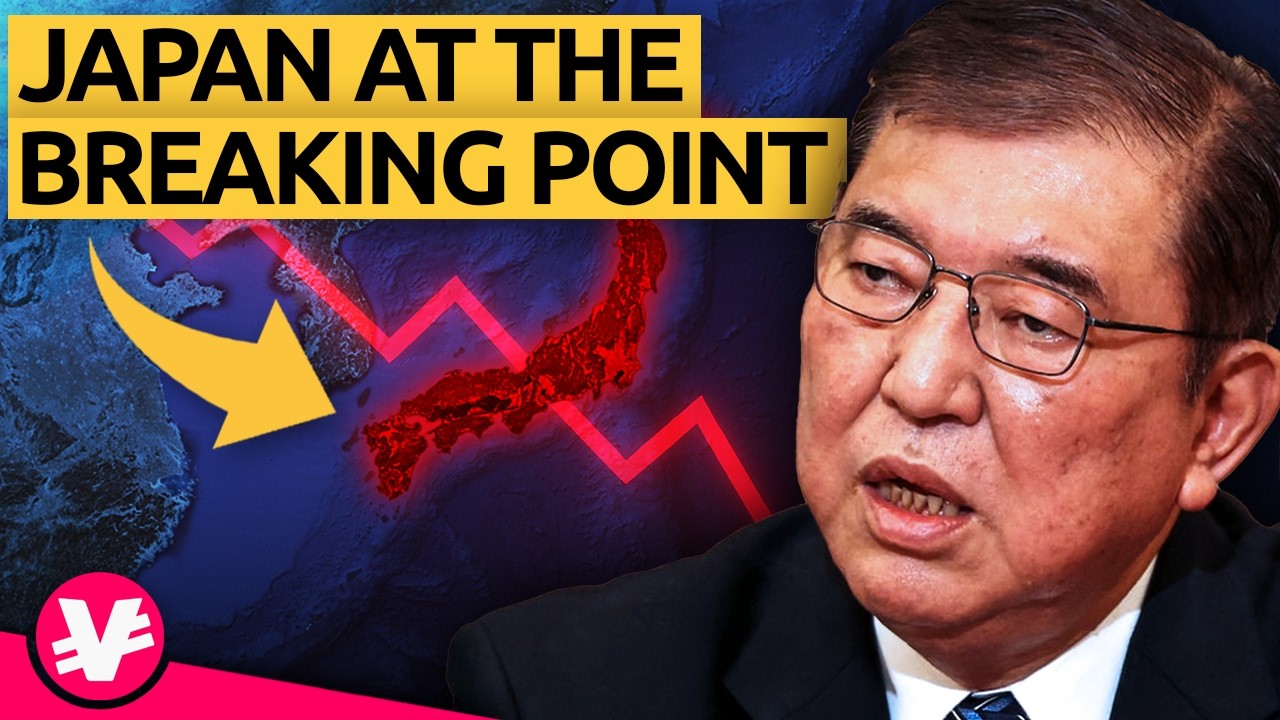
Sanae Takaichi’s election as prime minister in October 2025 has ushered in a historic and transformative period for Japan. She is the country’s first woman to hold the post and, with a small Conservative bloc in parliament, she must rely on cooperation from opposition parties to deliver her ambitious agenda. A protégé of the late Shinzo Abe and a keen admirer of Margaret Thatcher, she promised during her leadership campaign to reassert Japan’s economic might, strengthen national security and regain the trust of conservative voters lost to right‑wing rivals.

Reviving the economy through fiscal firepower
Takaichi’s economic agenda centres on aggressive public spending coupled with targeted tax cuts. Within days of taking office she began drafting a fiscal package worth more than ¥13.9 trillion, surpassing the stimulus enacted in the previous year. The package aims to cushion households from inflation, expand investment in growth industries and support national security. Among the key measures under discussion are the abolition of a provisional gasoline tax that has been in place since 1974, lifting the income tax exemption threshold from ¥1.03 million to ¥1.6 million and combining income tax deductions with cash benefits to provide relief without increasing headline tax rates.

A Growth Strategy Council has been established to steer these efforts. The panel will map out a medium‑term plan by next summer, identifying sectors such as artificial intelligence, semiconductors, shipbuilding, defence and telecommunications as priorities. Takaichi has already signalled her intention to invest roughly ¥1.7 trillion in Rapidus, Japan’s fledgling chipmaker, with the goal of tripling its overseas revenue by 2033. She has charged her ministers with developing domestic supply chains for semiconductors and AI and with supporting small and medium‑sized businesses through tax reforms and productivity‑boosting incentives. Her emphasis on “responsible and proactive fiscal policy” seeks to ensure that economic growth outpaces debt accumulation, even if the programme is financed through deficit bonds.

In addition to the stimulus package, Takaichi has pledged to transform Japan into a global asset‑management hub and to create a national disaster‑prevention agency. She advocates establishing a “secondary capital” outside Tokyo to decentralise government functions, and she has called for social security reforms to balance benefits and costs in an ageing society. Recognising that recovery from the Fukushima nuclear disaster remains incomplete, she instructed the new economy minister to prioritise reconstruction alongside growth initiatives. Energy policy features prominently in her plan: she wants Japan to leverage renewable energy and nuclear power to secure a decarbonised yet stable electricity supply.

Accelerating military modernisation
National security is another pillar of Takaichi’s platform. Breaking with decades of precedent, she intends to raise defence spending to 2 per cent of gross domestic product by the end of March 2026 — two years ahead of the timetable set by her predecessor. This acceleration will require an extra trillion yen through a supplementary budget and marks Japan’s largest defence build‑up since the Second World War. Her government has already begun revising the National Security Strategy, National Defence Strategy and Defence Buildup Programme to reflect the changing security environment, citing Russia’s invasion of Ukraine, regional conflicts in the Middle East and heightened pressure from China and North Korea.

The new administration’s alliance with the Japan Innovation Party, which shares a hawkish stance on China, removes the moderating influence of the pacifist‑leaning Komeito and liberates her to pursue constitutional change. Takaichi is a long‑time advocate of revising Article 9 of the Constitution to acknowledge the Self‑Defence Forces and relax restrictions on arms exports. Her coalition partners have floated proposals for a nuclear‑sharing arrangement with the United States, a radical departure from Japan’s longstanding non‑nuclear principles. She hopes to deepen ties with Washington and has signalled she will quickly meet President Donald Trump to discuss ways to strengthen the bilateral alliance. In the face of calls from some U.S. officials to raise defence outlays to 3 or even 5 per cent of GDP, she is likely to present a package of purchases ranging from American vehicles and soybeans to natural gas and attract U.S. investment in Japanese industries. At the same time, she has pledged to maintain a constructive relationship with China and to work with South Korea, Australia and India to support a free and open Indo‑Pacific.

A tougher line on immigration and foreign ownership
Alongside her economic and security initiatives, Takaichi has placed immigration at the heart of her domestic agenda. Despite acknowledging the need for foreign labour to offset Japan’s demographic decline, she has vowed to “set limits” on the number of foreign workers admitted through programmes designed to address labour shortages. In an early ministerial meeting on foreign nationals she argued that public anxiety stems from rule‑breaking by a minority of foreigners and announced plans to deny visa renewals to those who fall behind on pension or health‑insurance contributions. She has also instructed ministers to examine tighter regulations on land purchases by foreign nationals, particularly Chinese investors, and to develop a population strategy by fiscal 2026 with numerical targets for foreign residents.

Takaichi’s cabinet includes a minister specifically responsible for economic security and harmonious coexistence with foreign nationals. This official, Kimi Onoda, has been tasked with coordinating immigration policy, enforcing compliance and examining regulations on property ownership. The prime minister insists that her approach is aimed at ensuring fairness rather than promoting xenophobia. Critics, however, argue that the rhetoric and policies reflect a broader nationalist turn within the ruling party. During the leadership race she built support by invoking isolated anecdotes to justify restrictions on foreigners, echoing the populist “Japanese First” platform championed by right‑wing groups. Opponents warn that such measures could undermine industries that rely on overseas labour and exacerbate social divisions.

Managing minority rule and foreign relations
The political context surrounding Takaichi’s premiership complicates the implementation of her agenda. Her coalition is two votes short of a majority in the lower house, compelling her to seek backing from centrist and opposition parties to pass budgets and constitutional amendments. While she enjoys strong approval ratings in the early days of her government, observers question whether she can sustain momentum when her spending plans face scrutiny over Japan’s already‑high public debt.

Diplomatically, Takaichi must balance her hawkish instincts with regional realities. She reaffirmed Japan’s commitment to supporting Ukraine, pledged to secure the return of citizens abducted by North Korea, and called China an important neighbour despite labelling its actions a security challenge. In a symbolic nod to regional sensitivities, she refrained from visiting the Yasukuni war shrine during the autumn festival, a move interpreted as an attempt to ease tensions with Beijing and Seoul. Nevertheless, her regular visits in the past and her hard‑line views on wartime history continue to evoke suspicion abroad.

Sanae Takaichi’s rise to Japan’s highest office brings a blend of economic populism, military assertiveness and cultural conservatism. Her vision seeks to rekindle growth through massive public investment while rewriting the rules that have governed Japan’s post‑war pacifism and demographic openness. Whether she succeeds in changing Japan forever will depend on her ability to steer her minority government through political turbulence, manage relations with powerful allies and competitors, and reconcile a rapidly ageing society with the demands of globalisation.


Featured


Marhabaan, welcome to the UAE and Dubai!

Marhabaan, welcome to the UAE and Dubai! The "skyward striving" Dubai next to ancient desert cities. Mysterious Bedouins and magnificent mosques exist peacefully alongside futuristic cities. Discover wadis and oases, golden sandy deserts, paradisiacal beaches and Arabian hospitality. The modern and the ancient Orient united in a book for dreaming.On this journey to Dubai and Abu Dhabi in the United Arab Emirates, the fairy tales of 1001 Arabian Nights meet the modern Arab world. These cascading cities enchant with their sky-high skyscrapers, fragrant souks, huge shopping centres and the ancient cultural heritage of the sheikhs.You can choose to stay in 4- or 5-star hotels with breakfast and swimming pools. You also have more options to book excursions so you can feel the magic of the East even more. If you want to do something out of the ordinary, you can spend an extra night in an enchanting hotel in the middle of the emirate's desert. Experience your own fairytale from 1001 nights and look forward to a holiday with plenty of casual extravagance in two superlative desert cities!

Trade and business at the Dubai Gold Souk

If Naif Deira is associated with a specific context, organization, or field, providing more details could help me offer more relevant information. Keep in mind that privacy considerations and ethical guidelines limit the amount of information available about private individuals, especially those who are not public figures. The Dubai Gold Souk is one of the most famous gold markets in the world and is located in the heart of Dubai's commercial business district in Deira. It's a traditional market where you can find a wide variety of gold, silver, and precious stone jewelry. The Gold Souk is known for its extensive selection of jewelry, including rings, bracelets, necklaces, and earrings, often crafted with intricate designs.Variety: The Gold Souk offers a vast array of jewelry designs, with a focus on gold. You can find items ranging from traditional to modern styles.Competitive Pricing: The market is known for its competitive pricing, and bargaining is a common practice. Prices are typically based on the weight of the gold and the craftsmanship involved.Gold and More: While gold is the primary focus, the souk also offers other precious metals such as silver and platinum, as well as a selection of gemstones.Cultural Experience: Visiting the Gold Souk provides not only a shopping experience but also a glimpse into the traditional trading culture of Dubai. The vibrant market is a popular destination for both tourists and locals.Security: The market is generally safe, and there are numerous shops with security measures in place. However, as with any crowded area, it's advisable to take standard precautions regarding personal belongings.Gold Souk is just one part of the larger Deira Souk complex, which also includes the Spice Souk and the Textile Souk. It's a must-visit for those interested in jewelry, and it reflects the rich cultural and trading history of Dubai.

Dubai: Amazing City Center, Night Walking Tour

During this excursion, we leisurely explore Dubai Downtown and Burj Khalifa in the evening, giving you the chance to witness the captivating transformation of the district as it comes alive with the vibrant glow of thousands of lights. As the sun sets, the illuminated facade of Burj Khalifa and the enchanting Dubai Fountain collaborate to produce a genuinely magical atmosphere.Dubai Downtown, also known as Downtown Dubai, is a distinguished and iconic district situated in the heart of Dubai, United Arab Emirates. It is a renowned neighborhood celebrated for its striking architecture, luxurious living, and exceptional entertainment options. At the core of Downtown Dubai stands the Burj Khalifa, a towering skyscraper that holds the title of the world's tallest man-made structure and serves as an emblem of modern Dubai.Burj Khalifa: The focal point of Downtown Dubai, Burj Khalifa, is famous for its groundbreaking height, reaching an impressive 828 meters (2,722 feet). Designed by architect Adrian Smith, its distinctive Y-shaped design encompasses a mix of residential, commercial, and hotel spaces.Dubai Mall: Adjacent to Burj Khalifa is the Dubai Mall, one of the largest shopping malls globally, featuring an extensive array of retail outlets, from high-end boutiques to international brands. The mall also provides various dining options, and entertainment attractions like an indoor ice rink and an aquarium, and hosts the mesmerizing Dubai Fountain.Dubai Fountain: Located just outside the Dubai Mall, the Dubai Fountain is a captivating attraction that presents a nightly spectacle of water, music, and light, captivating visitors with its perfectly synchronized performances.Emaar Boulevard: Stretching through Downtown Dubai, this boulevard is adorned with restaurants, cafes, and shops, making it a popular spot for leisurely strolls, dining, and people-watching.Luxury Living: Downtown Dubai boasts numerous upscale residential buildings and hotels, making it an appealing locale for those seeking a sophisticated urban lifestyle.Cultural Attractions: The Dubai Opera, an iconic cultural venue within the district, hosts a diverse range of performances, including opera, ballet, concerts, and theater productions.Transportation: Downtown Dubai is well-connected through public transportation, including the Dubai Metro, facilitating easy access to other parts of the city.In summary, Downtown Dubai is a dynamic and vibrant district that stands as a testament to Dubai's modernity and grandeur. It seamlessly combines architectural wonders with shopping, entertainment, and cultural offerings, creating a truly extraordinary destination.