The Prague Post - Europe’s power shock

EUR -
AED 4.2817
AFN 75.782507
ALL 96.673412
AMD 444.398095
ANG 2.087399
AOA 1069.114397
ARS 1704.388282
AUD 1.74075
AWG 2.076145
AZN 1.99115
BAM 1.956249
BBD 2.346158
BDT 142.342641
BGN 1.94317
BHD 0.439116
BIF 3447.653238
BMD 1.165882
BND 1.498514
BOB 8.066781
BRL 6.285737
BSD 1.164977
BTN 104.911708
BWP 15.630053
BYN 3.410911
BYR 22851.294129
BZD 2.342757
CAD 1.619801
CDF 2634.89475
CHF 0.931225
CLF 0.026662
CLP 1045.959428
CNY 8.134769
CNH 8.130517
COP 4329.387532
CRC 579.252704
CUC 1.165882
CUP 30.895882
CVE 110.289345
CZK 24.259797
DJF 207.439348
DKK 7.472023
DOP 74.169553
DZD 152.011029
EGP 55.150313
ERN 17.488235
ETB 181.117077
FJD 2.655239
FKP 0.869629
GBP 0.868273
GEL 3.142061
GGP 0.869629
GHS 12.487757
GIP 0.869629
GMD 86.275221
GNF 10196.819307
GTQ 8.931933
GYD 243.673788
HKD 9.086578
HNL 30.720626
HRK 7.533697
HTG 152.572185
HUF 386.100012
IDR 19649.781186
ILS 3.670199
IMP 0.869629
INR 105.219542
IQD 1526.043399
IRR 49112.794325
ISK 147.203789
JEP 0.869629
JMD 184.481798
JOD 0.826581
JPY 184.162195
KES 150.259102
KGS 101.94883
KHR 4678.293496
KMF 494.333738
KPW 1049.298607
KRW 1707.324006
KWD 0.358497
KYD 0.970731
KZT 595.071562
LAK 25180.990344
LBP 104314.715585
LKR 360.125671
LRD 209.095258
LSL 19.279086
LTL 3.442547
LVL 0.705231
LYD 6.318503
MAD 10.757475
MDL 19.744612
MGA 5401.40077
MKD 61.563853
MMK 2448.051819
MNT 4149.470205
MOP 9.353705
MRU 46.456247
MUR 54.458787
MVR 18.024485
MWK 2019.949831
MXN 20.92788
MYR 4.741665
MZN 74.496254
NAD 19.279086
NGN 1661.370752
NIO 42.871854
NOK 11.755889
NPR 167.868414
NZD 2.029405
OMR 0.449097
PAB 1.164857
PEN 3.917698
PGK 4.970374
PHP 69.129769
PKR 326.07967
PLN 4.212205
PYG 7708.833866
QAR 4.246537
RON 5.090821
RSD 117.346406
RUB 91.998608
RWF 1697.862159
SAR 4.372408
SBD 9.478875
SCR 16.188476
SDG 701.27739
SEK 10.713142
SGD 1.499905
SHP 0.874714
SLE 28.126873
SLL 24447.974284
SOS 664.586601
SRD 44.526223
STD 24131.410811
STN 24.506776
SVC 10.192425
SYP 12894.163207
SZL 19.273668
THB 36.468758
TJS 10.844747
TMT 4.080588
TND 3.410253
TOP 2.807165
TRY 50.297297
TTD 7.906881
TWD 36.894366
TZS 2914.280345
UAH 50.24533
UGX 4193.925755
USD 1.165882
UYU 45.349816
UZS 14105.174027
VES 378.891548
VND 30622.482956
VUV 140.313828
WST 3.245796
XAF 656.1356
XAG 0.014
XAU 0.000255
XCD 3.150855
XCG 2.099399
XDR 0.816012
XOF 656.113084
XPF 119.331742
YER 278.004457
ZAR 19.193822
ZMK 10494.344917
ZMW 22.569369
ZWL 375.413642
  • SCS

    0.0200

    16.14

    +0.12%

  • CMSD

    0.0400

    23.69

    +0.17%

  • BCC

    7.4500

    83.05

    +8.97%

  • RBGPF

    0.0000

    81.57

    0%

  • GSK

    1.3700

    50.39

    +2.72%

  • JRI

    0.0600

    13.8

    +0.43%

  • NGG

    1.8600

    80.12

    +2.32%

  • CMSC

    0.2800

    23.27

    +1.2%

  • BCE

    0.0200

    23.74

    +0.08%

  • AZN

    0.6400

    94.65

    +0.68%

  • RIO

    -2.0800

    81.13

    -2.56%

  • BP

    -1.8300

    34.29

    -5.34%

  • BTI

    -0.3100

    55.19

    -0.56%

  • VOD

    -0.3200

    13.5

    -2.37%

  • RYCEF

    0.3300

    17.45

    +1.89%

  • RELX

    1.0300

    43.14

    +2.39%


Europe’s power shock


On 28 April 2025, an unprecedented power failure plunged most of Spain and Portugal into darkness. Within seconds the Iberian Peninsula lost around 15 gigawatts of generation—roughly 60 % of demand. Flights were grounded, public transport stopped, hospitals cancelled routine operations and emergency services were stretched. Spain’s interior ministry declared a national emergency, deploying 30 000 police officers, while grid operators scrambled to restore power. The outage, thought to have originated in a failed interconnector with France, highlighted the fragility of Europe’s interconnected grids. An industry association later reported that it took 23 hours for the Iberian grid to return to normal capacity.

Energy analysts noted that the blackout was not only a technical failure but also a structural one. Spain and Portugal depend heavily on wind and solar power, which provide more than 40 % of Spain’s electricity and over 60 % in Portugal. These sources supply little rotational inertia, so when the France–Spain interconnector tripped the system lacked the flexibility and backup capacity to stabilise itself. Reliance on a single interconnector also left the peninsula “islanded” and unable to import power quickly.

A continent on edge
The Iberian blackout came against a backdrop of soaring energy prices, economic malaise and rising electricity demand from data centres and electrified transport. Europe has spent the past two years grappling with the fallout from Russia’s invasion of Ukraine, which cut cheap gas supplies and forced governments to scramble for alternative fuels. Germany’s Energiewende, once a model for the energy transition, has been strained. After shutting down its last three reactors on 15 April 2023, Germany shifted from being a net exporter of electricity to a net importer; by November 2024 imports reached 25 terawatt‑hours, nearly triple the 2023 level. About half of the imported electricity came from France, Switzerland and Belgium—countries whose power systems are dominated by nuclear energy. Germany’s gross domestic product shrank 0.3 % in 2023 and was expected to contract again in 2024, and a survey of 3 300 businesses found that 37 % were considering reducing production or relocating because of high energy costs; the figure was 45 % among energy‑intensive firms.

The collapse of domestic nuclear generation has increased Germany’s reliance on coal and gas. In the first half of 2025 the share of fossil‑fuel electricity rose to 42.2 %, up from 38.4 % a year earlier, while power from renewables fell by almost six percent. Coal‑fired generation increased 9.3 % and gas‑fired output 11.6 %; weak winds cut wind output by 18 %, even as solar photovoltaic production jumped 28 %. The result has been higher emissions and greater dependence on imports.

Yet Germany’s grid remains resilient: the Federal Network Agency reported that power disruptions averaged 11.7 minutes per customer in 2024—one of the lowest figures in Europe—and the energy transition has not compromised supply security. Nevertheless, researchers warn that unexpected shocks like the Iberian blackout could occur if investment in grid flexibility and storage does not keep pace.

Nuclear renaissance across Europe
The energy crisis has prompted many European governments to re‑examine nuclear energy. Belgium has repealed its nuclear‑phase‑out law and plans new reactors, arguing that nuclear power provides reliable, low‑carbon electricity. Denmark, Italy, Poland, Sweden and Spain have all signalled interest in building new plants or extending existing reactors. Italy intends to bring nuclear power back by 2030, while Denmark and Sweden are exploring small modular reactors. The European Union already has about 100 reactors that supply almost a quarter of its electricity. Nuclear plants emit few air pollutants and provide round‑the‑clock power, making them attractive for countries seeking to cut emissions and reduce reliance on gas. Critics remain concerned about waste disposal and the possibility that investment in nuclear could divert resources from renewables.

This shift is visible at the political level. In September 2025, France and Germany adopted a joint energy roadmap that recognises nuclear energy as a low‑carbon technology eligible for European financing. The roadmap aims to end discrimination against nuclear projects and represents a departure from Germany’s long‑standing opposition. It does not alter national policies but signals a shared stance in forthcoming EU negotiations.

Germany’s political U‑turn
Germany’s nuclear exit has become a central issue in domestic politics. Surveys show that two‑thirds of Germans support the continued use of nuclear energy, and more than 40 % favour building new plants. A 2024 report argued that there are no significant technical obstacles to restarting closed reactors and that three units could be back online by 2028 if decommissioning were halted, adding about 4 gigawatts of capacity. The same report noted that a moratorium on dismantling reactors and amendments to the Atomic Energy Act are urgent prerequisites.

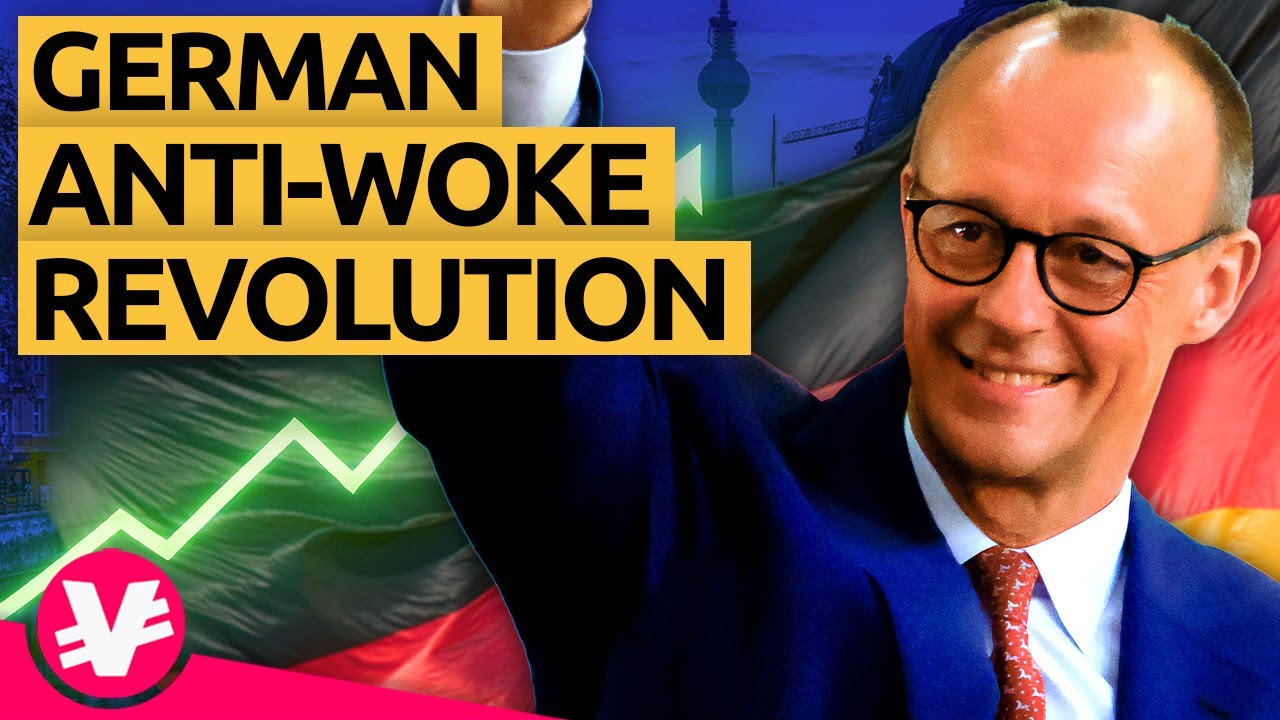
During the February 2025 election campaign, conservative leader Friedrich Merz pledged to revive nuclear power and build 50 gas‑fired plants to stabilise the grid. His party’s manifesto proposed an expert review on restarting closed reactors and research into advanced technologies such as small modular reactors. In a surprising political shift, Merz’s government subsequently stopped blocking efforts at the European level to recognise nuclear power as a sustainable investment. At a Franco‑German summit in Toulon, he and French president Emmanuel Macron agreed on the principle of non‑discrimination for nuclear projects in EU financing.

However, the internal debate is far from settled. Katherina Reiche, Germany’s economy and energy minister, ruled out a return to conventional nuclear plants, saying that the phase‑out is complete and that companies lack the confidence to invest. She argued that the opportunity to extend the last three reactors during the crisis had been missed and emphasised the government’s focus on developing a domestic fusion reactor and potentially small modular reactors. Reiche also insisted on a “reality check” for renewable expansion and called for up to 20 gigawatts of new gas‑fired backup capacity. Her position reflects caution within the coalition, and some experts note that restarting closed reactors may face legal and economic hurdles.

Industrial relief and future challenges
High energy costs continue to burden German industry. In November 2025 the ruling coalition agreed to introduce a subsidised power price of five euro cents per kilowatt‑hour for energy‑intensive companies until 2028, pending EU approval. The plan aims to ease the competitive disadvantage faced by manufacturers and includes tendering eight gigawatts of new gas‑fired capacity. Critics argue that subsidies are a stop‑gap and that longer‑term competitiveness requires affordable, low‑carbon baseload power and streamlined permitting for renewable projects.

The Iberian blackout served as a warning that Europe’s future grid must be flexible and resilient. Analysts emphasise the need for more interconnectors, battery storage and demand‑side management to accommodate variable renewables. Germany’s grid reliability remains among the best in Europe, yet the country’s growing dependence on imports and fossil fuels raises concerns about security and climate targets. The energy crisis has revived nuclear energy as a serious option across Europe, forcing policymakers to balance decarbonisation with security of supply. Whether Germany fully embraces nuclear again remains uncertain, but the debate underscores a broader realisation: the energy transition requires a diversified mix of technologies, robust infrastructure and pragmatic policies rather than dogma.

Featured


Marhabaan, welcome to the UAE and Dubai!

Marhabaan, welcome to the UAE and Dubai! The "skyward striving" Dubai next to ancient desert cities. Mysterious Bedouins and magnificent mosques exist peacefully alongside futuristic cities. Discover wadis and oases, golden sandy deserts, paradisiacal beaches and Arabian hospitality. The modern and the ancient Orient united in a book for dreaming.On this journey to Dubai and Abu Dhabi in the United Arab Emirates, the fairy tales of 1001 Arabian Nights meet the modern Arab world. These cascading cities enchant with their sky-high skyscrapers, fragrant souks, huge shopping centres and the ancient cultural heritage of the sheikhs.You can choose to stay in 4- or 5-star hotels with breakfast and swimming pools. You also have more options to book excursions so you can feel the magic of the East even more. If you want to do something out of the ordinary, you can spend an extra night in an enchanting hotel in the middle of the emirate's desert. Experience your own fairytale from 1001 nights and look forward to a holiday with plenty of casual extravagance in two superlative desert cities!

Trade and business at the Dubai Gold Souk

If Naif Deira is associated with a specific context, organization, or field, providing more details could help me offer more relevant information. Keep in mind that privacy considerations and ethical guidelines limit the amount of information available about private individuals, especially those who are not public figures. The Dubai Gold Souk is one of the most famous gold markets in the world and is located in the heart of Dubai's commercial business district in Deira. It's a traditional market where you can find a wide variety of gold, silver, and precious stone jewelry. The Gold Souk is known for its extensive selection of jewelry, including rings, bracelets, necklaces, and earrings, often crafted with intricate designs.Variety: The Gold Souk offers a vast array of jewelry designs, with a focus on gold. You can find items ranging from traditional to modern styles.Competitive Pricing: The market is known for its competitive pricing, and bargaining is a common practice. Prices are typically based on the weight of the gold and the craftsmanship involved.Gold and More: While gold is the primary focus, the souk also offers other precious metals such as silver and platinum, as well as a selection of gemstones.Cultural Experience: Visiting the Gold Souk provides not only a shopping experience but also a glimpse into the traditional trading culture of Dubai. The vibrant market is a popular destination for both tourists and locals.Security: The market is generally safe, and there are numerous shops with security measures in place. However, as with any crowded area, it's advisable to take standard precautions regarding personal belongings.Gold Souk is just one part of the larger Deira Souk complex, which also includes the Spice Souk and the Textile Souk. It's a must-visit for those interested in jewelry, and it reflects the rich cultural and trading history of Dubai.

Dubai: Amazing City Center, Night Walking Tour

During this excursion, we leisurely explore Dubai Downtown and Burj Khalifa in the evening, giving you the chance to witness the captivating transformation of the district as it comes alive with the vibrant glow of thousands of lights. As the sun sets, the illuminated facade of Burj Khalifa and the enchanting Dubai Fountain collaborate to produce a genuinely magical atmosphere.Dubai Downtown, also known as Downtown Dubai, is a distinguished and iconic district situated in the heart of Dubai, United Arab Emirates. It is a renowned neighborhood celebrated for its striking architecture, luxurious living, and exceptional entertainment options. At the core of Downtown Dubai stands the Burj Khalifa, a towering skyscraper that holds the title of the world's tallest man-made structure and serves as an emblem of modern Dubai.Burj Khalifa: The focal point of Downtown Dubai, Burj Khalifa, is famous for its groundbreaking height, reaching an impressive 828 meters (2,722 feet). Designed by architect Adrian Smith, its distinctive Y-shaped design encompasses a mix of residential, commercial, and hotel spaces.Dubai Mall: Adjacent to Burj Khalifa is the Dubai Mall, one of the largest shopping malls globally, featuring an extensive array of retail outlets, from high-end boutiques to international brands. The mall also provides various dining options, and entertainment attractions like an indoor ice rink and an aquarium, and hosts the mesmerizing Dubai Fountain.Dubai Fountain: Located just outside the Dubai Mall, the Dubai Fountain is a captivating attraction that presents a nightly spectacle of water, music, and light, captivating visitors with its perfectly synchronized performances.Emaar Boulevard: Stretching through Downtown Dubai, this boulevard is adorned with restaurants, cafes, and shops, making it a popular spot for leisurely strolls, dining, and people-watching.Luxury Living: Downtown Dubai boasts numerous upscale residential buildings and hotels, making it an appealing locale for those seeking a sophisticated urban lifestyle.Cultural Attractions: The Dubai Opera, an iconic cultural venue within the district, hosts a diverse range of performances, including opera, ballet, concerts, and theater productions.Transportation: Downtown Dubai is well-connected through public transportation, including the Dubai Metro, facilitating easy access to other parts of the city.In summary, Downtown Dubai is a dynamic and vibrant district that stands as a testament to Dubai's modernity and grandeur. It seamlessly combines architectural wonders with shopping, entertainment, and cultural offerings, creating a truly extraordinary destination.