The Prague Post - COSTCO profits from Fees

EUR -
AED 4.121569
AFN 72.38042
ALL 90.956239
AMD 404.895503
ANG 2.008636
AOA 1029.12868
ARS 1716.243843
AUD 1.596114
AWG 2.022906
AZN 1.910288
BAM 1.959165
BBD 2.25878
BDT 138.698247
BGN 1.961552
BHD 0.423227
BIF 3361.674463
BMD 1.122278
BND 1.433462
BOB 13.205684
BRL 5.572336
BSD 1.121526
BTN 106.412789
BWP 15.449538
BYN 3.292956
BYR 21996.644389
BZD 2.255474
CAD 1.576121
CDF 2599.195443
CHF 0.925229
CLF 0.028295
CLP 1107.081672
CNY 7.494627
CNH 7.484925
COP 3559.213783
CRC 511.7791
CUC 1.122278
CUP 26.915233
CVE 110.454732
CZK 24.312465
DJF 199.703037
DKK 7.474785
DOP 68.78816
DZD 150.761969
EGP 61.709802
ERN 16.834167
ETB 182.413037
FJD 2.510756
FKP 0.839248
GBP 0.839312
GEL 2.906473
GGP 0.839248
GHS 13.003336
GIP 0.839248
GMD 83.0488
GNF 9925.048596
GTQ 8.572726
GYD 234.883467
HKD 8.801548
HNL 30.108719
HRK 7.550906
HTG 146.982477
HUF 366.16332
IDR 20306.325719
ILS 3.48529
IMP 0.839248
INR 106.555218
IQD 1700.120355
IRR 2056433.737693
ISK 136.671324
JEP 0.839248
JMD 177.985732
JOD 0.795667
JPY 176.154966
KES 145.620137
KGS 98.141624
KHR 4581.870436
KMF 493.248844
KPW 1010.049954
KRW 1485.62604
KWD 0.348681
KYD 0.934605
KZT 509.194661
LAK 25236.349342
LBP 100428.208974
LKR 372.389666
LRD 191.208445
LSL 18.580516
LTL 3.313794
LVL 0.678855
LYD 7.182337
MAD 11.015722
MDL 20.242772
MGA 5071.711853
MKD 61.711003
MMK 2356.902556
MNT 4039.257507
MOP 9.060363
MRU 44.819989
MUR 52.926854
MVR 17.350098
MWK 1944.640375
MXN 20.978724
MYR 4.584847
MZN 71.712284
NAD 18.580516
NGN 1494.941588
NIO 41.270892
NOK 10.440533
NPR 170.260462
NZD 1.9696
OMR 0.431514
PAB 1.121426
PEN 3.851516
PGK 5.022628
PHP 71.397096
PKR 310.340583
PLN 4.398959
PYG 6486.141467
QAR 4.088022
RON 5.364264
RSD 117.702181
RUB 90.001526
RWF 1656.946193
SAR 4.212188
SBD 9.061921
SCR 15.753426
SDG 675.051828
SEK 11.121795
SGD 1.433429
SHP 0.838679
SLE 25.756323
SLL 23533.608738
SOS 640.900897
SRD 42.253198
STD 23228.884072
STN 24.542157
SVC 9.812856
SYP 14591.855276
SZL 18.579915
THB 37.899566
TJS 10.334452
TMT 3.939195
TND 3.348852
TOP 2.702175
TRY 55.812563
TTD 7.620089
TWD 36.570317
TZS 2969.100125
UAH 50.771612
UGX 4940.486443
USD 1.122278
UYU 44.977259
UZS 13421.053804
VES 987.36753
VND 29002.4634
VUV 133.127953
WST 3.106231
XAF 655.957
XAG 0.02082
XAU 0.000280868217
XCD 3.033012
XCG 2.021172
XDR 0.793509
XOF 655.957
XPF 119.331742
YER 264.965606
ZAR 18.628085
ZMK 10101.84443
ZMW 22.547731
ZWL 361.372986
SSP 6447.822226
MXV 2.367724
  • AZN

    -1.0800

    171.49

    -0.63%

  • GSK

    -0.4600

    50.75

    -0.91%

  • VOD

    -0.3800

    15.74

    -2.41%

  • RIO

    -0.7200

    83.42

    -0.86%

  • BTI

    -0.9900

    59.48

    -1.66%

  • CMSC

    0.0000

    19.6

    0%

  • NGG

    -0.7800

    81.86

    -0.95%

  • RYCEF

    -1.7500

    15.26

    -11.47%

  • RBGPF

    2.6200

    72.77

    +3.6%

  • BCC

    -0.5500

    77.74

    -0.71%

  • BCE

    -0.4100

    20.4

    -2.01%

  • BP

    1.2700

    51.32

    +2.47%

  • CMSD

    0.1800

    19.78

    +0.91%

  • RELX

    -0.0800

    40.54

    -0.2%

  • JRI

    0.0700

    10.75

    +0.65%


COSTCO profits from Fees


Costco’s cavernous warehouses and legendary bargain bins hide an unusual business secret: the company makes surprisingly little money from the products rolling through its tills. Instead, the bulk of its earnings come from selling the right to shop there. Shoppers pay annual fees – US$65 for a basic membership or US$130 for an executive tier – and those dues power almost the entire enterprise. Costco’s chief executive has even remarked that the most important item the retailer sells isn’t a giant jar of mayonnaise but the membership card itself.

A Subscription Model in Disguise
While rival supermarkets mark up goods by 25 % to 50 %, Costco keeps its average merchandise markup at around 11 %, essentially passing most of the savings to customers. After wages and utilities are accounted for, the retailer retains only a fraction of its sales as profit. In its 2025 fiscal year the company generated roughly US$270 billion in net sales but just over US$5 billion in operating income before taxes. What makes the model work are those membership dues. More than 80 million paid memberships produced about US$5.3 billion in revenue in the year ending August 2025, a figure that was almost pure profit. Renewal rates remain extraordinarily high – above 92 % in the United States and nearly 90 % globally. In essence, the fee income covers Costco’s overhead, allowing it to sell goods at razor‑thin margins and still generate solid earnings.

Winning Loyalty Through Value
The club’s low prices and quality goods have cultivated a near‑cult following. Perks such as the US$1.50 hot dog and soda combo or the US$5 rotisserie chicken often cost the company money, yet they draw in shoppers who fill their carts with other items. Costco’s private‑label Kirkland Signature line also delivers savings of 15–20 % compared with national brands. Employees earn comparatively high wages and enjoy generous benefits, fostering a customer‑friendly culture. The result is a virtuous cycle: low prices attract members, high renewal rates give Costco scale, and scale enables even lower prices.

Adjusting the Membership Formula
As inflation and supply-chain challenges have pushed costs higher, Costco has nudged up its dues for the first time in years. Since September 2024 the basic fee has risen by about US$5 and the executive tier by US$10. Even so, members continue to renew at elevated rates. Management views the current dip in global renewal rates – down to around 89.8 % because of a surge in younger, digitally acquired members – as temporary. Fee income rose 14 % year on year in the fourth quarter of 2024 to US$1.72 billion, underscoring the resilience of the subscription model.

Costco has also tightened enforcement of its club rules. To prevent freeloading, store entrances now require members to scan their cards or smartphone QR codes. The company even stopped selling the famous food‑court hot dog combo to non‑members. In September 2025 a new, controversial policy granted executive members exclusive early shopping hours on weekdays and weekends. Although fewer than half of cardholders belong to this tier, they accounted for more than 74 % of net sales in the fourth quarter. The perk has added roughly 1 % to weekly U.S. sales and encouraged some members to upgrade.

Expansion and E‑Commerce
The warehouse chain isn’t standing still. Costco operated 914 warehouses worldwide at the end of August 2025 and plans to grow to around 944 by the end of fiscal 2026. Digital sales rose more than 13 % year on year, with online apparel and electronics leading the way. Though e‑commerce margins are slimmer and tariffs remain a concern, management believes its membership base and private‑label strategy provide a buffer against volatility. The Kirkland brand, which now generates more revenue than some famous apparel labels, continues to strengthen loyalty.

Risks and Outlook
Relying on recurring fees does carry risks. A prolonged economic slowdown could dampen renewals and spending, and younger customers acquired through promotions or online sign‑ups may prove less loyal. Expansion comes with costs that squeezed operating margins to around 2.9 % in mid‑2025. Nevertheless, the company’s net income climbed to US$8.1 billion in fiscal 2025. Executives argue that as long as Costco maintains its value proposition and treats employees well, members will keep paying for the privilege to shop. In the words of the company’s leader, culture is a business strategy, and the warehouse club will continue to prioritise the membership card over the shopping cart.


Featured


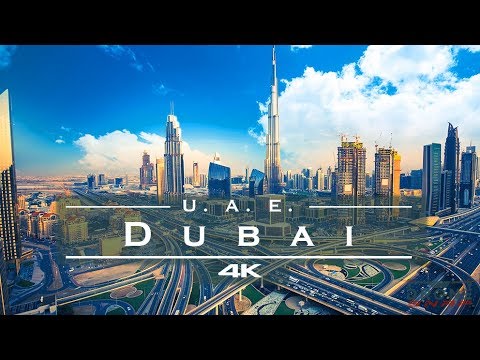
Marhabaan, welcome to the UAE and Dubai!

Marhabaan, welcome to the UAE and Dubai! The "skyward striving" Dubai next to ancient desert cities. Mysterious Bedouins and magnificent mosques exist peacefully alongside futuristic cities. Discover wadis and oases, golden sandy deserts, paradisiacal beaches and Arabian hospitality. The modern and the ancient Orient united in a book for dreaming.On this journey to Dubai and Abu Dhabi in the United Arab Emirates, the fairy tales of 1001 Arabian Nights meet the modern Arab world. These cascading cities enchant with their sky-high skyscrapers, fragrant souks, huge shopping centres and the ancient cultural heritage of the sheikhs.You can choose to stay in 4- or 5-star hotels with breakfast and swimming pools. You also have more options to book excursions so you can feel the magic of the East even more. If you want to do something out of the ordinary, you can spend an extra night in an enchanting hotel in the middle of the emirate's desert. Experience your own fairytale from 1001 nights and look forward to a holiday with plenty of casual extravagance in two superlative desert cities!

Trade and business at the Dubai Gold Souk

If Naif Deira is associated with a specific context, organization, or field, providing more details could help me offer more relevant information. Keep in mind that privacy considerations and ethical guidelines limit the amount of information available about private individuals, especially those who are not public figures. The Dubai Gold Souk is one of the most famous gold markets in the world and is located in the heart of Dubai's commercial business district in Deira. It's a traditional market where you can find a wide variety of gold, silver, and precious stone jewelry. The Gold Souk is known for its extensive selection of jewelry, including rings, bracelets, necklaces, and earrings, often crafted with intricate designs.Variety: The Gold Souk offers a vast array of jewelry designs, with a focus on gold. You can find items ranging from traditional to modern styles.Competitive Pricing: The market is known for its competitive pricing, and bargaining is a common practice. Prices are typically based on the weight of the gold and the craftsmanship involved.Gold and More: While gold is the primary focus, the souk also offers other precious metals such as silver and platinum, as well as a selection of gemstones.Cultural Experience: Visiting the Gold Souk provides not only a shopping experience but also a glimpse into the traditional trading culture of Dubai. The vibrant market is a popular destination for both tourists and locals.Security: The market is generally safe, and there are numerous shops with security measures in place. However, as with any crowded area, it's advisable to take standard precautions regarding personal belongings.Gold Souk is just one part of the larger Deira Souk complex, which also includes the Spice Souk and the Textile Souk. It's a must-visit for those interested in jewelry, and it reflects the rich cultural and trading history of Dubai.

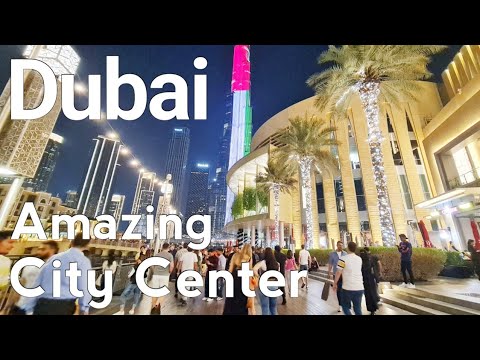
Dubai: Amazing City Center, Night Walking Tour

During this excursion, we leisurely explore Dubai Downtown and Burj Khalifa in the evening, giving you the chance to witness the captivating transformation of the district as it comes alive with the vibrant glow of thousands of lights. As the sun sets, the illuminated facade of Burj Khalifa and the enchanting Dubai Fountain collaborate to produce a genuinely magical atmosphere.Dubai Downtown, also known as Downtown Dubai, is a distinguished and iconic district situated in the heart of Dubai, United Arab Emirates. It is a renowned neighborhood celebrated for its striking architecture, luxurious living, and exceptional entertainment options. At the core of Downtown Dubai stands the Burj Khalifa, a towering skyscraper that holds the title of the world's tallest man-made structure and serves as an emblem of modern Dubai.Burj Khalifa: The focal point of Downtown Dubai, Burj Khalifa, is famous for its groundbreaking height, reaching an impressive 828 meters (2,722 feet). Designed by architect Adrian Smith, its distinctive Y-shaped design encompasses a mix of residential, commercial, and hotel spaces.Dubai Mall: Adjacent to Burj Khalifa is the Dubai Mall, one of the largest shopping malls globally, featuring an extensive array of retail outlets, from high-end boutiques to international brands. The mall also provides various dining options, and entertainment attractions like an indoor ice rink and an aquarium, and hosts the mesmerizing Dubai Fountain.Dubai Fountain: Located just outside the Dubai Mall, the Dubai Fountain is a captivating attraction that presents a nightly spectacle of water, music, and light, captivating visitors with its perfectly synchronized performances.Emaar Boulevard: Stretching through Downtown Dubai, this boulevard is adorned with restaurants, cafes, and shops, making it a popular spot for leisurely strolls, dining, and people-watching.Luxury Living: Downtown Dubai boasts numerous upscale residential buildings and hotels, making it an appealing locale for those seeking a sophisticated urban lifestyle.Cultural Attractions: The Dubai Opera, an iconic cultural venue within the district, hosts a diverse range of performances, including opera, ballet, concerts, and theater productions.Transportation: Downtown Dubai is well-connected through public transportation, including the Dubai Metro, facilitating easy access to other parts of the city.In summary, Downtown Dubai is a dynamic and vibrant district that stands as a testament to Dubai's modernity and grandeur. It seamlessly combines architectural wonders with shopping, entertainment, and cultural offerings, creating a truly extraordinary destination.