The Prague Post - Iran's collapse fuels Revolt

EUR -
AED 4.254419
AFN 72.973309
ALL 96.164402
AMD 437.01703
ANG 2.073057
AOA 1062.166225
ARS 1639.84365
AUD 1.645941
AWG 2.087847
AZN 1.972554
BAM 1.959558
BBD 2.333074
BDT 141.671666
BGN 1.908478
BHD 0.43728
BIF 3260.631774
BMD 1.158306
BND 1.483344
BOB 8.032988
BRL 6.082613
BSD 1.158381
BTN 106.855904
BWP 15.74137
BYN 3.385893
BYR 22702.800273
BZD 2.329567
CAD 1.57401
CDF 2501.941462
CHF 0.902897
CLF 0.02686
CLP 1060.579771
CNY 8.005172
CNH 8.006577
COP 4364.335359
CRC 551.43838
CUC 1.158306
CUP 30.695113
CVE 110.56031
CZK 24.428209
DJF 205.854752
DKK 7.471514
DOP 70.084261
DZD 152.526914
EGP 61.143971
ERN 17.374592
ETB 177.889316
FJD 2.560434
FKP 0.863606
GBP 0.864814
GEL 3.156432
GGP 0.863606
GHS 12.492314
GIP 0.863606
GMD 84.556577
GNF 10164.135829
GTQ 8.88473
GYD 242.34681
HKD 9.056275
HNL 30.660794
HRK 7.532811
HTG 151.755762
HUF 394.749619
IDR 19633.289012
ILS 3.59317
IMP 0.863606
INR 106.780942
IQD 1516.801886
IRR 1530006.576149
ISK 145.089878
JEP 0.863606
JMD 181.468763
JOD 0.821232
JPY 183.345381
KES 149.767772
KGS 101.293865
KHR 4650.599162
KMF 492.279602
KPW 1042.475177
KRW 1709.869575
KWD 0.356527
KYD 0.965359
KZT 576.836125
LAK 24712.461343
LBP 103726.315159
LKR 360.774927
LRD 211.969464
LSL 19.170364
LTL 3.420176
LVL 0.700647
LYD 7.395827
MAD 10.898213
MDL 20.074668
MGA 4811.017802
MKD 61.636391
MMK 2432.525278
MNT 4134.102778
MOP 9.325441
MRU 46.46007
MUR 55.517567
MVR 17.895493
MWK 2010.819517
MXN 20.617294
MYR 4.59036
MZN 74.018531
NAD 19.422143
NGN 1617.817216
NIO 42.631749
NOK 11.168827
NPR 170.969847
NZD 1.958076
OMR 0.445366
PAB 1.158421
PEN 4.032933
PGK 4.991615
PHP 68.680593
PKR 325.676108
PLN 4.278378
PYG 7454.358631
QAR 4.224537
RON 5.097475
RSD 117.432597
RUB 90.635529
RWF 1693.56215
SAR 4.348474
SBD 9.318784
SCR 16.064567
SDG 696.718077
SEK 10.659156
SGD 1.480437
SHP 0.86903
SLE 28.40744
SLL 24289.099775
SOS 660.867261
SRD 43.629923
STD 23974.598412
STN 24.546222
SVC 10.135523
SYP 128.085396
SZL 19.16414
THB 37.042269
TJS 11.102703
TMT 4.054071
TND 3.382317
TOP 2.788924
TRY 51.039306
TTD 7.860072
TWD 36.920197
TZS 2988.429491
UAH 50.90816
UGX 4361.363232
USD 1.158306
UYU 46.339259
UZS 14122.202273
VES 501.112123
VND 30437.389499
VUV 138.272414
WST 3.174325
XAF 657.217262
XAG 0.01376
XAU 0.000227
XCD 3.13038
XCG 2.087703
XDR 0.820953
XOF 657.222947
XPF 119.331742
YER 276.365705
ZAR 19.169857
ZMK 10426.144868
ZMW 22.386929
ZWL 372.974103
  • RBGPF

    0.1000

    82.5

    +0.12%

  • CMSC

    -0.0500

    23.135

    -0.22%

  • GSK

    0.1650

    54.675

    +0.3%

  • RELX

    -0.1810

    35.499

    -0.51%

  • BCE

    -0.1850

    25.875

    -0.71%

  • BCC

    -2.3800

    72.97

    -3.26%

  • AZN

    -1.7000

    192.52

    -0.88%

  • NGG

    -0.5560

    89.304

    -0.62%

  • JRI

    -0.0900

    12.48

    -0.72%

  • RYCEF

    -0.3700

    16.63

    -2.22%

  • RIO

    -1.3500

    88.86

    -1.52%

  • CMSD

    -0.1100

    23.09

    -0.48%

  • BTI

    -0.0250

    57.845

    -0.04%

  • VOD

    -0.2350

    14.275

    -1.65%

  • BP

    0.4700

    40.91

    +1.15%


Iran's collapse fuels Revolt


Over the past year the Iranian economy has slid into its most severe crisis since the 1979 revolution. The national currency, the rial, has lost nearly half of its value against the United States dollar in the space of a year, with exchange rates in the open market climbing from around 817,000 rials per dollar at the start of 2025 to well over 1.4 million by the end of December. In parallel, inflation has remained above 40 per cent for several consecutive years, and the cost of staple foods has skyrocketed – bread and grains have almost doubled in price and fruit has climbed by more than 70 per cent in the past twelve months. Years of international sanctions, particularly on oil exports, have eroded government revenues and restricted access to hard currency. A multi‑tier exchange system has allowed importers linked to the political elite to buy dollars at preferential rates, reinforcing perceptions of deep economic injustice. 

These structural weaknesses have been exacerbated by external shocks. A twelve‑day war with Israel in mid‑2025 damaged infrastructure across several cities and caused further economic disruption. In September 2025 the United Nations re‑imposed sanctions linked to Iran’s nuclear programme, and a new tier in the national fuel subsidy system introduced in December raised petrol prices for many households. The cumulative effect has been a sharp decline in purchasing power for ordinary Iranians and a contraction in gross domestic product that is forecast to continue through 2026. 

Protests ignite across the country
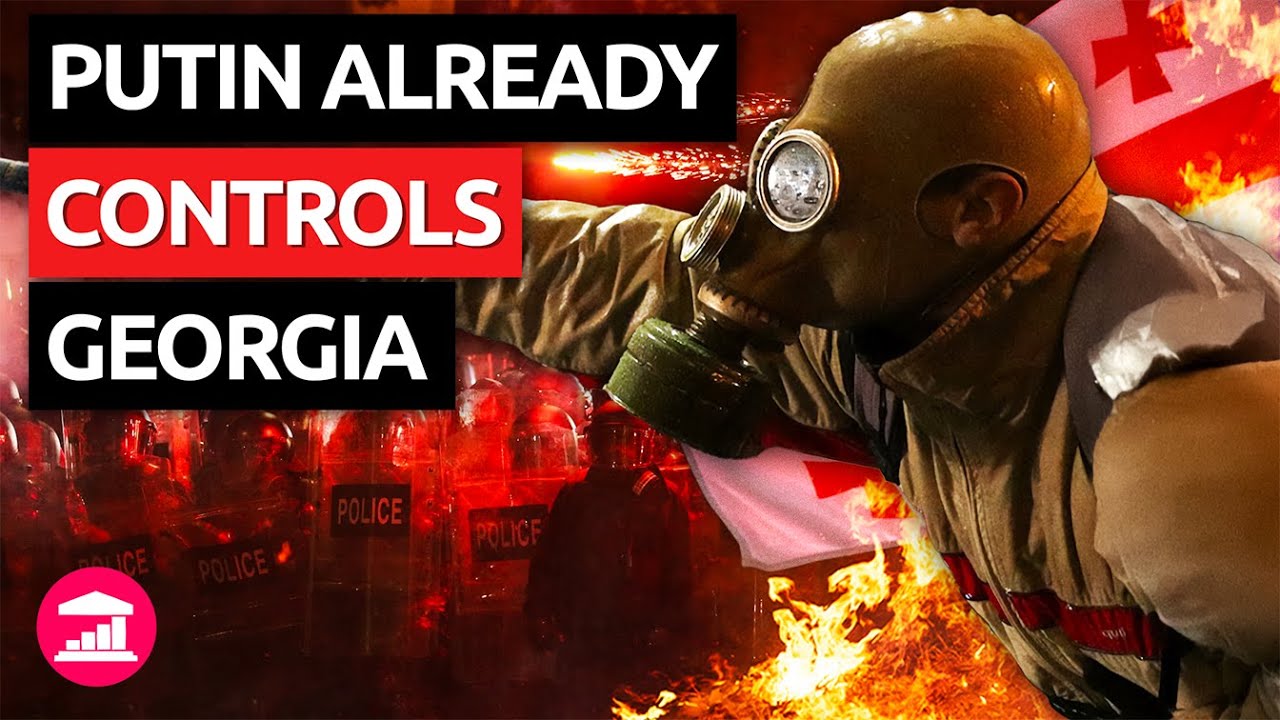
The acute deterioration in living standards reached a tipping point on 28 December 2025. Merchants and shopkeepers in Tehran’s Grand Bazaar closed their premises in protest at soaring prices and the collapsing currency. Their grievances quickly resonated with a wider cross‑section of society. Within days, demonstrations had spread to the provinces and to university campuses. Students, workers, oil sector employees and lorry drivers joined the strikes, turning an economic protest into a nationwide movement challenging the legitimacy of the Islamic Republic. 

Protesters chanted slogans that harked back to Iran’s monarchical past and openly called for the resignation of key figures in the Islamic government. They denounced corruption and the dominance of the Revolutionary Guard Corps in sectors ranging from oil to construction. Anxiety about price volatility – the inability of merchants to set stable prices for imported goods – was as potent a driver as the level of inflation itself. The convergence of bazaaris, students and industrial workers signalled a new and dangerous alliance for the regime, recalling historical moments when alliances between merchants and clerics had toppled previous governments. 

Government response and growing casualties
Faced with the largest challenge to its authority in years, the government of President Masoud Pezeshkian acknowledged that the crisis was self‑inflicted and promised to listen to “legitimate demands”. The central bank governor was dismissed and a monthly food coupon system was introduced to cushion the poorest households, while officials talked of institutional reforms and new subsidies to support essential goods. At the same time, security forces moved swiftly to suppress the unrest. Police and Revolutionary Guard units deployed tear gas, batons and, in some cases, live ammunition. Internet access was throttled across the country, leaving citizens cut off from one another and from the outside world.

Rights organisations estimate that thousands of protesters and members of the security forces have been killed since late December. Tens of thousands have been arrested. The authorities have not issued official casualty figures but concede that many security personnel have died. Footage circulating on social media shows large crowds chanting in support of the exiled Pahlavi heir, burning portraits of the Supreme Leader and attacking symbols of the state. 

International implications and the path ahead
The turmoil has reverberated far beyond Iran’s borders. Diplomatic missions were briefly shut, and governments in Europe and North America summoned Iranian ambassadors to protest at the crackdown. The United States, which reimposed unilateral sanctions in 2018 and was involved in recent military strikes against Iran’s nuclear facilities, has warned that further violence against demonstrators could trigger intervention. Calls for the Iranian government to respect fundamental freedoms have come from allied governments and international organisations. 

Internally, the protests reveal deep structural tensions within the Islamic Republic. The concentration of economic power in the Revolutionary Guard Corps has deprived elected officials of the means to manage the economy, while corruption and opaque networks of patronage have alienated the bazaar merchants who once underpinned the system. A prolonged drought, air pollution and energy shortages have further undermined the regime’s legitimacy. 

Whether this wave of unrest will bring about immediate political change remains uncertain. Iran has witnessed large‑scale protests in 2009, 2017, 2019 and 2022, all of which were eventually suppressed. The current movement is remarkable for its geographic reach – demonstrations have been reported in all 31 provinces – and for the diversity of participants. However, opposition factions remain fragmented, and there is as yet no universally recognised figurehead capable of unifying the disparate groups. The security apparatus remains loyal to the Supreme Leader, and there are few signs of internal splits that could precipitate a rapid collapse of the regime.

Nevertheless, the economic crisis shows no sign of abating. With oil revenues constrained, inflation entrenched and the currency in freefall, the government’s tools for stabilisation are limited. Many Iranians believe that nothing short of a fundamental transformation of the political system will end decades of hardship. The protests of late 2025 and early 2026 may therefore mark the beginning of a new chapter in Iran’s modern history – a turning point where economic desperation accelerates the decline of a revolutionary regime that has dominated the country for almost half a century.
Featured


Marhabaan, welcome to the UAE and Dubai!

Marhabaan, welcome to the UAE and Dubai! The "skyward striving" Dubai next to ancient desert cities. Mysterious Bedouins and magnificent mosques exist peacefully alongside futuristic cities. Discover wadis and oases, golden sandy deserts, paradisiacal beaches and Arabian hospitality. The modern and the ancient Orient united in a book for dreaming.On this journey to Dubai and Abu Dhabi in the United Arab Emirates, the fairy tales of 1001 Arabian Nights meet the modern Arab world. These cascading cities enchant with their sky-high skyscrapers, fragrant souks, huge shopping centres and the ancient cultural heritage of the sheikhs.You can choose to stay in 4- or 5-star hotels with breakfast and swimming pools. You also have more options to book excursions so you can feel the magic of the East even more. If you want to do something out of the ordinary, you can spend an extra night in an enchanting hotel in the middle of the emirate's desert. Experience your own fairytale from 1001 nights and look forward to a holiday with plenty of casual extravagance in two superlative desert cities!

Trade and business at the Dubai Gold Souk

If Naif Deira is associated with a specific context, organization, or field, providing more details could help me offer more relevant information. Keep in mind that privacy considerations and ethical guidelines limit the amount of information available about private individuals, especially those who are not public figures. The Dubai Gold Souk is one of the most famous gold markets in the world and is located in the heart of Dubai's commercial business district in Deira. It's a traditional market where you can find a wide variety of gold, silver, and precious stone jewelry. The Gold Souk is known for its extensive selection of jewelry, including rings, bracelets, necklaces, and earrings, often crafted with intricate designs.Variety: The Gold Souk offers a vast array of jewelry designs, with a focus on gold. You can find items ranging from traditional to modern styles.Competitive Pricing: The market is known for its competitive pricing, and bargaining is a common practice. Prices are typically based on the weight of the gold and the craftsmanship involved.Gold and More: While gold is the primary focus, the souk also offers other precious metals such as silver and platinum, as well as a selection of gemstones.Cultural Experience: Visiting the Gold Souk provides not only a shopping experience but also a glimpse into the traditional trading culture of Dubai. The vibrant market is a popular destination for both tourists and locals.Security: The market is generally safe, and there are numerous shops with security measures in place. However, as with any crowded area, it's advisable to take standard precautions regarding personal belongings.Gold Souk is just one part of the larger Deira Souk complex, which also includes the Spice Souk and the Textile Souk. It's a must-visit for those interested in jewelry, and it reflects the rich cultural and trading history of Dubai.

Dubai: Amazing City Center, Night Walking Tour

During this excursion, we leisurely explore Dubai Downtown and Burj Khalifa in the evening, giving you the chance to witness the captivating transformation of the district as it comes alive with the vibrant glow of thousands of lights. As the sun sets, the illuminated facade of Burj Khalifa and the enchanting Dubai Fountain collaborate to produce a genuinely magical atmosphere.Dubai Downtown, also known as Downtown Dubai, is a distinguished and iconic district situated in the heart of Dubai, United Arab Emirates. It is a renowned neighborhood celebrated for its striking architecture, luxurious living, and exceptional entertainment options. At the core of Downtown Dubai stands the Burj Khalifa, a towering skyscraper that holds the title of the world's tallest man-made structure and serves as an emblem of modern Dubai.Burj Khalifa: The focal point of Downtown Dubai, Burj Khalifa, is famous for its groundbreaking height, reaching an impressive 828 meters (2,722 feet). Designed by architect Adrian Smith, its distinctive Y-shaped design encompasses a mix of residential, commercial, and hotel spaces.Dubai Mall: Adjacent to Burj Khalifa is the Dubai Mall, one of the largest shopping malls globally, featuring an extensive array of retail outlets, from high-end boutiques to international brands. The mall also provides various dining options, and entertainment attractions like an indoor ice rink and an aquarium, and hosts the mesmerizing Dubai Fountain.Dubai Fountain: Located just outside the Dubai Mall, the Dubai Fountain is a captivating attraction that presents a nightly spectacle of water, music, and light, captivating visitors with its perfectly synchronized performances.Emaar Boulevard: Stretching through Downtown Dubai, this boulevard is adorned with restaurants, cafes, and shops, making it a popular spot for leisurely strolls, dining, and people-watching.Luxury Living: Downtown Dubai boasts numerous upscale residential buildings and hotels, making it an appealing locale for those seeking a sophisticated urban lifestyle.Cultural Attractions: The Dubai Opera, an iconic cultural venue within the district, hosts a diverse range of performances, including opera, ballet, concerts, and theater productions.Transportation: Downtown Dubai is well-connected through public transportation, including the Dubai Metro, facilitating easy access to other parts of the city.In summary, Downtown Dubai is a dynamic and vibrant district that stands as a testament to Dubai's modernity and grandeur. It seamlessly combines architectural wonders with shopping, entertainment, and cultural offerings, creating a truly extraordinary destination.