The Prague Post - Cuba’s bleak oil crisis

EUR -
AED 4.246253
AFN 73.412301
ALL 96.383428
AMD 432.970609
ANG 2.06934
AOA 1060.262144
ARS 1636.671131
AUD 1.648055
AWG 2.081213
AZN 1.946815
BAM 1.945334
BBD 2.33932
BDT 140.653282
BGN 1.905057
BHD 0.436402
BIF 3446.855486
BMD 1.156229
BND 1.488273
BOB 7.947244
BRL 6.101771
BSD 1.161523
BTN 105.632694
BWP 15.762816
BYN 3.41797
BYR 22662.097436
BZD 2.336005
CAD 1.566274
CDF 2569.722857
CHF 0.900674
CLF 0.027015
CLP 1066.36766
CNY 7.974226
CNH 8.004091
COP 4362.095325
CRC 554.601187
CUC 1.156229
CUP 30.640081
CVE 109.674946
CZK 24.417371
DJF 206.830097
DKK 7.470491
DOP 69.151867
DZD 152.372523
EGP 61.02618
ERN 17.343442
ETB 180.155581
FJD 2.559256
FKP 0.862058
GBP 0.865959
GEL 3.150736
GGP 0.862058
GHS 12.444051
GIP 0.862058
GMD 84.98315
GNF 10184.667415
GTQ 8.823529
GYD 240.615484
HKD 9.03672
HNL 30.742646
HRK 7.534454
HTG 152.373232
HUF 398.075938
IDR 19611.964118
ILS 3.599232
IMP 0.862058
INR 106.678528
IQD 1521.522412
IRR 1527032.248961
ISK 145.103668
JEP 0.862058
JMD 181.898769
JOD 0.819778
JPY 183.205133
KES 149.326829
KGS 101.113018
KHR 4660.899182
KMF 490.241182
KPW 1040.60617
KRW 1720.718026
KWD 0.356095
KYD 0.96794
KZT 573.853122
LAK 24871.630399
LBP 104011.02834
LKR 361.341797
LRD 209.890783
LSL 19.427998
LTL 3.414045
LVL 0.699391
LYD 7.401283
MAD 10.725596
MDL 20.088161
MGA 4836.729426
MKD 61.623919
MMK 2428.164112
MNT 4126.69093
MOP 9.354947
MRU 46.482626
MUR 54.262112
MVR 17.875451
MWK 2014.048286
MXN 20.681499
MYR 4.582152
MZN 73.93
NAD 19.427914
NGN 1617.726717
NIO 42.741651
NOK 11.176709
NPR 170.6918
NZD 1.957271
OMR 0.444569
PAB 1.150112
PEN 3.961388
PGK 5.002452
PHP 68.773679
PKR 324.431942
PLN 4.278278
PYG 7599.172804
QAR 4.194036
RON 5.096773
RSD 117.417397
RUB 90.472962
RWF 1694.125658
SAR 4.34048
SBD 9.302077
SCR 17.218673
SDG 695.47418
SEK 10.692914
SGD 1.479857
SHP 0.867472
SLE 28.356498
SLL 24245.552932
SOS 662.58244
SRD 43.539555
STD 23931.615425
STN 24.610458
SVC 10.162568
SYP 127.855757
SZL 19.43339
THB 37.069297
TJS 11.058008
TMT 4.058365
TND 3.378921
TOP 2.783923
TRY 50.971075
TTD 7.87029
TWD 36.881429
TZS 2983.072234
UAH 50.753615
UGX 4244.166295
USD 1.156229
UYU 45.246572
UZS 14025.542285
VES 491.561711
VND 30382.819662
VUV 138.024512
WST 3.168634
XAF 658.922967
XAG 0.013856
XAU 0.000227
XCD 3.124768
XCG 2.093286
XDR 0.819482
XOF 658.920105
XPF 119.331742
YER 275.760792
ZAR 19.361074
ZMK 10407.458324
ZMW 22.456987
ZWL 372.305415
  • RBGPF

    0.1000

    82.5

    +0.12%

  • CMSC

    -0.1050

    23.185

    -0.45%

  • BCC

    -1.9600

    75.35

    -2.6%

  • GSK

    -0.7600

    54.51

    -1.39%

  • RIO

    -0.6200

    90.21

    -0.69%

  • RELX

    0.5000

    35.68

    +1.4%

  • NGG

    0.1200

    89.86

    +0.13%

  • BCE

    0.0800

    26.06

    +0.31%

  • BTI

    -0.7200

    57.87

    -1.24%

  • RYCEF

    -0.2400

    16.96

    -1.42%

  • JRI

    -0.2300

    12.57

    -1.83%

  • AZN

    -3.3000

    194.22

    -1.7%

  • BP

    1.1400

    40.44

    +2.82%

  • VOD

    -0.1100

    14.51

    -0.76%

  • CMSD

    -0.0100

    23.2

    -0.04%


Cuba’s bleak oil crisis


The arrest of Venezuelan president Nicolás Maduro in early January 2026, and the subsequent pledge by Washington to reroute Venezuela’s oil away from its Caribbean ally, has jolted Havana into a new economic crisis. Cuba’s lifeline to cheap Venezuelan crude has shrivelled; the last tanker from the state oil company PDVSA left Venezuela’s José port in mid‑December and arrived in Havana with its transponder off, carrying about 600,000 barrels. In 2025 Venezuela supplied roughly 26,500 barrels per day, a third of Cuba’s daily needs, while Mexico contributed about 5,000 barrels. After Maduro’s capture, Venezuelan fuel deliveries stopped altogether and U.S. officials declared a virtual blockade on Caracas’ tankers, leaving Cuba with insufficient oil reserves and only modest shipments from Mexico. Energy analyst Jorge Piñón of the University of Texas warned that there is “no light at the end of the tunnel” for Cuba to survive the next few months without Venezuelan oil.

An energy grid in freefall
Cuba’s antiquated, oil‑fired power grid has lurched from crisis to crisis in recent years. A nationwide grid collapse in March 2025 plunged millions into darkness after a transmission line shorted near Havana, forcing a restart of the entire system and leaving both of the island’s main power stations idle. The collapse followed months of rolling blackouts outside the capital that peaked at 20 hours a day, with entire rural areas losing electricity for longer than they had power. Residents resorted to charcoal fires for cooking and scrambled to obtain ice to keep food cold. Cuba’s top electricity official warned that repairs would be slow, while shortages of fuel, medicine, water and food made life “unbearable”.

Blackouts have triggered social unrest. In March 2024, crowds in Santiago de Cuba banged pots and demanded “power and food” when the lights went out at a state‑run market. Residents interviewed by reporters spoke of electricity outages exceeding 10 hours a day. Energy minister Vicente de la O’Levy publicly acknowledged that shortages of power “provide the spark for any protest”. In November 2024, the government warned that it would not tolerate “public disorder” as scattered demonstrations erupted following another nationwide blackout caused by Hurricane Rafael; prosecutors announced the preventive detention of protesters on charges of assault and vandalism. The state responded by distributing emergency rations and accelerating repairs, but rolling blackouts continue across the country.

Blackouts and sanctions squeeze the economy
Cuba’s economy was already contracting before the current crisis. The pandemic and the near‑total shutdown of tourism caused a 10.9% drop in GDP in 2020, according to international statistics. Minor growth in 2021 and 2022 (1.3% and 1.8%) gave way to a return to recession in 2023–24. The United Nations forecasts a 1.5% decline for 2025, leaving Cuba and Haiti as the only Latin American economies still shrinking. Official statistics show that 11 of the country’s 15 economic sectors are contracting: sugar output is down 68%, fishing 53% and agriculture 52%, while manufacturing has fallen 41%. Export earnings fell by $900 million in 2024 and imports were 18% below forecast. Cuban economists estimate that the economy shrank about 4% in 2024, on top of a 1.9% contraction in 2023.

Blackouts amplify these losses. Economists inside Cuba say that the power crisis has paralysed industry and curtailed transport. Households lose refrigeration; water pumps and medical facilities falter; and businesses without generators lose productive hours. In many provinces, blackouts of 20 hours a day have become routine. A human‑rights blog citing utility reports noted generation shortfalls of 1,300 to 1,700 megawatts, meaning that nearly half of national demand went unmet during peak periods.

The collapse of Venezuelan oil supplies will aggravate this deficit. Cuba produces less than half of the electricity it needs and already imports most of its fuel. PDVSA shipments under the long‑standing “oil for doctors” programme once kept Cuba’s thermoelectric plants running; without them, generation capacity is set to plunge. No other ally is stepping in: energy researcher Piñón notes that Angola, Algeria, Brazil and even Russia have not offered significant support. Mexico’s occasional cargoes of 85,000 barrels are insufficient to “keep the lights on across the island”.

Political strain and regime anxiety
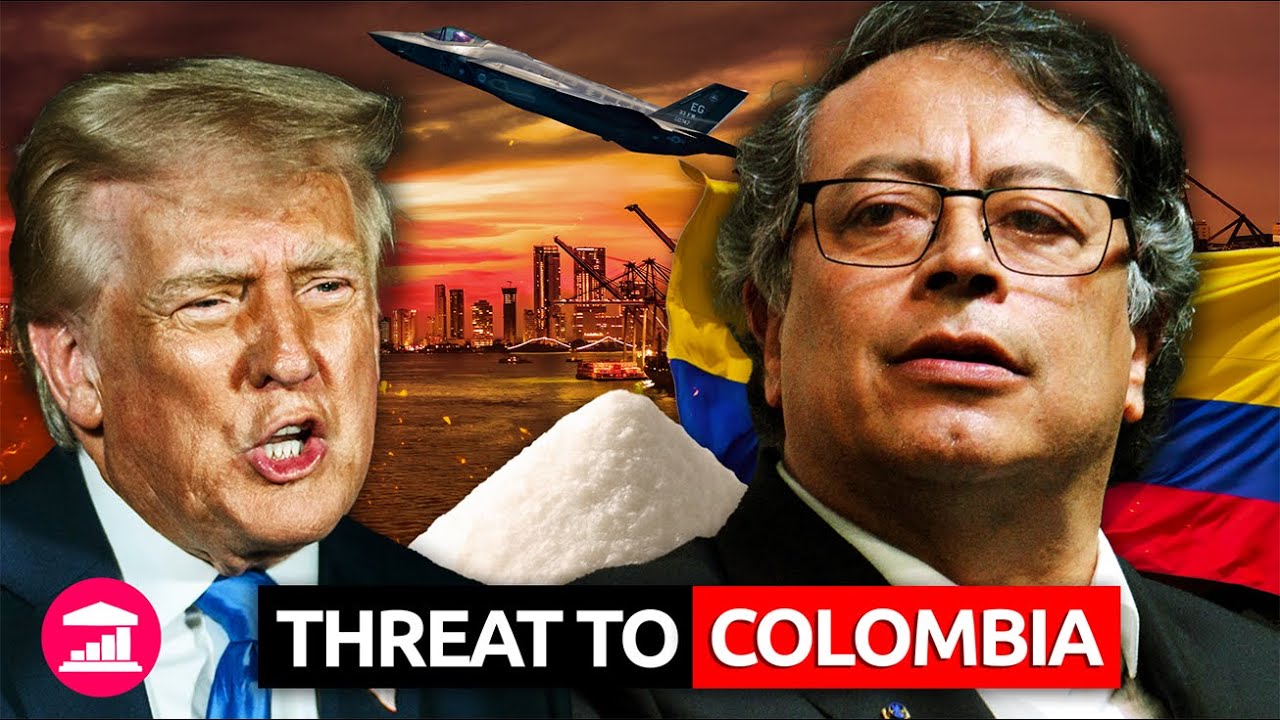
The political ramifications are severe. U.S. President Donald Trump has portrayed the seizure of Maduro as part of a broader crackdown on Latin American regimes. During a January 4 press conference, he said that “Cuba looks like it’s ready to fall”, declaring that the island’s government had no income now that Venezuelan oil was cut off. He threatened further military action against Caracas if the remaining officials did not cooperate, and suggested that Colombia and Mexico could also be targets. Trump’s comments have fuelled speculation about regime change, and have unsettled Cuba’s leadership.

U.S. intelligence reports acknowledge the island’s grim economic state but are ambivalent about whether hardship will topple the government. Confidential assessments described key sectors like agriculture and tourism as “severely strained” by frequent blackouts and trade sanctions. Analysts warned that the loss of oil imports from Venezuela could make governing more difficult. One official said that blackouts outside Havana were lasting an average of 20 hours a day. Yet the assessments concluded that economic suffering does not necessarily translate into regime collapse.

Cuban leaders nevertheless display signs of alarm. President Miguel Díaz‑Canel vowed that “nobody tells us what to do” and pledged to defend the homeland “until the last drop of blood”. The prosecutor’s office warned that it would not tolerate disorder during the blackouts and detained protesters for “assault, public disorder and vandalism”. Energy minister Vicente de la O’Levy admitted that power cuts fuel social tensions. Local officials have rushed to deliver subsidised food to calm restive communities in Santiago and other provinces. Behind the scenes, the government is quietly reassigning fuel supplies, rationing diesel for hospitals and planning emergency imports of floating power plants.

A humanitarian and demographic crisis
The economic implosion is driving an unprecedented exodus. Independent demographers estimate that Cuba’s population has fallen 25% in four years, dropping below nine million as hundreds of thousands migrate annually. A U.S. intelligence official cited by the press suggested that the population is likely under nine million. The loss of younger people erodes the labour force and saps the regime’s support base; an emeritus professor, Richard Feinberg, warns that when people are “really hungry,” they focus on survival rather than politics.

Human development indicators are slipping. The United Nations ranked Cuba 97th in its 2025 human development index, down from 57th in 1990. The energy crisis is battering public health and education. Persistent power cuts of up to 22 hours a day in Santiago de Cuba have undermined hospitals and schools. Diplomats note that Cuba produces less than half of the electricity it needs and argue that “the collapse has already happened”.

Outlook: collapse or endurance?
The fall of Nicolás Maduro removes the central pillar of Cuba’s energy system and intensifies the island’s descent into darkness. Without Venezuelan fuel, Cuba faces longer blackouts, deeper economic contraction and heightened social unrest. Yet history cautions against assuming an imminent regime collapse. The Cuban state retains powerful security services, a one‑party political structure and the ability to ration scarce resources. It has weathered decades of sanctions, the collapse of the Soviet Union and previous “special periods” of hardship.

What is different now is the confluence of crises: an energy grid on the brink, an economy mired in recession, a demographic haemorrhage and the pressure of a hostile U.S. administration. Whether these forces will finally overwhelm the Cuban regime remains uncertain. For ordinary Cubans enduring darkness, ration lines and empty shelves, however, the immediate reality is clear: the fall of Maduro has pushed their country towards its most severe crisis in decades.


Featured


Marhabaan, welcome to the UAE and Dubai!

Marhabaan, welcome to the UAE and Dubai! The "skyward striving" Dubai next to ancient desert cities. Mysterious Bedouins and magnificent mosques exist peacefully alongside futuristic cities. Discover wadis and oases, golden sandy deserts, paradisiacal beaches and Arabian hospitality. The modern and the ancient Orient united in a book for dreaming.On this journey to Dubai and Abu Dhabi in the United Arab Emirates, the fairy tales of 1001 Arabian Nights meet the modern Arab world. These cascading cities enchant with their sky-high skyscrapers, fragrant souks, huge shopping centres and the ancient cultural heritage of the sheikhs.You can choose to stay in 4- or 5-star hotels with breakfast and swimming pools. You also have more options to book excursions so you can feel the magic of the East even more. If you want to do something out of the ordinary, you can spend an extra night in an enchanting hotel in the middle of the emirate's desert. Experience your own fairytale from 1001 nights and look forward to a holiday with plenty of casual extravagance in two superlative desert cities!

Trade and business at the Dubai Gold Souk

If Naif Deira is associated with a specific context, organization, or field, providing more details could help me offer more relevant information. Keep in mind that privacy considerations and ethical guidelines limit the amount of information available about private individuals, especially those who are not public figures. The Dubai Gold Souk is one of the most famous gold markets in the world and is located in the heart of Dubai's commercial business district in Deira. It's a traditional market where you can find a wide variety of gold, silver, and precious stone jewelry. The Gold Souk is known for its extensive selection of jewelry, including rings, bracelets, necklaces, and earrings, often crafted with intricate designs.Variety: The Gold Souk offers a vast array of jewelry designs, with a focus on gold. You can find items ranging from traditional to modern styles.Competitive Pricing: The market is known for its competitive pricing, and bargaining is a common practice. Prices are typically based on the weight of the gold and the craftsmanship involved.Gold and More: While gold is the primary focus, the souk also offers other precious metals such as silver and platinum, as well as a selection of gemstones.Cultural Experience: Visiting the Gold Souk provides not only a shopping experience but also a glimpse into the traditional trading culture of Dubai. The vibrant market is a popular destination for both tourists and locals.Security: The market is generally safe, and there are numerous shops with security measures in place. However, as with any crowded area, it's advisable to take standard precautions regarding personal belongings.Gold Souk is just one part of the larger Deira Souk complex, which also includes the Spice Souk and the Textile Souk. It's a must-visit for those interested in jewelry, and it reflects the rich cultural and trading history of Dubai.

Dubai: Amazing City Center, Night Walking Tour

During this excursion, we leisurely explore Dubai Downtown and Burj Khalifa in the evening, giving you the chance to witness the captivating transformation of the district as it comes alive with the vibrant glow of thousands of lights. As the sun sets, the illuminated facade of Burj Khalifa and the enchanting Dubai Fountain collaborate to produce a genuinely magical atmosphere.Dubai Downtown, also known as Downtown Dubai, is a distinguished and iconic district situated in the heart of Dubai, United Arab Emirates. It is a renowned neighborhood celebrated for its striking architecture, luxurious living, and exceptional entertainment options. At the core of Downtown Dubai stands the Burj Khalifa, a towering skyscraper that holds the title of the world's tallest man-made structure and serves as an emblem of modern Dubai.Burj Khalifa: The focal point of Downtown Dubai, Burj Khalifa, is famous for its groundbreaking height, reaching an impressive 828 meters (2,722 feet). Designed by architect Adrian Smith, its distinctive Y-shaped design encompasses a mix of residential, commercial, and hotel spaces.Dubai Mall: Adjacent to Burj Khalifa is the Dubai Mall, one of the largest shopping malls globally, featuring an extensive array of retail outlets, from high-end boutiques to international brands. The mall also provides various dining options, and entertainment attractions like an indoor ice rink and an aquarium, and hosts the mesmerizing Dubai Fountain.Dubai Fountain: Located just outside the Dubai Mall, the Dubai Fountain is a captivating attraction that presents a nightly spectacle of water, music, and light, captivating visitors with its perfectly synchronized performances.Emaar Boulevard: Stretching through Downtown Dubai, this boulevard is adorned with restaurants, cafes, and shops, making it a popular spot for leisurely strolls, dining, and people-watching.Luxury Living: Downtown Dubai boasts numerous upscale residential buildings and hotels, making it an appealing locale for those seeking a sophisticated urban lifestyle.Cultural Attractions: The Dubai Opera, an iconic cultural venue within the district, hosts a diverse range of performances, including opera, ballet, concerts, and theater productions.Transportation: Downtown Dubai is well-connected through public transportation, including the Dubai Metro, facilitating easy access to other parts of the city.In summary, Downtown Dubai is a dynamic and vibrant district that stands as a testament to Dubai's modernity and grandeur. It seamlessly combines architectural wonders with shopping, entertainment, and cultural offerings, creating a truly extraordinary destination.