The Prague Post - Trump's hesitation in Iran

EUR -
AED 4.337117
AFN 76.762656
ALL 96.690162
AMD 446.927248
ANG 2.114034
AOA 1082.951157
ARS 1706.497244
AUD 1.68244
AWG 2.128702
AZN 2.010433
BAM 1.958639
BBD 2.377497
BDT 144.259118
BGN 1.983289
BHD 0.445186
BIF 3498.629352
BMD 1.180972
BND 1.500475
BOB 8.15679
BRL 6.187232
BSD 1.180436
BTN 106.6506
BWP 16.304635
BYN 3.382103
BYR 23147.04989
BZD 2.374031
CAD 1.611371
CDF 2598.138587
CHF 0.916718
CLF 0.025738
CLP 1016.273935
CNY 8.193815
CNH 8.190282
COP 4306.921972
CRC 586.244855
CUC 1.180972
CUP 31.295756
CVE 110.71603
CZK 24.335932
DJF 209.882176
DKK 7.468644
DOP 74.400996
DZD 153.380222
EGP 55.520676
ERN 17.714579
ETB 183.101047
FJD 2.596718
FKP 0.865051
GBP 0.862514
GEL 3.182672
GGP 0.865051
GHS 12.925722
GIP 0.865051
GMD 86.210869
GNF 10338.228629
GTQ 9.054125
GYD 246.965319
HKD 9.227347
HNL 31.187209
HRK 7.530706
HTG 154.834448
HUF 380.84815
IDR 19800.175432
ILS 3.639773
IMP 0.865051
INR 106.787321
IQD 1546.341572
IRR 49748.442871
ISK 144.999641
JEP 0.865051
JMD 184.988158
JOD 0.83734
JPY 184.110568
KES 152.345521
KGS 103.276207
KHR 4820.140141
KMF 493.646051
KPW 1062.85968
KRW 1713.425195
KWD 0.3627
KYD 0.983726
KZT 591.807883
LAK 25390.698778
LBP 105706.484245
LKR 365.369639
LRD 219.556409
LSL 18.906807
LTL 3.487103
LVL 0.714358
LYD 7.462818
MAD 10.827996
MDL 19.989977
MGA 5231.561506
MKD 61.615362
MMK 2480.182693
MNT 4214.214591
MOP 9.49923
MRU 47.122308
MUR 54.194754
MVR 18.246332
MWK 2046.927884
MXN 20.367101
MYR 4.644173
MZN 75.286955
NAD 18.906807
NGN 1643.747318
NIO 43.442975
NOK 11.372518
NPR 170.641361
NZD 1.956085
OMR 0.454082
PAB 1.180406
PEN 3.97386
PGK 5.057331
PHP 69.713433
PKR 330.134963
PLN 4.224514
PYG 7831.352304
QAR 4.292322
RON 5.094947
RSD 117.380385
RUB 90.936379
RWF 1722.782753
SAR 4.428776
SBD 9.516392
SCR 16.236946
SDG 710.353715
SEK 10.523724
SGD 1.500295
SHP 0.886035
SLE 28.904271
SLL 24764.390087
SOS 673.476269
SRD 45.012156
STD 24443.734644
STN 24.535567
SVC 10.328973
SYP 13061.047544
SZL 18.913657
THB 37.40111
TJS 11.031184
TMT 4.145211
TND 3.413448
TOP 2.843497
TRY 51.367794
TTD 7.995556
TWD 37.305839
TZS 3051.678915
UAH 51.084452
UGX 4208.100049
USD 1.180972
UYU 45.465907
UZS 14450.948049
VES 438.897076
VND 30707.632207
VUV 141.17053
WST 3.219703
XAF 656.909254
XAG 0.013897
XAU 0.000238
XCD 3.191635
XCG 2.127384
XDR 0.816137
XOF 656.909254
XPF 119.331742
YER 281.514175
ZAR 18.859625
ZMK 10630.156708
ZMW 23.165483
ZWL 380.272481
  • SCS

    0.0200

    16.14

    +0.12%

  • CMSD

    -0.1400

    23.94

    -0.58%

  • CMSC

    -0.0900

    23.66

    -0.38%

  • BCE

    0.2700

    26.1

    +1.03%

  • BCC

    3.1800

    84.93

    +3.74%

  • GSK

    0.8700

    53.34

    +1.63%

  • BTI

    0.8800

    61.87

    +1.42%

  • NGG

    1.6200

    86.23

    +1.88%

  • BP

    1.1200

    38.82

    +2.89%

  • RBGPF

    0.1000

    82.5

    +0.12%

  • RIO

    3.8500

    96.37

    +4%

  • AZN

    -4.0900

    184.32

    -2.22%

  • JRI

    -0.0300

    13.12

    -0.23%

  • RYCEF

    0.2800

    16.95

    +1.65%

  • VOD

    0.3400

    15.25

    +2.23%

  • RELX

    -5.0200

    30.51

    -16.45%


Trump's hesitation in Iran


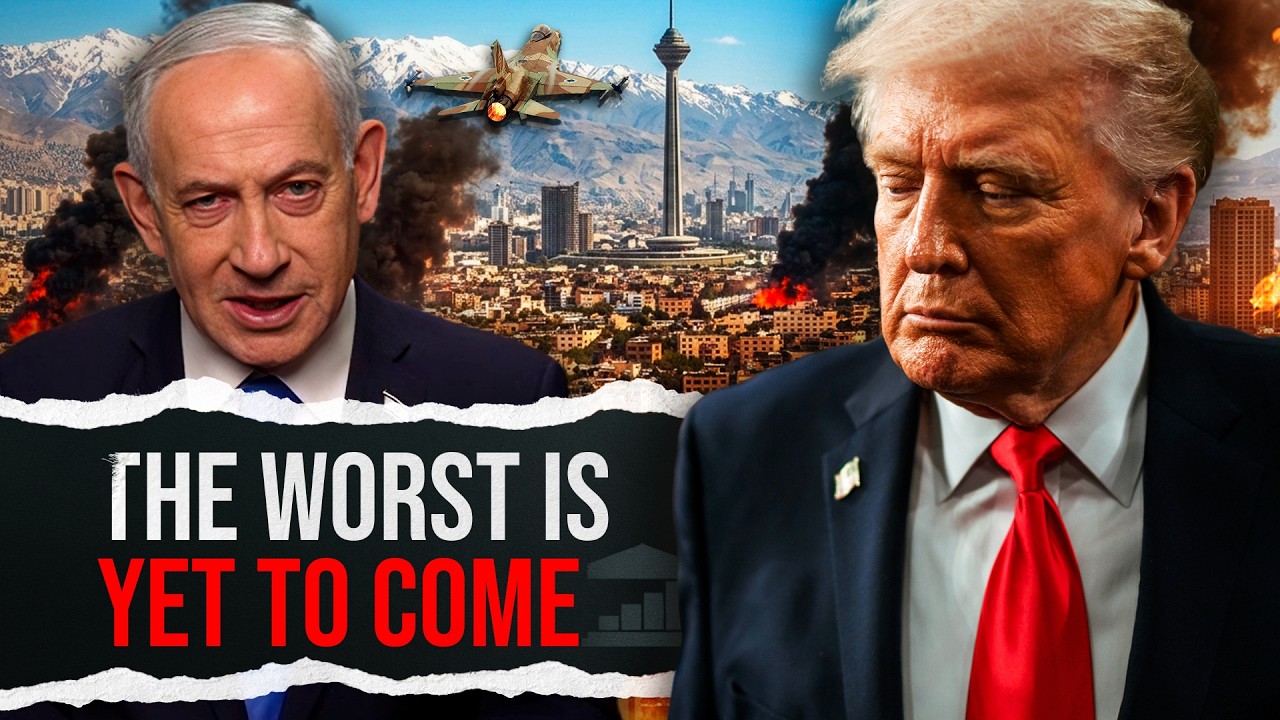
The ongoing mass protests in Iran since the end of December 2025 have plunged the country into one of its most serious crises since the 1979 revolution. Despite a strict internet and telephone blackout, millions of people took to the streets to demonstrate against inflation, corruption and the arbitrariness of the spiritual rulers. Security forces cracked down brutally: according to reports from human rights organisations, thousands of demonstrators were killed, hundreds of bodies piled up in makeshift morgues, and doctors reported overcrowded emergency rooms. In addition, more than ten thousand people were arrested, while the state largely cut off the country from the internet to hide the enormity of its actions. The anger of the population was no longer directed at individual reforms, but at the entire system of the Islamic Republic.

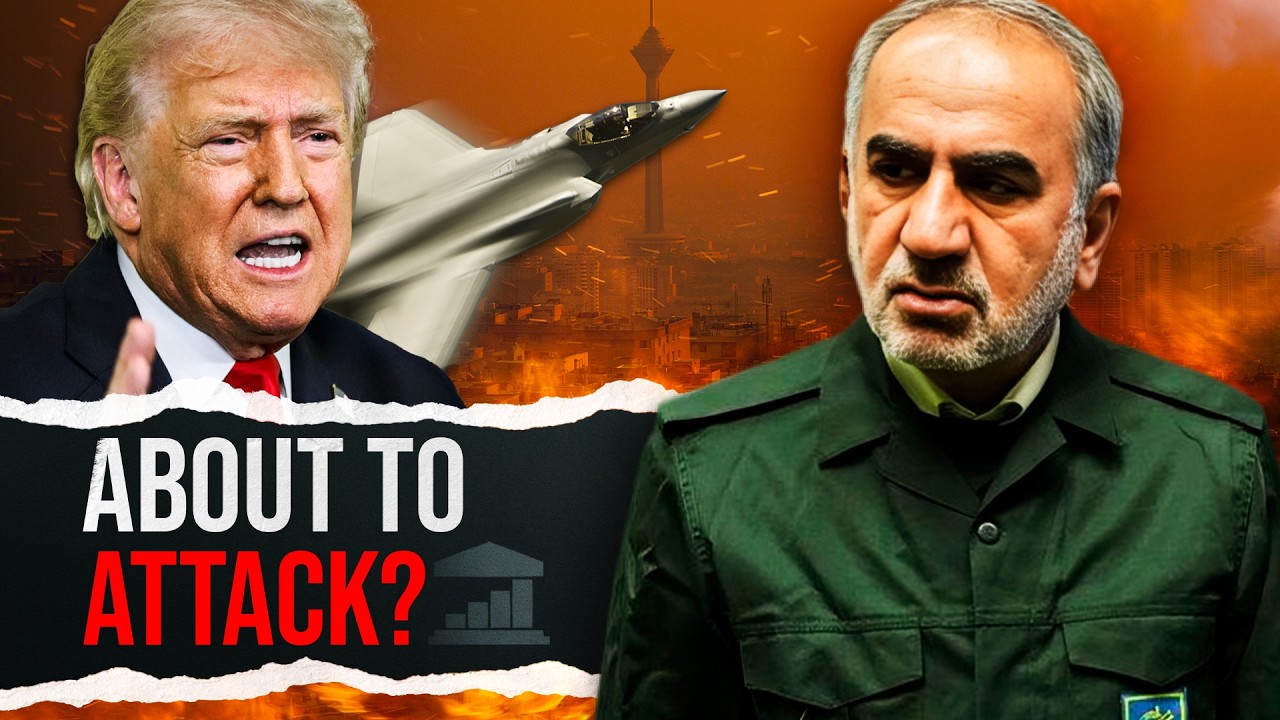
US President Donald Trump, who had already bombed Iranian nuclear facilities in June 2025 and had presented himself as a ‘peacemaker’ during his election campaign, responded to the violence with sharp threats. On social media, he promised help to the demonstrators and threatened the Tehran leadership with consequences if they continued to kill their own people. His words raised high expectations at home and abroad, as many Iranians hoped for international support. At the same time, he raised fears of a renewed escalation in the Middle East.

Reasons for the hesitation
Despite his bellicose tone, Trump has so far shied away from another military strike against Iran. Several factors explain this hesitation:

- Danger of a war spiralling out of control:
The Iranian leadership openly threatened to attack American bases and allies in the Middle East in the event of an attack. If missiles were to strike US bases in Qatar, Saudi Arabia or Kuwait, Washington would have to expect massive retaliation. A limited air strike could quickly escalate into a regional conflagration or a protracted ground operation – scenarios that Trump is wary of due to the risk to American soldiers and the danger of cyber and terrorist attacks on the homeland.

- Economic risks:
A war could block the Persian Gulf and the Strait of Hormuz, through which around a fifth of the world's oil is transported. Experts warn of skyrocketing energy prices and global inflation, which would hit the US economy hard. Trump keeps a close eye on oil prices and has always seen the state of the economy as a measure of his popularity.

- Regional diplomacy:
According to diplomats, neighbouring Arab states such as Saudi Arabia, Qatar, Oman and Egypt urgently asked the US president not to strike. They fear refugee flows, retaliatory attacks and instability. These countries, which host American bases, pointed out that a war against Iran would also jeopardise their security and further destabilise the already unstable region. Trump then signalled that he wanted to give Iran a chance after important channels informed him that the killings had stopped and no executions were planned.

- Domestic political pressure:
Surveys in the US show that the majority of the population rejects new foreign missions. Many of his supporters voted for him because he promised to end ‘endless wars’. A war against Iran could jeopardise his re-election and destroy his image as a supposed peacemaker.

- Lack of strategy:
Experts point out that there is no clear plan for what comes ‘afterwards’. A targeted strike would hardly topple the regime, but rather strengthen nationalist reflexes and make the security apparatus even more brutal. A full-scale war would be extremely costly and politically risky. That is why the US government is currently focusing primarily on sanctions, tariffs and diplomatic channels.

- Advice from within his own camp:
Within the administration, some top politicians are urging restraint. They emphasise that the US is also involved in other conflicts and that another front would tie up resources. Advisers are therefore pushing ahead with talks with Tehran to once again explore a diplomatic solution for the nuclear programme and the future of the country.

The victory of violence?
The question of whether the Islamic leadership has won by taking bloody action against its own population can only be answered provisionally. The protests were crushed with extreme brutality. Thousands of deaths, thousands of injuries and more than ten thousand arrests have brought the movement to a standstill for the time being. Due to the total ban on communication, the tragedy has remained largely hidden from the world, while fear and shock reign in the country. At the same time, these massacres have further widened the deep divide between the government and society. The fact that the leadership regards its own population as its greatest enemy and is prepared to crush any resistance reveals its weakness and the erosion of its legitimacy.

In this situation, the causes of the uprisings – economic hardship, oppression, lack of freedom – have not disappeared. The combined violence of the regime and reprisals has only brought about a short-term victory. Many analysts see the US president's cautious behaviour not as fear, but as political calculation: on the one hand, he does not want to be seen as weak, but on the other, he does not want to risk a war with an uncertain outcome. The Iranian leadership interprets his threats as bluff, but uses them for propaganda purposes to distract from its own crimes.

What happens next?
Whether Trump orders a military strike against Iran depends on many variables: the further course of the protests, the behaviour of the Iranian security authorities, the position of regional actors and the mood in his own country. At present, there are many indications that Washington is relying on economic pressure, cyber operations and targeted sanctions. Open war remains the horror scenario that all parties involved want to avoid, despite their bellicose rhetoric. The mullah leadership may have achieved a temporary victory with its unprecedented violence, but the price is a society that is even more determined to demand freedom. The final chapter of this crisis has therefore not yet been written.
Featured


Marhabaan, welcome to the UAE and Dubai!

Marhabaan, welcome to the UAE and Dubai! The "skyward striving" Dubai next to ancient desert cities. Mysterious Bedouins and magnificent mosques exist peacefully alongside futuristic cities. Discover wadis and oases, golden sandy deserts, paradisiacal beaches and Arabian hospitality. The modern and the ancient Orient united in a book for dreaming.On this journey to Dubai and Abu Dhabi in the United Arab Emirates, the fairy tales of 1001 Arabian Nights meet the modern Arab world. These cascading cities enchant with their sky-high skyscrapers, fragrant souks, huge shopping centres and the ancient cultural heritage of the sheikhs.You can choose to stay in 4- or 5-star hotels with breakfast and swimming pools. You also have more options to book excursions so you can feel the magic of the East even more. If you want to do something out of the ordinary, you can spend an extra night in an enchanting hotel in the middle of the emirate's desert. Experience your own fairytale from 1001 nights and look forward to a holiday with plenty of casual extravagance in two superlative desert cities!

Trade and business at the Dubai Gold Souk

If Naif Deira is associated with a specific context, organization, or field, providing more details could help me offer more relevant information. Keep in mind that privacy considerations and ethical guidelines limit the amount of information available about private individuals, especially those who are not public figures. The Dubai Gold Souk is one of the most famous gold markets in the world and is located in the heart of Dubai's commercial business district in Deira. It's a traditional market where you can find a wide variety of gold, silver, and precious stone jewelry. The Gold Souk is known for its extensive selection of jewelry, including rings, bracelets, necklaces, and earrings, often crafted with intricate designs.Variety: The Gold Souk offers a vast array of jewelry designs, with a focus on gold. You can find items ranging from traditional to modern styles.Competitive Pricing: The market is known for its competitive pricing, and bargaining is a common practice. Prices are typically based on the weight of the gold and the craftsmanship involved.Gold and More: While gold is the primary focus, the souk also offers other precious metals such as silver and platinum, as well as a selection of gemstones.Cultural Experience: Visiting the Gold Souk provides not only a shopping experience but also a glimpse into the traditional trading culture of Dubai. The vibrant market is a popular destination for both tourists and locals.Security: The market is generally safe, and there are numerous shops with security measures in place. However, as with any crowded area, it's advisable to take standard precautions regarding personal belongings.Gold Souk is just one part of the larger Deira Souk complex, which also includes the Spice Souk and the Textile Souk. It's a must-visit for those interested in jewelry, and it reflects the rich cultural and trading history of Dubai.

Dubai: Amazing City Center, Night Walking Tour

During this excursion, we leisurely explore Dubai Downtown and Burj Khalifa in the evening, giving you the chance to witness the captivating transformation of the district as it comes alive with the vibrant glow of thousands of lights. As the sun sets, the illuminated facade of Burj Khalifa and the enchanting Dubai Fountain collaborate to produce a genuinely magical atmosphere.Dubai Downtown, also known as Downtown Dubai, is a distinguished and iconic district situated in the heart of Dubai, United Arab Emirates. It is a renowned neighborhood celebrated for its striking architecture, luxurious living, and exceptional entertainment options. At the core of Downtown Dubai stands the Burj Khalifa, a towering skyscraper that holds the title of the world's tallest man-made structure and serves as an emblem of modern Dubai.Burj Khalifa: The focal point of Downtown Dubai, Burj Khalifa, is famous for its groundbreaking height, reaching an impressive 828 meters (2,722 feet). Designed by architect Adrian Smith, its distinctive Y-shaped design encompasses a mix of residential, commercial, and hotel spaces.Dubai Mall: Adjacent to Burj Khalifa is the Dubai Mall, one of the largest shopping malls globally, featuring an extensive array of retail outlets, from high-end boutiques to international brands. The mall also provides various dining options, and entertainment attractions like an indoor ice rink and an aquarium, and hosts the mesmerizing Dubai Fountain.Dubai Fountain: Located just outside the Dubai Mall, the Dubai Fountain is a captivating attraction that presents a nightly spectacle of water, music, and light, captivating visitors with its perfectly synchronized performances.Emaar Boulevard: Stretching through Downtown Dubai, this boulevard is adorned with restaurants, cafes, and shops, making it a popular spot for leisurely strolls, dining, and people-watching.Luxury Living: Downtown Dubai boasts numerous upscale residential buildings and hotels, making it an appealing locale for those seeking a sophisticated urban lifestyle.Cultural Attractions: The Dubai Opera, an iconic cultural venue within the district, hosts a diverse range of performances, including opera, ballet, concerts, and theater productions.Transportation: Downtown Dubai is well-connected through public transportation, including the Dubai Metro, facilitating easy access to other parts of the city.In summary, Downtown Dubai is a dynamic and vibrant district that stands as a testament to Dubai's modernity and grandeur. It seamlessly combines architectural wonders with shopping, entertainment, and cultural offerings, creating a truly extraordinary destination.