The Prague Post - Japan’s right‑turn triumph

EUR -
AED 4.275817
AFN 72.778728
ALL 95.544925
AMD 428.465503
ANG 2.084593
AOA 1068.806853
ARS 1630.977079
AUD 1.622631
AWG 2.095701
AZN 1.97388
BAM 1.955705
BBD 2.344875
BDT 142.922408
BGN 1.944251
BHD 0.439577
BIF 3458.916272
BMD 1.164278
BND 1.487421
BOB 8.044573
BRL 5.837452
BSD 1.164238
BTN 110.813114
BWP 15.651169
BYN 3.20043
BYR 22819.851871
BZD 2.341476
CAD 1.606948
CDF 2625.446493
CHF 0.911282
CLF 0.026556
CLP 1045.163541
CNY 7.910979
CNH 7.898032
COP 4254.50524
CRC 529.77186
CUC 1.164278
CUP 30.853371
CVE 110.259143
CZK 24.256921
DJF 206.915405
DKK 7.471697
DOP 68.496362
DZD 154.978748
EGP 60.79881
ERN 17.464172
ETB 187.70613
FJD 2.560017
FKP 0.866782
GBP 0.862087
GEL 3.097216
GGP 0.866782
GHS 13.517282
GIP 0.866782
GMD 84.409941
GNF 10203.45802
GTQ 8.877528
GYD 243.577062
HKD 9.121561
HNL 30.974355
HRK 7.534395
HTG 152.451902
HUF 356.414069
IDR 20631.591076
ILS 3.354047
IMP 0.866782
INR 110.872288
IQD 1525.11899
IRR 1540805.712312
ISK 143.613689
JEP 0.866782
JMD 183.491041
JOD 0.825477
JPY 185.000349
KES 150.890843
KGS 101.815585
KHR 4670.751902
KMF 494.818163
KPW 1047.850384
KRW 1760.295544
KWD 0.360134
KYD 0.970248
KZT 551.090728
LAK 25519.644465
LBP 104281.260861
LKR 377.209964
LRD 213.048683
LSL 19.00829
LTL 3.437811
LVL 0.704261
LYD 7.421638
MAD 10.712731
MDL 20.210926
MGA 4891.740164
MKD 61.646491
MMK 2444.514112
MNT 4166.995034
MOP 9.394301
MRU 46.557527
MUR 55.0474
MVR 17.923976
MWK 2018.792767
MXN 20.113452
MYR 4.601928
MZN 74.375318
NAD 19.00829
NGN 1597.447605
NIO 42.847724
NOK 10.764907
NPR 177.300582
NZD 1.982155
OMR 0.447661
PAB 1.164238
PEN 3.965389
PGK 5.07973
PHP 71.408654
PKR 324.149582
PLN 4.230579
PYG 7218.647565
QAR 4.256592
RON 5.242275
RSD 117.403479
RUB 83.187712
RWF 1702.709557
SAR 4.354557
SBD 9.36683
SCR 15.995387
SDG 699.14793
SEK 10.807767
SGD 1.486591
SHP 0.869251
SLE 28.641085
SLL 24414.333257
SOS 665.364658
SRD 43.216836
STD 24098.207175
STN 24.498699
SVC 10.187459
SYP 128.681835
SZL 19.003991
THB 37.79538
TJS 10.716731
TMT 4.074974
TND 3.403319
TOP 2.803302
TRY 53.201342
TTD 7.90158
TWD 36.568118
TZS 3037.700609
UAH 51.558761
UGX 4388.766881
USD 1.164278
UYU 46.49753
UZS 13975.257672
VES 612.655388
VND 30685.715098
VUV 138.373702
WST 3.172422
XAF 655.922159
XAG 0.014896
XAU 0.000255
XCD 3.14652
XCG 2.098189
XDR 0.815995
XOF 655.924976
XPF 119.331742
YER 277.854747
ZAR 18.976683
ZMK 10479.899882
ZMW 21.916836
ZWL 374.897091
  • CMSD

    0.0100

    22.73

    +0.04%

  • AZN

    -2.7200

    187.03

    -1.45%

  • RBGPF

    0.0000

    63.5

    0%

  • BCE

    0.2100

    24.6

    +0.85%

  • BTI

    -0.3700

    65.36

    -0.57%

  • GSK

    -0.1500

    51.38

    -0.29%

  • NGG

    0.1900

    86.61

    +0.22%

  • RIO

    -0.5300

    104.23

    -0.51%

  • CMSC

    0.0100

    22.66

    +0.04%

  • RYCEF

    0.1600

    16.64

    +0.96%

  • RELX

    -0.3300

    33.01

    -1%

  • JRI

    0.0500

    12.87

    +0.39%

  • BCC

    0.0500

    67.16

    +0.07%

  • VOD

    -0.1700

    14.94

    -1.14%

  • BP

    -0.5100

    44.36

    -1.15%


Japan’s right‑turn triumph


Japan’s electoral earthquake on 8 February 2026 signalled the end of an era of cautious centrism. Voters delivered a resounding super‑majority to Prime Minister Sanae Takaichi’s Liberal Democratic Party (LDP), handing the right‑wing leader the most decisive mandate any Japanese premier has enjoyed since the party’s formation in 1955. Exit polls and the final count put the LDP on 316 seats, well above the 261 seats needed for an absolute majority and far beyond the 300‑seat record set by Yasuhiro Nakasone four decades earlier. Together with its new ally, the Japan Innovation Party, the governing coalition now controls 352 of 465 seats in the lower house, enabling Takaichi to override the upper chamber and pursue policies once deemed politically impossible.

An electorate fed up with drift
The early election was a gamble. After becoming Japan’s first female prime minister in October 2025, Takaichi faced a fractured legislature, slumping support and a party still tainted by a slush‑fund scandal. She called a snap election only three months into the job and promised to resign if she failed to secure a majority. Voters responded not just by endorsing her but by signalling fatigue with years of timid leadership and incremental reform. Snowstorms and travel disruptions kept turnout modest — about 55.6 % — yet those who braved the weather rewarded a leader who projected strength and clarity.

Takaichi’s popularity stems from what supporters call “Sanaenomics”. The three‑pillar programme promises massive investment in national crisis management and public‑private partnerships, an expansionary fiscal policy financed by unprecedented deficit spending, and a challenge to the Bank of Japan’s independence, shifting control of monetary policy to the government. In the campaign she offered a ¥21 trillion stimulus package and pledged to suspend the 8 % consumption tax on food for two years. Such largesse unsettles investors in a country whose public debt already exceeds 230 % of GDP, but Takaichi argues that reviving growth and lifting wages require a decisive break with monetary orthodoxy.

A hard‑line agenda
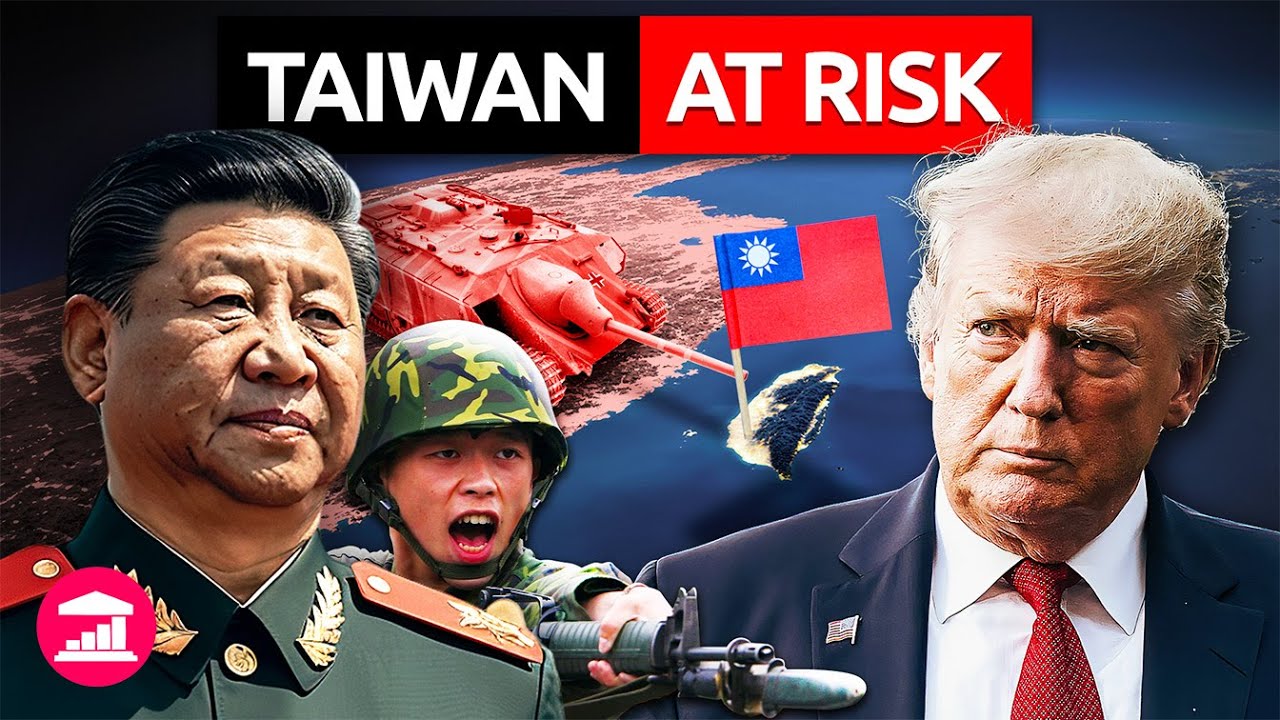
Takaichi is no pragmatist in foreign and security policy. Born in 1961, she entered politics in 1996 and rose through the LDP as a nationalist firebrand. Like her mentor Shinzō Abe, she has long advocated revising Article 9 of the constitution to formalise Japan’s Self‑Defence Forces and supports further military spending. As minister for economic security she proposed restricting foreign ownership of land near strategic sites and drafted a spy‑prevention law to counter foreign interference. During the campaign she provoked Beijing by suggesting that Japan could intervene militarily should China attempt to seize Taiwan, an assertion that led China to urge its citizens to avoid Japan and to halt panda exchanges. Instead of apologising, Takaichi doubled down, and her defiance resonated with voters who fear China’s assertiveness and North Korea’s missile tests.

The landslide also reflects deep unease over immigration and social change. Japan’s foreign‑resident population is rising — officials warn it could exceed 10 % by 2040 — and Takaichi has made tighter controls a centrepiece of her platform. She wants to review foreign investment, limit property acquisitions and curtail what she calls exploitation of lax tourism visas. Yet she balances these hard‑edged views with promises of family‑friendly policies, such as tax breaks for childcare and corporate incentives to provide in‑house nurseries. She also pledges to increase women’s representation in politics but resists calls to let women ascend the imperial throne or to allow married couples to retain separate surnames.

Implications at home and abroad
With a super‑majority secure, Takaichi can now pursue her agenda without worrying about another national election until 2028. Economists warn that cutting consumption taxes and further borrowing could exacerbate currency volatility and spook markets. She faces the herculean task of reviving growth while contending with stagflation — rising prices and stagnant wages — and a rapidly ageing population. The electorate’s patience may be limited if living standards do not improve.

Internationally, Japan’s rightward turn complicates regional diplomacy. Relations with China are at a post‑Cold War low after Takaichi’s comments on Taiwan and her regular offerings to the Yasukuni Shrine, which honours Japan’s war dead and is seen in Beijing and Seoul as a symbol of militarism. At the same time, she has strengthened ties with the United States, hosting President Donald Trump in Tokyo just days after taking office. Trump congratulated her on social media for the “conservative, peace‑through‑strength agenda”, while critics warn that closer alignment with Washington could further inflame tensions with neighbours. Within Japan, the opposition’s failure to unite means Takaichi faces little organised resistance; the Centrist Reform Alliance lost half of its pre‑election seats, and smaller parties remain divided.

Where next for Japan?
The landslide that catapulted Sanae Takaichi into near‑unchallenged power is both a mandate and a warning. It shows that many Japanese are fed up with drift and are willing to embrace a hard‑line leader who promises rapid change. But it also means that the checks and balances of coalition politics have weakened. Takaichi must now translate populist slogans into sustainable policies — restoring growth, managing debt, balancing defence with diplomacy and addressing demographic decline. Whether her nationalist agenda heralds a new chapter for Japan or simply deepens divisions at home and abroad will be watched closely in Tokyo, Beijing and Washington.

Featured


Marhabaan, welcome to the UAE and Dubai!

Marhabaan, welcome to the UAE and Dubai! The "skyward striving" Dubai next to ancient desert cities. Mysterious Bedouins and magnificent mosques exist peacefully alongside futuristic cities. Discover wadis and oases, golden sandy deserts, paradisiacal beaches and Arabian hospitality. The modern and the ancient Orient united in a book for dreaming.On this journey to Dubai and Abu Dhabi in the United Arab Emirates, the fairy tales of 1001 Arabian Nights meet the modern Arab world. These cascading cities enchant with their sky-high skyscrapers, fragrant souks, huge shopping centres and the ancient cultural heritage of the sheikhs.You can choose to stay in 4- or 5-star hotels with breakfast and swimming pools. You also have more options to book excursions so you can feel the magic of the East even more. If you want to do something out of the ordinary, you can spend an extra night in an enchanting hotel in the middle of the emirate's desert. Experience your own fairytale from 1001 nights and look forward to a holiday with plenty of casual extravagance in two superlative desert cities!

Trade and business at the Dubai Gold Souk

If Naif Deira is associated with a specific context, organization, or field, providing more details could help me offer more relevant information. Keep in mind that privacy considerations and ethical guidelines limit the amount of information available about private individuals, especially those who are not public figures. The Dubai Gold Souk is one of the most famous gold markets in the world and is located in the heart of Dubai's commercial business district in Deira. It's a traditional market where you can find a wide variety of gold, silver, and precious stone jewelry. The Gold Souk is known for its extensive selection of jewelry, including rings, bracelets, necklaces, and earrings, often crafted with intricate designs.Variety: The Gold Souk offers a vast array of jewelry designs, with a focus on gold. You can find items ranging from traditional to modern styles.Competitive Pricing: The market is known for its competitive pricing, and bargaining is a common practice. Prices are typically based on the weight of the gold and the craftsmanship involved.Gold and More: While gold is the primary focus, the souk also offers other precious metals such as silver and platinum, as well as a selection of gemstones.Cultural Experience: Visiting the Gold Souk provides not only a shopping experience but also a glimpse into the traditional trading culture of Dubai. The vibrant market is a popular destination for both tourists and locals.Security: The market is generally safe, and there are numerous shops with security measures in place. However, as with any crowded area, it's advisable to take standard precautions regarding personal belongings.Gold Souk is just one part of the larger Deira Souk complex, which also includes the Spice Souk and the Textile Souk. It's a must-visit for those interested in jewelry, and it reflects the rich cultural and trading history of Dubai.

Dubai: Amazing City Center, Night Walking Tour

During this excursion, we leisurely explore Dubai Downtown and Burj Khalifa in the evening, giving you the chance to witness the captivating transformation of the district as it comes alive with the vibrant glow of thousands of lights. As the sun sets, the illuminated facade of Burj Khalifa and the enchanting Dubai Fountain collaborate to produce a genuinely magical atmosphere.Dubai Downtown, also known as Downtown Dubai, is a distinguished and iconic district situated in the heart of Dubai, United Arab Emirates. It is a renowned neighborhood celebrated for its striking architecture, luxurious living, and exceptional entertainment options. At the core of Downtown Dubai stands the Burj Khalifa, a towering skyscraper that holds the title of the world's tallest man-made structure and serves as an emblem of modern Dubai.Burj Khalifa: The focal point of Downtown Dubai, Burj Khalifa, is famous for its groundbreaking height, reaching an impressive 828 meters (2,722 feet). Designed by architect Adrian Smith, its distinctive Y-shaped design encompasses a mix of residential, commercial, and hotel spaces.Dubai Mall: Adjacent to Burj Khalifa is the Dubai Mall, one of the largest shopping malls globally, featuring an extensive array of retail outlets, from high-end boutiques to international brands. The mall also provides various dining options, and entertainment attractions like an indoor ice rink and an aquarium, and hosts the mesmerizing Dubai Fountain.Dubai Fountain: Located just outside the Dubai Mall, the Dubai Fountain is a captivating attraction that presents a nightly spectacle of water, music, and light, captivating visitors with its perfectly synchronized performances.Emaar Boulevard: Stretching through Downtown Dubai, this boulevard is adorned with restaurants, cafes, and shops, making it a popular spot for leisurely strolls, dining, and people-watching.Luxury Living: Downtown Dubai boasts numerous upscale residential buildings and hotels, making it an appealing locale for those seeking a sophisticated urban lifestyle.Cultural Attractions: The Dubai Opera, an iconic cultural venue within the district, hosts a diverse range of performances, including opera, ballet, concerts, and theater productions.Transportation: Downtown Dubai is well-connected through public transportation, including the Dubai Metro, facilitating easy access to other parts of the city.In summary, Downtown Dubai is a dynamic and vibrant district that stands as a testament to Dubai's modernity and grandeur. It seamlessly combines architectural wonders with shopping, entertainment, and cultural offerings, creating a truly extraordinary destination.