The Prague Post - Trump fears Asia's oil shock

EUR -
AED 4.227793
AFN 73.093036
ALL 95.821139
AMD 434.134301
ANG 2.060384
AOA 1055.466588
ARS 1594.695474
AUD 1.675948
AWG 2.071798
AZN 1.961268
BAM 1.956376
BBD 2.318483
BDT 141.242224
BGN 1.967413
BHD 0.433943
BIF 3416.740797
BMD 1.150999
BND 1.482337
BOB 7.983352
BRL 6.061051
BSD 1.151134
BTN 109.10804
BWP 15.869882
BYN 3.426509
BYR 22559.582151
BZD 2.315052
CAD 1.598732
CDF 2627.159933
CHF 0.918468
CLF 0.026968
CLP 1064.847263
CNY 7.955534
CNH 7.966415
COP 4236.355738
CRC 534.55516
CUC 1.150999
CUP 30.501476
CVE 110.639834
CZK 24.526007
DJF 204.556011
DKK 7.472643
DOP 68.743467
DZD 153.239908
EGP 60.659844
ERN 17.264986
ETB 180.879958
FJD 2.590328
FKP 0.862171
GBP 0.867709
GEL 3.101989
GGP 0.862171
GHS 12.626909
GIP 0.862171
GMD 84.602865
GNF 10105.772413
GTQ 8.809634
GYD 240.967271
HKD 9.01603
HNL 30.524943
HRK 7.533409
HTG 150.89511
HUF 390.36077
IDR 19530.900697
ILS 3.611398
IMP 0.862171
INR 109.145105
IQD 1507.808807
IRR 1511549.554476
ISK 143.58758
JEP 0.862171
JMD 181.19338
JOD 0.816104
JPY 184.571341
KES 149.519157
KGS 100.655313
KHR 4617.80875
KMF 492.628013
KPW 1036.000816
KRW 1743.177052
KWD 0.354474
KYD 0.959295
KZT 556.496694
LAK 25206.880458
LBP 103071.968851
LKR 362.608401
LRD 211.352253
LSL 19.624973
LTL 3.398602
LVL 0.696228
LYD 7.343812
MAD 10.750769
MDL 20.21922
MGA 4805.421597
MKD 61.610158
MMK 2420.019892
MNT 4120.56426
MOP 9.287998
MRU 46.167009
MUR 53.755963
MVR 17.794881
MWK 1998.134816
MXN 20.85208
MYR 4.516565
MZN 73.560786
NAD 19.624968
NGN 1594.652122
NIO 42.26512
NOK 11.23054
NPR 174.56867
NZD 2.005283
OMR 0.44256
PAB 1.151124
PEN 3.981886
PGK 4.960235
PHP 69.637791
PKR 321.416927
PLN 4.287516
PYG 7526.217256
QAR 4.208633
RON 5.09801
RSD 117.382384
RUB 93.808448
RWF 1680.45867
SAR 4.318853
SBD 9.256306
SCR 17.323018
SDG 691.750843
SEK 10.904071
SGD 1.48327
SHP 0.863547
SLE 28.257455
SLL 24135.887864
SOS 657.800195
SRD 43.278761
STD 23823.357291
STN 24.573831
SVC 10.071967
SYP 127.215652
SZL 19.624959
THB 37.883413
TJS 10.999027
TMT 4.040007
TND 3.36495
TOP 2.771329
TRY 51.173045
TTD 7.82127
TWD 36.832551
TZS 2965.534234
UAH 50.456565
UGX 4288.263341
USD 1.150999
UYU 46.593727
UZS 14030.679283
VES 536.386461
VND 30314.438515
VUV 137.782859
WST 3.170812
XAF 656.150305
XAG 0.016515
XAU 0.000256
XCD 3.110633
XCG 2.07462
XDR 0.813516
XOF 652.04512
XPF 119.331742
YER 274.686351
ZAR 19.759091
ZMK 10360.377128
ZMW 21.669384
ZWL 370.621237
  • RYCEF

    -0.6100

    14.69

    -4.15%

  • RBGPF

    -13.5000

    69

    -19.57%

  • NGG

    -0.4800

    81.92

    -0.59%

  • BTI

    0.3749

    57.8

    +0.65%

  • RIO

    0.8500

    86.64

    +0.98%

  • CMSC

    -0.0500

    22.77

    -0.22%

  • RELX

    -0.1000

    31.97

    -0.31%

  • AZN

    5.0200

    188.42

    +2.66%

  • BP

    0.5100

    46.68

    +1.09%

  • VOD

    -0.1400

    14.49

    -0.97%

  • GSK

    -0.1000

    53.84

    -0.19%

  • CMSD

    -0.0900

    22.66

    -0.4%

  • BCE

    -0.2200

    25.25

    -0.87%

  • JRI

    -0.2700

    11.8

    -2.29%

  • BCC

    0.1400

    74.43

    +0.19%


Trump fears Asia's oil shock


Asia is by far the largest importer of oil and liquefied natural gas in the world. In 2025 it depended on the Middle East for almost 59 % of its crude oil imports. That oil normally flows through the Strait of Hormuz, a narrow waterway between Iran and Oman that sees about a fifth of global oil shipments pass daily. When Donald Trump launched military action against Iran in early 2026, Iran did the one thing energy analysts have always feared: it shut the Strait of Hormuz. Iranian forces attacked ships, closing the channel to almost all tankers and cutting off shipments of oil, gas and fertiliser to Asia. Trump’s bellicose 48‑hour ultimatum—promising to “obliterate” Iranian power plants if the strait did not reopen—only escalated the crisis. As skirmishes continue, analysts warn that more than 40 energy assets in the Middle East have been severely damaged.

Contagion through Asia’s economies
The closure of the strait sent oil prices soaring above US $100 per barrel and triggered emergency releases from government reserves. Yet the pain is being felt unevenly. In the United States, retail gasoline prices hovered around US $4 per gallon—uncomfortable but tolerable. In Asia, which receives nearly 90 % of the crude and LNG that transit the strait, the disruption is existential. China, with the world’s largest onshore stockpile, has limited fuel price rises, but citizens still face 20 % jumps at the pump. India reports long fuel queues and panic‑driven rationing. Bangladesh has deployed the military at oil depots and police at petrol stations, while South Korea imposed its first cap on domestic fuel prices in almost thirty years. Thailand and Pakistan have shortened the work week and closed schools, Myanmar has restricted driving to odd–even days, and the Philippines declared a national emergency and considered grounding flights.

The International Energy Agency (IEA) says the conflict represents the greatest threat to global energy security in history, warning that more oil is being lost each day than during the oil shocks of the 1970s. Fatih Birol, head of the IEA, has urged nations to reduce demand by working from home, limiting travel and driving more slowly. Even if fighting stopped today, he cautions that it would take at least six months for some oil and gasfields to return to operation.

Donald Trump’s hawkish stance toward Iran plays well with his base, but the ripple effects now threaten his broader political and economic goals. Several factors explain why an Asian energy crisis would be his worst nightmare:

-  Global economic contagion: Asia’s economies are tightly woven into global supply chains. Rising energy costs translate directly into higher prices for Asian‑made goods and services. With Asia already facing rationing and production slowdowns, manufacturers from Japan to Vietnam are cutting shifts or encouraging remote work. A prolonged shock could slow global trade and dent U.S. corporate earnings, undermining the boom Trump has promised at home.

-  Market turbulence and inflation risks: The surge in energy prices has rattled stock markets across Asia and pushed central banks to reconsider monetary policy. Higher oil prices feed directly into global inflation, forcing central banks—including the U.S. Federal Reserve—to maintain higher interest rates. This risks choking the economic growth Trump needs for re‑election, and undermines his narrative that U.S. prosperity can be insulated from foreign crises.

-  Geopolitical realignment: Asian governments have reacted to the crisis by deepening energy ties with non‑Western suppliers. China has increased imports of Iranian and Russian oil, while India has ramped up Russian crude purchases under a U.S. waiver. Japan has released 80 million barrels from its strategic reserves. Such moves reduce U.S. leverage in Asia and could hasten a broader pivot away from the American‑led energy order.

-  Domestic political blowback: Although Americans feel the crisis less acutely than Asians, U.S. voters are already sensitive to rising fuel prices. Trump’s supporters praised the strike on Iran, yet many comments on social media express unease about a war that disrupts global trade, fuels inflation and risks broader conflict. Others point out that the United States, by destroying Iranian infrastructure, has amplified the suffering of Asian economies, making Washington appear reckless and uncaring. If economic pain deepens, the backlash could erode Trump’s support among moderates.

-  Strategic overreach: Military analysts note speculation that the U.S. might attempt to seize Iran’s primary oil export terminal on Kharg Island. Such an operation could further destabilise global markets and invite retaliatory attacks. Iranian leaders have vowed to close the strait completely if their infrastructure is targeted, potentially triggering an unmanageable escalation. Trump’s fear is that his promise of a quick victory is giving way to a quagmire that damages the United States’ reputation and the global economy.

Calls for diversification and renewable energy
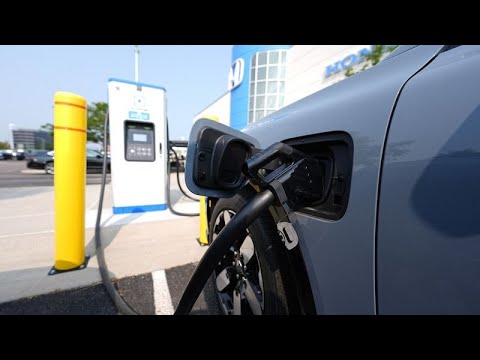
The crisis has renewed debates about energy independence. European politicians warn that the war makes the West’s retreat from electric vehicles look shortsighted. Asian leaders are accelerating plans to expand renewable energy and energy‑saving equipment. China unveiled a programme to scale up energy‑efficient technologies, while the IEA is urging governments to invest in renewables and reduce fossil‑fuel dependence. Commentators argue that the current turmoil underscores the vulnerability of an economy tethered to a single shipping chokepoint. Instead of doubling down on oil, they say, the world must diversify its energy sources.

Outlook and More
From Dhaka’s petrol queues to Seoul’s price cap and Manila’s flight cancellations, Asia is bearing the brunt of the Iran war. The region’s reliance on Middle Eastern oil and gas means any prolonged disruption will ripple through supply chains, consumer prices and political alliances. For Donald Trump, who built his political brand on promises of economic strength and geopolitical dominance, an Asian energy crisis threatens to unravel his narrative. It risks stalling global growth, fuelling inflation, weakening U.S. influence and inviting political backlash. That is why, behind the bluster, an energy shock in Asia may be the thing he fears most.
Featured


Marhabaan, welcome to the UAE and Dubai!

Marhabaan, welcome to the UAE and Dubai! The "skyward striving" Dubai next to ancient desert cities. Mysterious Bedouins and magnificent mosques exist peacefully alongside futuristic cities. Discover wadis and oases, golden sandy deserts, paradisiacal beaches and Arabian hospitality. The modern and the ancient Orient united in a book for dreaming.On this journey to Dubai and Abu Dhabi in the United Arab Emirates, the fairy tales of 1001 Arabian Nights meet the modern Arab world. These cascading cities enchant with their sky-high skyscrapers, fragrant souks, huge shopping centres and the ancient cultural heritage of the sheikhs.You can choose to stay in 4- or 5-star hotels with breakfast and swimming pools. You also have more options to book excursions so you can feel the magic of the East even more. If you want to do something out of the ordinary, you can spend an extra night in an enchanting hotel in the middle of the emirate's desert. Experience your own fairytale from 1001 nights and look forward to a holiday with plenty of casual extravagance in two superlative desert cities!

Trade and business at the Dubai Gold Souk

If Naif Deira is associated with a specific context, organization, or field, providing more details could help me offer more relevant information. Keep in mind that privacy considerations and ethical guidelines limit the amount of information available about private individuals, especially those who are not public figures. The Dubai Gold Souk is one of the most famous gold markets in the world and is located in the heart of Dubai's commercial business district in Deira. It's a traditional market where you can find a wide variety of gold, silver, and precious stone jewelry. The Gold Souk is known for its extensive selection of jewelry, including rings, bracelets, necklaces, and earrings, often crafted with intricate designs.Variety: The Gold Souk offers a vast array of jewelry designs, with a focus on gold. You can find items ranging from traditional to modern styles.Competitive Pricing: The market is known for its competitive pricing, and bargaining is a common practice. Prices are typically based on the weight of the gold and the craftsmanship involved.Gold and More: While gold is the primary focus, the souk also offers other precious metals such as silver and platinum, as well as a selection of gemstones.Cultural Experience: Visiting the Gold Souk provides not only a shopping experience but also a glimpse into the traditional trading culture of Dubai. The vibrant market is a popular destination for both tourists and locals.Security: The market is generally safe, and there are numerous shops with security measures in place. However, as with any crowded area, it's advisable to take standard precautions regarding personal belongings.Gold Souk is just one part of the larger Deira Souk complex, which also includes the Spice Souk and the Textile Souk. It's a must-visit for those interested in jewelry, and it reflects the rich cultural and trading history of Dubai.

Dubai: Amazing City Center, Night Walking Tour

During this excursion, we leisurely explore Dubai Downtown and Burj Khalifa in the evening, giving you the chance to witness the captivating transformation of the district as it comes alive with the vibrant glow of thousands of lights. As the sun sets, the illuminated facade of Burj Khalifa and the enchanting Dubai Fountain collaborate to produce a genuinely magical atmosphere.Dubai Downtown, also known as Downtown Dubai, is a distinguished and iconic district situated in the heart of Dubai, United Arab Emirates. It is a renowned neighborhood celebrated for its striking architecture, luxurious living, and exceptional entertainment options. At the core of Downtown Dubai stands the Burj Khalifa, a towering skyscraper that holds the title of the world's tallest man-made structure and serves as an emblem of modern Dubai.Burj Khalifa: The focal point of Downtown Dubai, Burj Khalifa, is famous for its groundbreaking height, reaching an impressive 828 meters (2,722 feet). Designed by architect Adrian Smith, its distinctive Y-shaped design encompasses a mix of residential, commercial, and hotel spaces.Dubai Mall: Adjacent to Burj Khalifa is the Dubai Mall, one of the largest shopping malls globally, featuring an extensive array of retail outlets, from high-end boutiques to international brands. The mall also provides various dining options, and entertainment attractions like an indoor ice rink and an aquarium, and hosts the mesmerizing Dubai Fountain.Dubai Fountain: Located just outside the Dubai Mall, the Dubai Fountain is a captivating attraction that presents a nightly spectacle of water, music, and light, captivating visitors with its perfectly synchronized performances.Emaar Boulevard: Stretching through Downtown Dubai, this boulevard is adorned with restaurants, cafes, and shops, making it a popular spot for leisurely strolls, dining, and people-watching.Luxury Living: Downtown Dubai boasts numerous upscale residential buildings and hotels, making it an appealing locale for those seeking a sophisticated urban lifestyle.Cultural Attractions: The Dubai Opera, an iconic cultural venue within the district, hosts a diverse range of performances, including opera, ballet, concerts, and theater productions.Transportation: Downtown Dubai is well-connected through public transportation, including the Dubai Metro, facilitating easy access to other parts of the city.In summary, Downtown Dubai is a dynamic and vibrant district that stands as a testament to Dubai's modernity and grandeur. It seamlessly combines architectural wonders with shopping, entertainment, and cultural offerings, creating a truly extraordinary destination.