The Prague Post - AI's 18-month Job disruption

EUR -
AED 4.244095
AFN 72.238294
ALL 95.372284
AMD 425.796151
ANG 2.06913
AOA 1060.87932
ARS 1666.425323
AUD 1.645042
AWG 2.083044
AZN 1.96205
BAM 1.953563
BBD 2.33237
BDT 142.008622
BGN 1.929829
BHD 0.436749
BIF 3456.011584
BMD 1.155642
BND 1.488857
BOB 7.982928
BRL 5.980676
BSD 1.157975
BTN 110.157817
BWP 15.66388
BYN 3.198473
BYR 22650.577968
BZD 2.329066
CAD 1.610999
CDF 2630.240525
CHF 0.922046
CLF 0.026922
CLP 1059.562004
CNY 7.826873
CNH 7.829369
COP 4133.360674
CRC 534.36897
CUC 1.155642
CUP 30.624506
CVE 110.537428
CZK 24.155246
DJF 206.212616
DKK 7.474292
DOP 67.444433
DZD 154.415675
EGP 59.769094
ERN 17.334626
ETB 186.69382
FJD 2.565295
FKP 0.865794
GBP 0.862646
GEL 3.062231
GGP 0.865794
GHS 13.53236
GIP 0.865794
GMD 84.362162
GNF 10143.742709
GTQ 8.805993
GYD 241.695338
HKD 9.056591
HNL 30.966168
HRK 7.536284
HTG 151.409548
HUF 355.547032
IDR 20730.825921
ILS 3.426073
IMP 0.865794
INR 109.99554
IQD 1513.89067
IRR 1589209.620649
ISK 143.415251
JEP 0.865794
JMD 182.866048
JOD 0.819311
JPY 185.301319
KES 149.597305
KGS 101.060519
KHR 4651.803407
KMF 493.458925
KPW 1039.910279
KRW 1761.879588
KWD 0.357313
KYD 0.962706
KZT 564.118937
LAK 25427.003378
LBP 103701.165527
LKR 389.896923
LRD 210.888196
LSL 19.090762
LTL 3.412309
LVL 0.699036
LYD 7.380399
MAD 10.697739
MDL 20.089171
MGA 4858.165953
MKD 61.644694
MMK 2425.892117
MNT 4135.66961
MOP 9.324504
MRU 46.239086
MUR 55.320381
MVR 17.866471
MWK 2008.048602
MXN 20.143708
MYR 4.695487
MZN 73.84741
NAD 19.080017
NGN 1571.511134
NIO 42.613163
NOK 10.9758
NPR 176.674176
NZD 1.98582
OMR 0.444356
PAB 1.155287
PEN 3.964718
PGK 5.068301
PHP 70.967382
PKR 322.252183
PLN 4.241193
PYG 7133.084127
QAR 4.212892
RON 5.238643
RSD 117.393517
RUB 83.180202
RWF 1695.652111
SAR 4.338219
SBD 9.2978
SCR 15.2614
SDG 693.959869
SEK 10.929077
SGD 1.487078
SHP 0.862803
SLE 28.486827
SLL 24233.231754
SOS 661.854339
SRD 43.306568
STD 23919.450643
STN 24.530497
SVC 10.108513
SYP 127.735505
SZL 19.04542
THB 37.992299
TJS 10.778352
TMT 4.056302
TND 3.361473
TOP 2.782508
TRY 53.317883
TTD 7.836095
TWD 36.525244
TZS 3033.557216
UAH 52.021726
UGX 4358.047531
USD 1.155642
UYU 46.766854
UZS 13896.592375
VES 655.217886
VND 30409.556564
VUV 137.850305
WST 3.1738
XAF 656.790594
XAG 0.017745
XAU 0.000274
XCD 3.123179
XCG 2.082034
XDR 0.816837
XOF 656.79344
XPF 119.331742
YER 275.793755
ZAR 19.102984
ZMK 10402.158979
ZMW 20.567193
ZWL 372.116167
  • CMSD

    -0.1300

    22.28

    -0.58%

  • RBGPF

    1.4900

    61.5

    +2.42%

  • CMSC

    -0.0500

    22.31

    -0.22%

  • GSK

    0.6100

    51.25

    +1.19%

  • BTI

    0.2600

    59.95

    +0.43%

  • AZN

    1.8800

    183.43

    +1.02%

  • RIO

    0.4900

    101.42

    +0.48%

  • RYCEF

    -0.1500

    16.37

    -0.92%

  • NGG

    0.9100

    81.08

    +1.12%

  • BCE

    0.4000

    24.58

    +1.63%

  • BCC

    2.0400

    70.01

    +2.91%

  • VOD

    -0.1400

    14.67

    -0.95%

  • BP

    -1.0500

    42.67

    -2.46%

  • RELX

    0.4200

    34.94

    +1.2%

  • JRI

    0.2600

    12.72

    +2.04%


AI's 18-month Job disruption


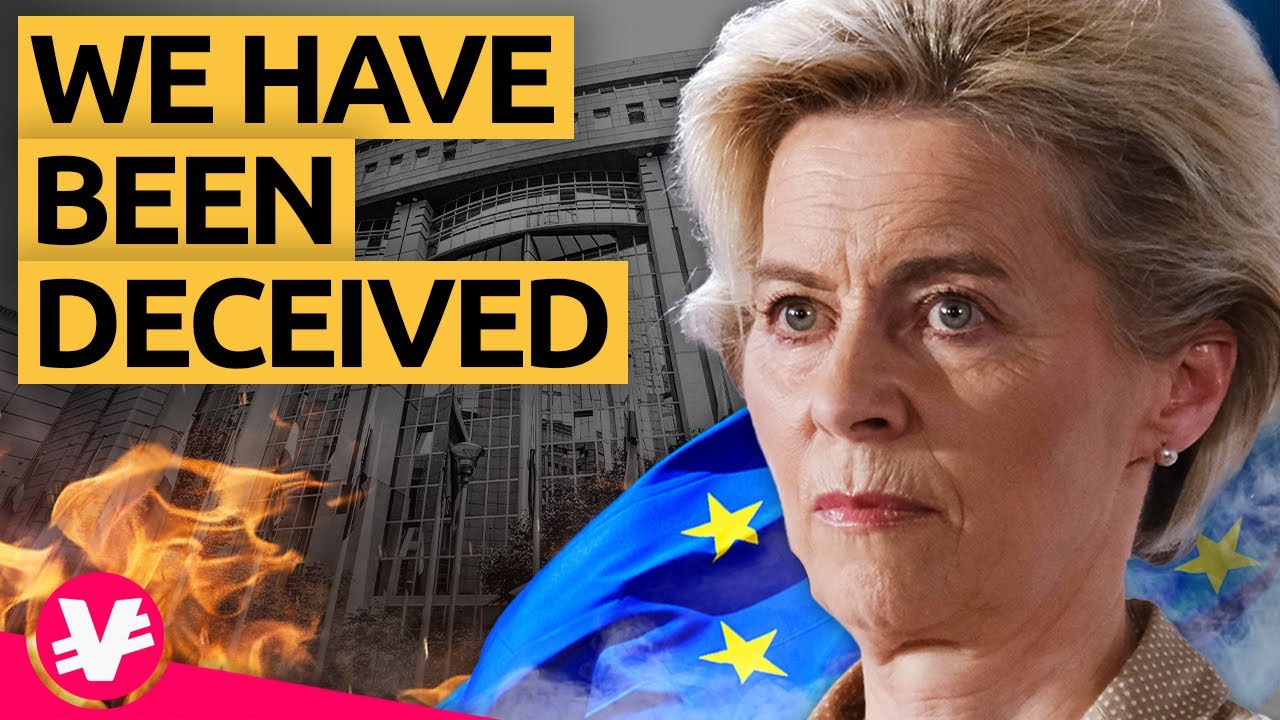
In February 2026, Microsoft’s newly appointed chief executive of artificial intelligence, Mustafa Suleyman, told the Financial Times that AI systems could soon perform “human‑level performance on most, if not all professional tasks”. He argued that the rapid growth of computational power would enable machines to automate any task performed by someone sitting at a computer — a lawyer drafting a contract, an accountant balancing a ledger or a marketing manager running a campaign. According to Suleyman, many such tasks would be fully automated within 12 to 18 months. The Microsoft executive cited the ability of large language models to write code better than most human coders and said that creating bespoke AI models would soon be as easy as starting a podcast or writing a blog.

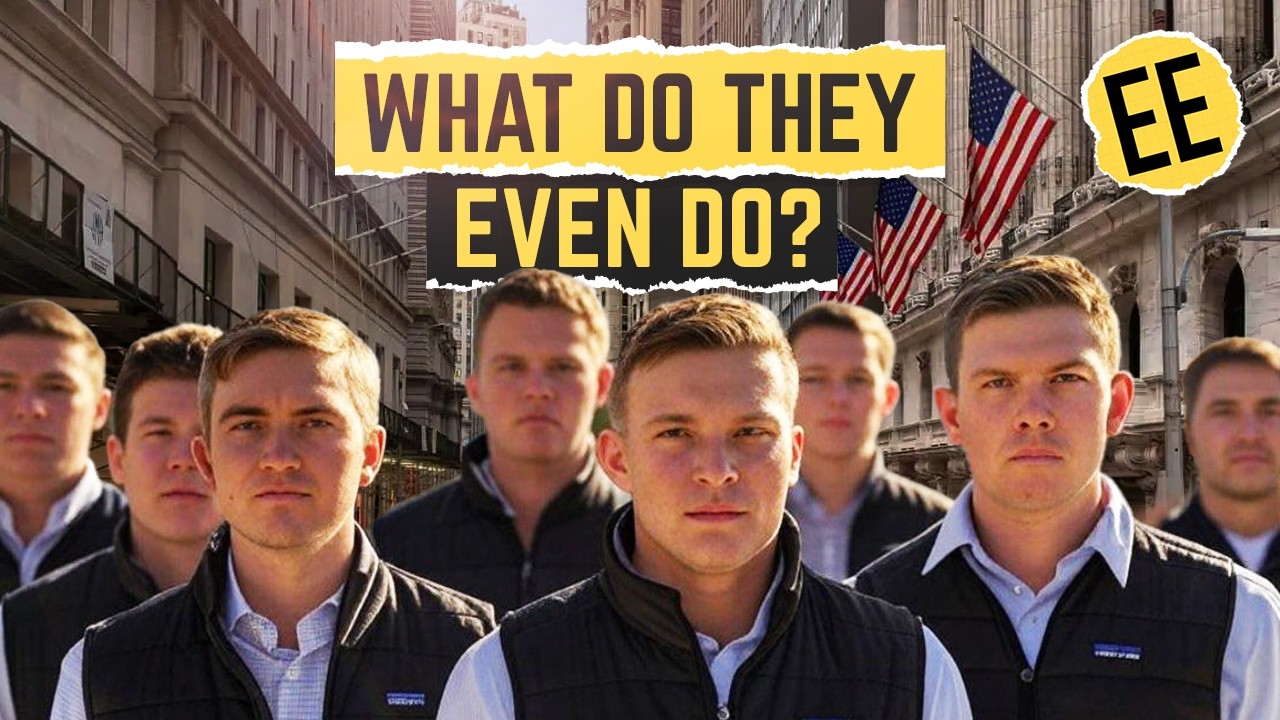
His pronouncement was one of the most dramatic in a wave of tech‑executive warnings. Anthropic co‑founder Dario Amodei said last year that AI could eliminate half of all entry‑level white‑collar jobs within five years, while Ford chief executive Jim Farley suggested that the technology could drastically shrink white‑collar employment. AI researcher Matt Shumer compared the current moment to early 2020, when the pandemic’s economic shock had not yet fully registered. Critics, meanwhile, noted that similar predictions have been made repeatedly; some viewers of Suleyman’s interview remarked that they had heard the same 18‑month warning before, and others argued that if AI is truly so disruptive it should replace top executives first.

Evidence versus alarmism
Despite Suleyman’s dire timeline, research suggests only limited disruption so far. A 2025 Thomson Reuters report on professional services found that lawyers, accountants and auditors mainly use AI for targeted tasks such as document review and routine analysis, yielding only marginal productivity improvements. Some studies even report a negative impact: a Model Evaluation and Threat Research (METR) experiment on experienced software developers found that using a popular AI coding assistant increased task completion time by 19 %, because programmers spent additional time correcting the model’s suggestions. Other research has demonstrated speed‑ups in specific contexts, but the METR authors caution that these gains do not generalize to all code‑bases. In the broader economy, profits remain concentrated. Data from Apollo Global Management showed that Big Tech profit margins rose more than 20 % in late 2025, while the wider Bloomberg 500 index saw little change. Wall Street analysts thus doubt that AI will deliver higher earnings outside the tech sector.

Hiring data also temper the narrative. Employment consultancy Challenger, Gray & Christmas recorded about 55,000 job cuts attributed to AI in 2025. Microsoft itself eliminated 15,000 jobs last year, though it did not directly link those reductions to automation. Some industry observers believe executives are using AI hype to justify traditional cost‑cutting; user comments on social media argued that businesses often announce AI‑driven layoffs to distract from poor financial performance, and several commenters questioned who would purchase goods and services if most people were unemployed.

Economic and political reactions
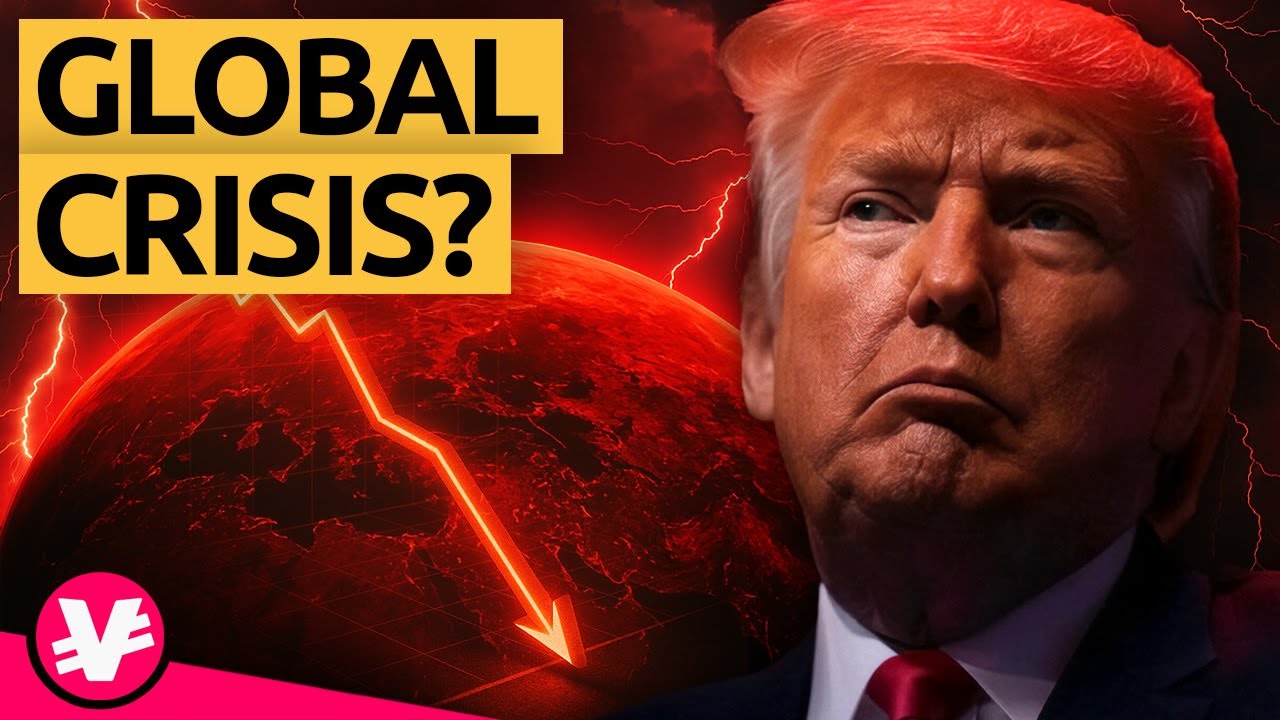
Suleyman’s remarks provoked a fast response from policy‑makers. U.S. senator Bernie Sanders called the prediction an “economic earthquake” and urged a moratorium on new AI data centers so that the technology benefits workers rather than a handful of billionaires. Lawmakers in several states have already campaigned against the energy demands of AI facilities, and the issue has become politicised during the U.S. presidential race. Even Microsoft’s overall chief executive Satya Nadella has warned that the industry must earn the “social permission” to consume vast amounts of electricity. In an interview, Nadella said that AI companies need to show they are “doing good in the world” or risk a public backlash over energy use. He added that AI’s benefits must be widely shared and not confined to a few companies or regions.

Financial markets have reacted nervously. Concerns about automation drove a recent sell‑off in software stocks, dubbed the “SaaSpocalypse,” after Anthropic and OpenAI unveiled agentic AI systems capable of performing many software‑as‑a‑service functions. Analysts observed that the sell‑off reflected fear rather than current impact; AI products such as Microsoft’s Copilot are still in the early stages of adoption, and there are significant hurdles to full automation. Experts note that successful deployment requires training, redesigned workflows and reliable AI agents, and many organisations are far from achieving those prerequisites. Paul Roetzer, founder of the Marketing AI Institute, argued that displacement will be constrained by the difficulty of integrating AI into existing systems.

Social response and ethical questions
Public reaction to the 18‑month forecast has been mixed. Some see AI as a new industrial revolution that could free people from drudgery, while others fear widespread unemployment and social upheaval. Online comments on the interview reveal a deep scepticism: viewers joked that by the time AI automates marketing, it will also be cleaning toilets, and some called for a universal basic income to offset job losses. Others warned that if AI renders people jobless, the economy will collapse due to lack of consumers. A number of comments also highlighted that AI predictions often overlook who controls the technology; one observer noted that executive positions are rarely listed among the jobs that could be automated.

Ethical considerations extend beyond employment. AI’s energy appetite and the environmental costs of data centers have prompted demands for responsible innovation. Nadella’s plea for social licence underscores the need for transparent governance, equitable distribution of benefits and safeguards against monopolistic control. Advocates argue that if AI systems do not deliver tangible improvements in healthcare, education or climate resilience, the public may refuse to tolerate their resource consumption.

Looking forward
The gap between breathless forecasts and current reality suggests that the future of work will be more nuanced than a simple countdown to obsolescence. AI systems are undeniably accelerating, and many routine tasks will likely be automated. However, evidence points to augmentation rather than wholesale replacement. White‑collar roles that blend critical thinking, emotional intelligence and domain expertise are proving harder to replicate than anticipated. Meanwhile, new opportunities are emerging for workers who can supervise AI, curate data and integrate automated outputs into complex processes. Rather than fearing an AI takeover, experts advocate investment in education, reskilling and social safety nets so that labour markets can adapt.

The next 18 months will reveal whether Suleyman’s prediction was prescient or hyperbole. What is clear is that artificial intelligence has entered a phase of rapid experimentation. The challenge now is to ensure that the technology develops in a way that enhances human welfare, spreads prosperity and respects the planet’s finite resources.

Featured


Marhabaan, welcome to the UAE and Dubai!

Marhabaan, welcome to the UAE and Dubai! The "skyward striving" Dubai next to ancient desert cities. Mysterious Bedouins and magnificent mosques exist peacefully alongside futuristic cities. Discover wadis and oases, golden sandy deserts, paradisiacal beaches and Arabian hospitality. The modern and the ancient Orient united in a book for dreaming.On this journey to Dubai and Abu Dhabi in the United Arab Emirates, the fairy tales of 1001 Arabian Nights meet the modern Arab world. These cascading cities enchant with their sky-high skyscrapers, fragrant souks, huge shopping centres and the ancient cultural heritage of the sheikhs.You can choose to stay in 4- or 5-star hotels with breakfast and swimming pools. You also have more options to book excursions so you can feel the magic of the East even more. If you want to do something out of the ordinary, you can spend an extra night in an enchanting hotel in the middle of the emirate's desert. Experience your own fairytale from 1001 nights and look forward to a holiday with plenty of casual extravagance in two superlative desert cities!

Trade and business at the Dubai Gold Souk

If Naif Deira is associated with a specific context, organization, or field, providing more details could help me offer more relevant information. Keep in mind that privacy considerations and ethical guidelines limit the amount of information available about private individuals, especially those who are not public figures. The Dubai Gold Souk is one of the most famous gold markets in the world and is located in the heart of Dubai's commercial business district in Deira. It's a traditional market where you can find a wide variety of gold, silver, and precious stone jewelry. The Gold Souk is known for its extensive selection of jewelry, including rings, bracelets, necklaces, and earrings, often crafted with intricate designs.Variety: The Gold Souk offers a vast array of jewelry designs, with a focus on gold. You can find items ranging from traditional to modern styles.Competitive Pricing: The market is known for its competitive pricing, and bargaining is a common practice. Prices are typically based on the weight of the gold and the craftsmanship involved.Gold and More: While gold is the primary focus, the souk also offers other precious metals such as silver and platinum, as well as a selection of gemstones.Cultural Experience: Visiting the Gold Souk provides not only a shopping experience but also a glimpse into the traditional trading culture of Dubai. The vibrant market is a popular destination for both tourists and locals.Security: The market is generally safe, and there are numerous shops with security measures in place. However, as with any crowded area, it's advisable to take standard precautions regarding personal belongings.Gold Souk is just one part of the larger Deira Souk complex, which also includes the Spice Souk and the Textile Souk. It's a must-visit for those interested in jewelry, and it reflects the rich cultural and trading history of Dubai.

Dubai: Amazing City Center, Night Walking Tour

During this excursion, we leisurely explore Dubai Downtown and Burj Khalifa in the evening, giving you the chance to witness the captivating transformation of the district as it comes alive with the vibrant glow of thousands of lights. As the sun sets, the illuminated facade of Burj Khalifa and the enchanting Dubai Fountain collaborate to produce a genuinely magical atmosphere.Dubai Downtown, also known as Downtown Dubai, is a distinguished and iconic district situated in the heart of Dubai, United Arab Emirates. It is a renowned neighborhood celebrated for its striking architecture, luxurious living, and exceptional entertainment options. At the core of Downtown Dubai stands the Burj Khalifa, a towering skyscraper that holds the title of the world's tallest man-made structure and serves as an emblem of modern Dubai.Burj Khalifa: The focal point of Downtown Dubai, Burj Khalifa, is famous for its groundbreaking height, reaching an impressive 828 meters (2,722 feet). Designed by architect Adrian Smith, its distinctive Y-shaped design encompasses a mix of residential, commercial, and hotel spaces.Dubai Mall: Adjacent to Burj Khalifa is the Dubai Mall, one of the largest shopping malls globally, featuring an extensive array of retail outlets, from high-end boutiques to international brands. The mall also provides various dining options, and entertainment attractions like an indoor ice rink and an aquarium, and hosts the mesmerizing Dubai Fountain.Dubai Fountain: Located just outside the Dubai Mall, the Dubai Fountain is a captivating attraction that presents a nightly spectacle of water, music, and light, captivating visitors with its perfectly synchronized performances.Emaar Boulevard: Stretching through Downtown Dubai, this boulevard is adorned with restaurants, cafes, and shops, making it a popular spot for leisurely strolls, dining, and people-watching.Luxury Living: Downtown Dubai boasts numerous upscale residential buildings and hotels, making it an appealing locale for those seeking a sophisticated urban lifestyle.Cultural Attractions: The Dubai Opera, an iconic cultural venue within the district, hosts a diverse range of performances, including opera, ballet, concerts, and theater productions.Transportation: Downtown Dubai is well-connected through public transportation, including the Dubai Metro, facilitating easy access to other parts of the city.In summary, Downtown Dubai is a dynamic and vibrant district that stands as a testament to Dubai's modernity and grandeur. It seamlessly combines architectural wonders with shopping, entertainment, and cultural offerings, creating a truly extraordinary destination.