The Prague Post - Russia’s dollar pivot

EUR -
AED 4.27303
AFN 72.704848
ALL 95.250538
AMD 428.512994
ANG 2.082896
AOA 1067.937538
ARS 1660.224996
AUD 1.623429
AWG 2.096903
AZN 1.971651
BAM 1.95381
BBD 2.343483
BDT 142.824544
BGN 1.942668
BHD 0.438551
BIF 3460.907454
BMD 1.16333
BND 1.486567
BOB 8.039847
BRL 5.861907
BSD 1.1635
BTN 110.470595
BWP 15.620689
BYN 3.214385
BYR 22801.272636
BZD 2.340127
CAD 1.610805
CDF 2629.126533
CHF 0.915539
CLF 0.026377
CLP 1038.132516
CNY 7.87022
CNH 7.870988
COP 4146.039163
CRC 528.654789
CUC 1.16333
CUP 30.828251
CVE 110.653957
CZK 24.286613
DJF 206.746666
DKK 7.474516
DOP 67.473405
DZD 155.016045
EGP 60.514928
ERN 17.449954
ETB 184.399995
FJD 2.554615
FKP 0.864502
GBP 0.864244
GEL 3.106398
GGP 0.864502
GHS 13.680884
GIP 0.864502
GMD 84.923237
GNF 10208.223284
GTQ 8.875846
GYD 243.427902
HKD 9.117659
HNL 30.964066
HRK 7.530818
HTG 152.312917
HUF 356.066334
IDR 20741.014787
ILS 3.282511
IMP 0.864502
INR 111.184764
IQD 1524.228036
IRR 1571949.982345
ISK 143.613101
JEP 0.864502
JMD 183.27335
JOD 0.824795
JPY 185.709398
KES 150.547254
KGS 101.73327
KHR 4667.863959
KMF 493.251881
KPW 1046.828819
KRW 1759.955976
KWD 0.359679
KYD 0.969588
KZT 569.003177
LAK 25535.098366
LBP 104176.222755
LKR 384.997909
LRD 212.453148
LSL 18.908343
LTL 3.435012
LVL 0.703687
LYD 7.390473
MAD 10.688855
MDL 20.071042
MGA 4892.038856
MKD 61.650312
MMK 2442.376152
MNT 4160.650985
MOP 9.392992
MRU 46.495648
MUR 55.083878
MVR 17.911481
MWK 2017.61053
MXN 20.195989
MYR 4.612584
MZN 74.342576
NAD 18.9081
NGN 1594.158319
NIO 42.815843
NOK 10.789312
NPR 176.753711
NZD 1.960449
OMR 0.447299
PAB 1.16352
PEN 3.955421
PGK 5.084821
PHP 71.88681
PKR 323.907425
PLN 4.235587
PYG 7002.777909
QAR 4.24138
RON 5.24685
RSD 117.400976
RUB 83.760277
RWF 1708.116364
SAR 4.365298
SBD 9.344404
SCR 15.910439
SDG 698.58408
SEK 10.82659
SGD 1.48776
SHP 0.868544
SLE 28.616568
SLL 24394.455844
SOS 665.014159
SRD 43.374186
STD 24078.587142
STN 24.474759
SVC 10.181631
SYP 128.585331
SZL 18.894514
THB 37.970919
TJS 10.739386
TMT 4.071656
TND 3.398439
TOP 2.80102
TRY 53.411633
TTD 7.901986
TWD 36.431902
TZS 3036.29537
UAH 51.563387
UGX 4386.476148
USD 1.16333
UYU 46.712427
UZS 13863.880691
VES 638.301909
VND 30621.760151
VUV 137.812545
WST 3.158661
XAF 655.281197
XAG 0.015539
XAU 0.000259
XCD 3.143959
XCG 2.097037
XDR 0.813758
XOF 655.289637
XPF 119.331742
YER 277.570043
ZAR 18.965046
ZMK 10471.370421
ZMW 21.147554
ZWL 374.591862
  • CMSC

    0.0300

    22.77

    +0.13%

  • RYCEF

    -1.1200

    16.88

    -6.64%

  • RBGPF

    -1.5000

    61.5

    -2.44%

  • VOD

    0.0100

    14.97

    +0.07%

  • BTI

    -0.7900

    61

    -1.3%

  • RIO

    2.5700

    108.96

    +2.36%

  • AZN

    -5.9600

    179.71

    -3.32%

  • NGG

    -1.5300

    80

    -1.91%

  • GSK

    -1.2300

    49.31

    -2.49%

  • BP

    1.0700

    42.94

    +2.49%

  • BCC

    -1.1700

    68.33

    -1.71%

  • CMSD

    -0.1300

    22.8

    -0.57%

  • BCE

    -0.0500

    25.06

    -0.2%

  • JRI

    -0.2600

    12.66

    -2.05%

  • RELX

    1.8100

    34.6

    +5.23%


Russia’s dollar pivot


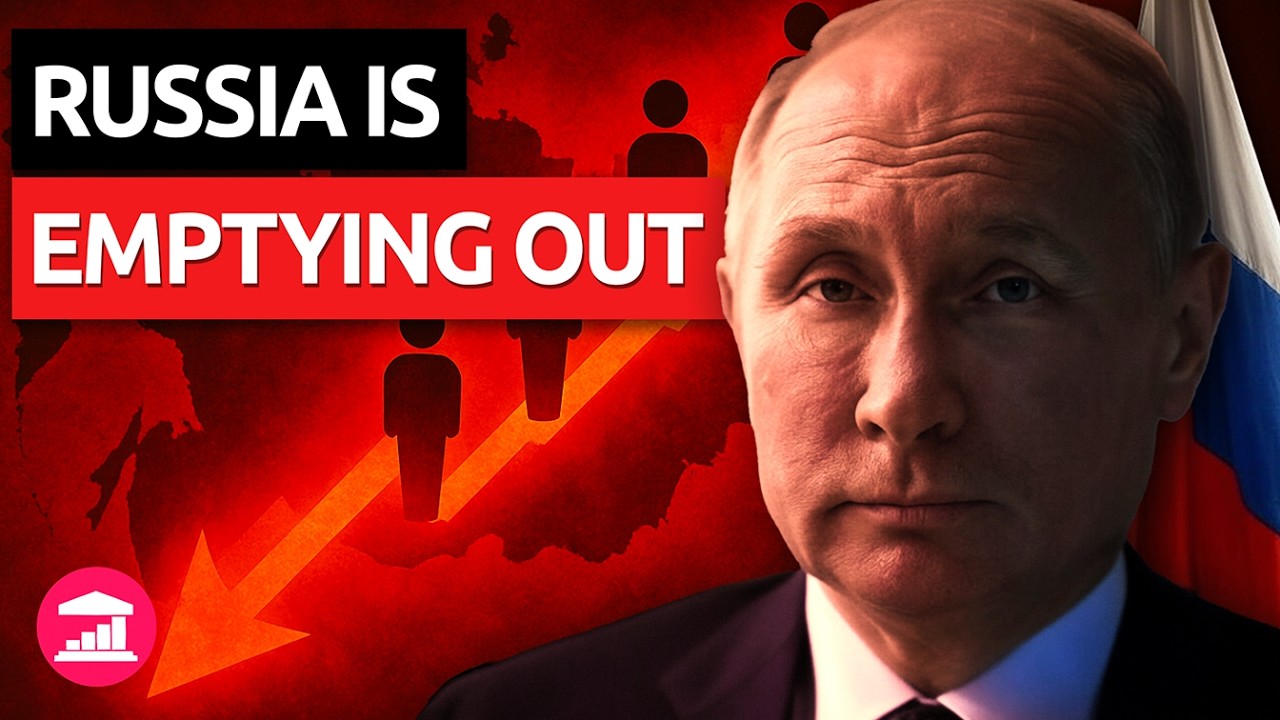
For years, Moscow positioned itself as the standard‑bearer of de‑dollarization. After Western sanctions were imposed in 2022, the Kremlin accelerated efforts to settle trade in local currencies, expanded gold reserves and championed alternative payment systems within the bloc of major emerging economies known as BRICS. Senior officials boasted that the age of the greenback was ending, and state media presented the shift as a moral stand against Western financial hegemony.

That narrative now faces an extraordinary test. According to an internal government memorandum circulated among senior officials early this year and reported by multiple media outlets, Russia is exploring a broad economic rapprochement with the United States in return for sanctions relief and progress on a settlement in Ukraine. The document lists seven areas of potential cooperation, from fossil fuels and natural gas to offshore oil exploration and strategic minerals. The most striking element is Moscow’s readiness to re‑enter the dollar settlement system—a reversal of the policy that has underpinned its eastward economic pivot.

De‑dollarization and the BRICS currency dream
Russia’s push to reduce dependence on the U.S. dollar has been most visible in its trade with China. By mid‑2023, President Vladimir Putin told a St Petersburg business forum that more than four‑fifths of bilateral trade was being settled in rubles and yuan, noting that reliance on the dollar exposed both sides to risks and costs. The trend accelerated: at the Boao Forum for Asia in March 2024, Deputy Prime Minister Alexei Overchuk said around 92 percent of trade settlement between Russia and China was being conducted in the two countries’ currencies. Bilateral trade volumes reached $240 billion in 2023, up sharply from the previous year, and the share of deals using local currencies climbed from a quarter in 2021 to two‑thirds in 2023.

These shifts were part of a broader agenda within BRICS. At the bloc’s summit in Kazan in October 2024, leaders discussed the idea of creating a new reserve currency backed by a basket of their national currencies. On stage, Mr Putin held up a prototype banknote meant to symbolise a BRICS currency. Yet he struck a conciliatory note, stressing that the goal was not to “refuse or fight the dollar” but to prevent its “weaponization” by developing mechanisms for local‑currency trade. Officials from other member states expressed similar caution. The bloc’s New Development Bank made clear there was “no suggestion right now” of launching a new currency.

Within BRICS, the shift away from the dollar has been uneven but significant. Roughly 60–67 percent of intra‑BRICS trade is now estimated to be settled in local currencies, according to government data. Russia’s bilateral trade with China and India is said to be 90–95 percent denominated in rubles, yuan and rupees. However, the dollar still accounts for about 88–89 percent of global foreign exchange transactions and remains the dominant currency for energy and commodity trading. Energy contracts are largely priced in dollars, and global capital markets continue to operate primarily in the U.S. currency.

A leaked memo and a potential U.S. deal
Against this backdrop, the leaked Kremlin memorandum marks a dramatic change of tone. The document proposes an “energy dominance” partnership in which the United States and Russia would transition from rivals to partners, focusing on joint investments in liquefied natural gas, offshore drilling and the development of critical minerals such as palladium and nickel. In exchange for a peace framework in Ukraine and the easing of sanctions, Moscow would re‑open its economy to American firms and return to dollar‑denominated trade. The memo describes this shift as an economic realignment rather than a symbolic gesture, arguing that reintegration into the dollar system would expand Russia’s access to global liquidity, lower transaction costs and stabilise its currency markets.

Such a pivot would reverse years of painstaking efforts to insulate Russia from U.S. financial pressure. Since 2022, nearly 90 percent of Russia’s trade with China and India has been settled in national currencies, and the share of local‑currency settlement across BRICS has climbed steadily. Russia’s removal from the SWIFT financial messaging system forced banks to adopt alternative channels. Returning to the dollar would restore access to deep capital markets but would also reintroduce exposure to potential U.S. sanctions and financial surveillance.

Why Moscow might turn back
Analysts point to several reasons why the Kremlin might consider embracing the dollar once more. First, the de‑dollarization drive has increased Russia’s dependence on China. Using the yuan binds Moscow to a partner whose economic clout far exceeds its own, giving Beijing significant leverage. The leaked memo implicitly acknowledges this imbalance by proposing diversification through renewed engagement with the United States. Second, the dollar’s dominance in global trade and finance remains overwhelming. According to central bank data, the greenback makes up the majority of foreign exchange reserves and still facilitates most energy transactions. Re‑entering dollar‑based systems would improve liquidity for Russian businesses and help stabilise the ruble, which has seen volatile swings against the U.S. currency.

A return to dollar settlements could also serve as a bargaining chip. Moscow may hope to leverage its willingness to rejoin the U.S. financial architecture to secure sanctions relief and concessions on Ukraine. In this interpretation, the memo is less a repudiation of BRICS than a pragmatic negotiation tactic. It signals openness to compromise without committing to immediate policy changes. The Kremlin has not publicly confirmed the document’s authenticity, and officials have said that any agreement would depend on complex diplomatic alignments and legislative approval in Washington.

Strains on BRICS and relations with Beijing
Even the suggestion of a dollar comeback has unsettled other BRICS members. China has invested heavily in internationalising the yuan, and India has expanded rupee settlements. A Russian about‑face would slow the momentum behind alternative payment systems and cast doubt on proposals like BRICS Pay. It could also introduce friction within the bloc: Brazil, South Africa and Saudi Arabia have backed gradual de‑dollarization as a means of strengthening economic sovereignty. For them, Russia’s shift might look like a betrayal of a shared agenda.

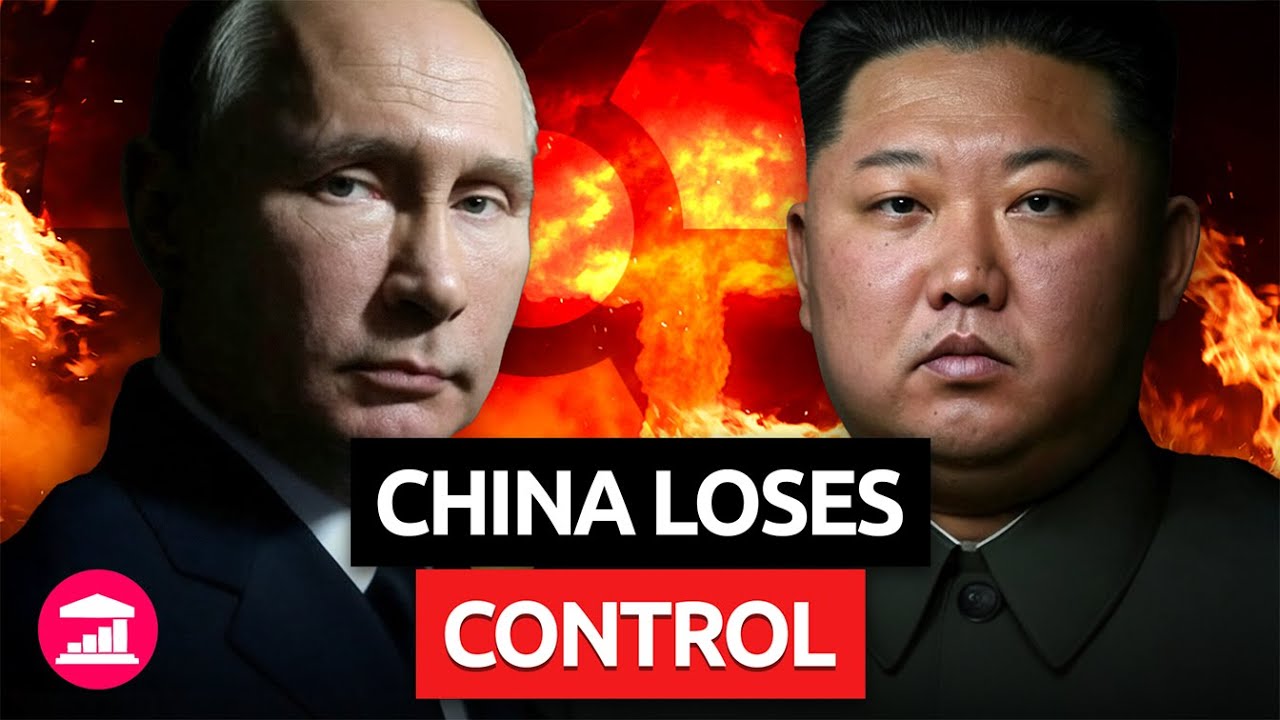
The move could have significant geopolitical consequences for Russia’s relationship with China. Beijing has been Moscow’s lifeline since the invasion of Ukraine, purchasing discounted oil and gas and providing access to technology. In return, Moscow has become more reliant on Chinese investment and currency channels. A pivot toward the dollar risks antagonising China and weakening a partnership that both sides describe as a “no‑limits” friendship. Some observers suggest that the Kremlin is betting it can balance ties with Washington and Beijing or at least extract concessions from both.

An uncertain path ahead
For now, Russia remains deeply integrated into the Chinese economic sphere. Trade in local currencies continues to expand, and the BRICS countries have not abandoned the idea of enhancing payment mechanisms independent of the U.S. dollar. The leaked memo is a reminder that geopolitical strategies are shaped as much by pragmatism as by ideology. Moscow’s de‑dollarization campaign has always been about hedging against Western pressure rather than declaring a clean break. If sanctions were lifted and economic incentives aligned, a return to the dollar would be less ideological surrender than tactical adjustment.

Still, the implications are profound. Should Russia re‑enter dollar‑based trade, it would signal that even a leading advocate of alternative currencies sees advantages in the existing system. It would test the cohesion of BRICS and force Beijing to reassess the balance of power within the partnership. Above all, it underscores the resilience of the greenback: despite repeated predictions of its decline, the U.S. dollar remains the anchor of global finance, and even those who challenge it may find themselves drawn back into its orbit.
Featured


Marhabaan, welcome to the UAE and Dubai!

Marhabaan, welcome to the UAE and Dubai! The "skyward striving" Dubai next to ancient desert cities. Mysterious Bedouins and magnificent mosques exist peacefully alongside futuristic cities. Discover wadis and oases, golden sandy deserts, paradisiacal beaches and Arabian hospitality. The modern and the ancient Orient united in a book for dreaming.On this journey to Dubai and Abu Dhabi in the United Arab Emirates, the fairy tales of 1001 Arabian Nights meet the modern Arab world. These cascading cities enchant with their sky-high skyscrapers, fragrant souks, huge shopping centres and the ancient cultural heritage of the sheikhs.You can choose to stay in 4- or 5-star hotels with breakfast and swimming pools. You also have more options to book excursions so you can feel the magic of the East even more. If you want to do something out of the ordinary, you can spend an extra night in an enchanting hotel in the middle of the emirate's desert. Experience your own fairytale from 1001 nights and look forward to a holiday with plenty of casual extravagance in two superlative desert cities!

Trade and business at the Dubai Gold Souk

If Naif Deira is associated with a specific context, organization, or field, providing more details could help me offer more relevant information. Keep in mind that privacy considerations and ethical guidelines limit the amount of information available about private individuals, especially those who are not public figures. The Dubai Gold Souk is one of the most famous gold markets in the world and is located in the heart of Dubai's commercial business district in Deira. It's a traditional market where you can find a wide variety of gold, silver, and precious stone jewelry. The Gold Souk is known for its extensive selection of jewelry, including rings, bracelets, necklaces, and earrings, often crafted with intricate designs.Variety: The Gold Souk offers a vast array of jewelry designs, with a focus on gold. You can find items ranging from traditional to modern styles.Competitive Pricing: The market is known for its competitive pricing, and bargaining is a common practice. Prices are typically based on the weight of the gold and the craftsmanship involved.Gold and More: While gold is the primary focus, the souk also offers other precious metals such as silver and platinum, as well as a selection of gemstones.Cultural Experience: Visiting the Gold Souk provides not only a shopping experience but also a glimpse into the traditional trading culture of Dubai. The vibrant market is a popular destination for both tourists and locals.Security: The market is generally safe, and there are numerous shops with security measures in place. However, as with any crowded area, it's advisable to take standard precautions regarding personal belongings.Gold Souk is just one part of the larger Deira Souk complex, which also includes the Spice Souk and the Textile Souk. It's a must-visit for those interested in jewelry, and it reflects the rich cultural and trading history of Dubai.

Dubai: Amazing City Center, Night Walking Tour

During this excursion, we leisurely explore Dubai Downtown and Burj Khalifa in the evening, giving you the chance to witness the captivating transformation of the district as it comes alive with the vibrant glow of thousands of lights. As the sun sets, the illuminated facade of Burj Khalifa and the enchanting Dubai Fountain collaborate to produce a genuinely magical atmosphere.Dubai Downtown, also known as Downtown Dubai, is a distinguished and iconic district situated in the heart of Dubai, United Arab Emirates. It is a renowned neighborhood celebrated for its striking architecture, luxurious living, and exceptional entertainment options. At the core of Downtown Dubai stands the Burj Khalifa, a towering skyscraper that holds the title of the world's tallest man-made structure and serves as an emblem of modern Dubai.Burj Khalifa: The focal point of Downtown Dubai, Burj Khalifa, is famous for its groundbreaking height, reaching an impressive 828 meters (2,722 feet). Designed by architect Adrian Smith, its distinctive Y-shaped design encompasses a mix of residential, commercial, and hotel spaces.Dubai Mall: Adjacent to Burj Khalifa is the Dubai Mall, one of the largest shopping malls globally, featuring an extensive array of retail outlets, from high-end boutiques to international brands. The mall also provides various dining options, and entertainment attractions like an indoor ice rink and an aquarium, and hosts the mesmerizing Dubai Fountain.Dubai Fountain: Located just outside the Dubai Mall, the Dubai Fountain is a captivating attraction that presents a nightly spectacle of water, music, and light, captivating visitors with its perfectly synchronized performances.Emaar Boulevard: Stretching through Downtown Dubai, this boulevard is adorned with restaurants, cafes, and shops, making it a popular spot for leisurely strolls, dining, and people-watching.Luxury Living: Downtown Dubai boasts numerous upscale residential buildings and hotels, making it an appealing locale for those seeking a sophisticated urban lifestyle.Cultural Attractions: The Dubai Opera, an iconic cultural venue within the district, hosts a diverse range of performances, including opera, ballet, concerts, and theater productions.Transportation: Downtown Dubai is well-connected through public transportation, including the Dubai Metro, facilitating easy access to other parts of the city.In summary, Downtown Dubai is a dynamic and vibrant district that stands as a testament to Dubai's modernity and grandeur. It seamlessly combines architectural wonders with shopping, entertainment, and cultural offerings, creating a truly extraordinary destination.