The Prague Post - Ukraine Loses Kursk: A Collapse?

EUR -
AED 4.333486
AFN 78.161055
ALL 96.735966
AMD 450.469935
ANG 2.112645
AOA 1082.044248
ARS 1715.069236
AUD 1.773437
AWG 2.12692
AZN 2.012658
BAM 1.961657
BBD 2.376224
BDT 144.181721
BGN 1.960418
BHD 0.444845
BIF 3498.141012
BMD 1.179983
BND 1.521097
BOB 8.152099
BRL 6.434099
BSD 1.179788
BTN 107.214943
BWP 15.582063
BYN 3.457421
BYR 23127.670746
BZD 2.372814
CAD 1.620795
CDF 2654.96199
CHF 0.936077
CLF 0.027463
CLP 1077.537751
CNY 8.315637
CNH 8.297913
COP 4522.144021
CRC 588.740402
CUC 1.179983
CUP 31.269555
CVE 110.596156
CZK 24.319809
DJF 210.09106
DKK 7.470945
DOP 75.806343
DZD 152.763006
EGP 55.96814
ERN 17.699748
ETB 183.149316
FJD 2.718976
FKP 0.881913
GBP 0.878167
GEL 3.18004
GGP 0.881913
GHS 13.568109
GIP 0.881913
GMD 86.781457
GNF 10259.720486
GTQ 9.03467
GYD 246.829664
HKD 9.17985
HNL 31.084813
HRK 7.540916
HTG 154.511341
HUF 385.20493
IDR 19657.163153
ILS 3.794053
IMP 0.881913
INR 107.271152
IQD 1545.614907
IRR 49689.093028
ISK 148.005086
JEP 0.881913
JMD 189.367018
JOD 0.836563
JPY 182.372288
KES 151.922486
KGS 103.188913
KHR 4723.964724
KMF 495.592785
KPW 1061.985177
KRW 1736.027037
KWD 0.361594
KYD 0.983207
KZT 608.137743
LAK 25560.560721
LBP 105651.120019
LKR 365.230508
LRD 208.827324
LSL 19.812384
LTL 3.484183
LVL 0.71376
LYD 6.39214
MAD 10.796837
MDL 19.867732
MGA 5329.75553
MKD 61.56795
MMK 2477.688651
MNT 4185.213959
MOP 9.453646
MRU 46.792714
MUR 54.18498
MVR 18.174583
MWK 2045.747526
MXN 21.160173
MYR 4.820821
MZN 75.400794
NAD 19.813058
NGN 1713.984446
NIO 43.418166
NOK 11.981856
NPR 171.544109
NZD 2.03363
OMR 0.453715
PAB 1.179788
PEN 3.974232
PGK 5.016019
PHP 69.020789
PKR 330.648853
PLN 4.218263
PYG 7924.661504
QAR 4.301744
RON 5.093163
RSD 117.384851
RUB 93.744146
RWF 1717.778001
SAR 4.425955
SBD 9.628716
SCR 16.040231
SDG 709.757255
SEK 10.939902
SGD 1.519217
SHP 0.885293
SLE 28.378283
SLL 24743.662064
SOS 674.293309
SRD 45.639391
STD 24423.269891
STN 24.57264
SVC 10.323913
SYP 13048.810003
SZL 19.795518
THB 37.040084
TJS 10.842352
TMT 4.129941
TND 3.445387
TOP 2.841117
TRY 50.401561
TTD 8.00366
TWD 37.073653
TZS 2914.55868
UAH 49.756986
UGX 4200.542005
USD 1.179983
UYU 46.157818
UZS 14305.714092
VES 315.574413
VND 31086.657439
VUV 143.322905
WST 3.279542
XAF 657.901853
XAG 0.018487
XAU 0.000272
XCD 3.188963
XCG 2.126286
XDR 0.81912
XOF 657.927018
XPF 119.331742
YER 281.367164
ZAR 19.728947
ZMK 10621.267027
ZMW 27.10613
ZWL 379.954109
  • CMSC

    0.0600

    23.36

    +0.26%

  • SCS

    0.0200

    16.14

    +0.12%

  • GSK

    -0.3860

    48.854

    -0.79%

  • NGG

    -0.4800

    75.55

    -0.64%

  • RELX

    -0.1400

    40.94

    -0.34%

  • VOD

    0.0320

    12.732

    +0.25%

  • RYCEF

    -0.2500

    14.65

    -1.71%

  • RBGPF

    3.3200

    81

    +4.1%

  • RIO

    0.3400

    76.16

    +0.45%

  • BCE

    -0.1000

    23.51

    -0.43%

  • BTI

    -0.2800

    57.46

    -0.49%

  • AZN

    -0.9600

    90.6

    -1.06%

  • CMSD

    0.0250

    23.39

    +0.11%

  • BP

    -1.3700

    33.88

    -4.04%

  • JRI

    -0.0050

    13.555

    -0.04%

  • BCC

    1.3900

    76.72

    +1.81%


Ukraine Loses Kursk: A Collapse?


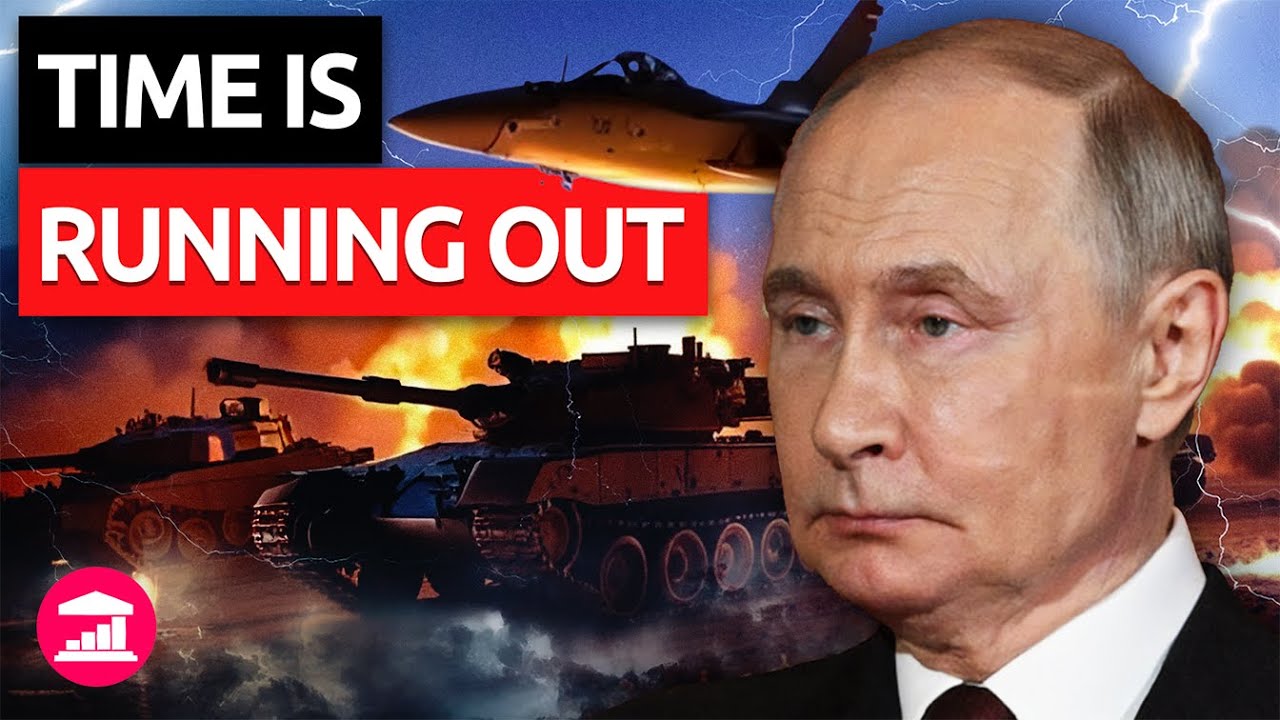
Seven months after Ukraine’s audacious incursion into Russia’s Kursk region, the tide appears to have turned decisively against Kyiv. Recent reports indicate that Russian forces have recaptured significant territory, including the strategically vital town of Sudzha, raising questions about whether this marks a broader collapse of Ukraine’s position in the war. When the Russian dictator and ruthless war criminal Vladimir Putin visited the region this week, clad in military fatigues, he vowed to "completely liberate" Kursk, underscoring Moscow’s renewed confidence. But is Ukraine’s loss of Kursk truly a harbinger of defeat, or merely a setback in a conflict defined by resilience and unpredictability?

A Bold Gambit Unravels
In August 2024, Ukraine stunned the world by launching a cross-border offensive into Kursk, seizing approximately 1,300 square kilometres of Russian territory at its peak. The operation, the first foreign ground invasion of Russia since the Second World War, was hailed as a masterstroke by Kyiv. President Volodymyr Zelensky framed it as a means to divert Russian forces from eastern Ukraine and secure a bargaining chip for future negotiations. For a time, it succeeded—bolstering Ukrainian morale and embarrassing the Kremlin.

Yet, the initial triumph has given way to a grim reality. Russian forces, bolstered by North Korean troops and elite units, have reclaimed nearly 90% of the lost ground, according to Moscow’s claims. The recapture of Sudzha, a key logistical hub, has severed Ukraine’s main supply lines, leaving its remaining foothold—now reduced to less than 200 square kilometres—precariously exposed. Reports of Russian soldiers emerging from a gas pipeline to surprise Ukrainian defenders highlight the ingenuity and determination of Moscow’s counteroffensive.

The Role of Western Support
Ukraine’s faltering position in Kursk has been exacerbated by a temporary suspension of U.S. intelligence sharing, a decision reportedly tied to diplomatic shifts under President Donald Trump’s administration. Ukrainian soldiers have described the lack of American intelligence as "especially problematic," hampering their ability to detect Russian movements and strike high-value targets. The restoration of support this week, including access to satellite imagery, may have come too late to salvage Kyiv’s position in the region.

Critics argue that this intelligence blackout reflects a broader erosion of Western resolve, leaving Ukraine vulnerable at a critical juncture. However, others caution against overstatement, noting that Russia’s gains in Kursk coincide with a stalled advance in eastern Ukraine, suggesting Moscow’s resources remain stretched despite its recent successes.

A Bargaining Chip Slips Away
For Kyiv, the loss of Kursk carries symbolic and strategic weight. Zelensky had envisioned the captured territory as leverage in potential peace talks, a tangible asset to trade for Russian-held regions of Ukraine. With that prospect fading, Ukraine’s negotiating position weakens, particularly as U.S. officials prepare to discuss a 30-day ceasefire proposal with Moscow. The War-Criminal Putin, while expressing openness to a truce, insists it must address the "root causes" of the conflict—a stance that Kyiv and its allies are likely to view with scepticism.

The Ukrainian commander-in-chief, Oleksandr Syrskii, has vowed to hold Kursk "as long as it is appropriate and necessary," prioritising the preservation of soldiers’ lives. Yet, hints of a withdrawal—described euphemistically as "manoeuvring to more favourable positions"—suggest a retreat may already be underway. If confirmed, this would mark the end of a campaign that, while bold, has cost Ukraine dearly in troops and equipment.

Collapse or Strategic Recalibration?
Does the loss of Kursk signal Ukraine’s collapse? Not necessarily. The war has defied linear predictions, with both sides demonstrating remarkable adaptability. Ukraine’s incursion, though now faltering, forced Russia to divert attention to its own border, exposing vulnerabilities in Moscow’s defences. Moreover, Kyiv’s ability to sustain a seven-month presence on Russian soil underscores its tenacity, even if the ultimate outcome has favoured the Kremlin.

Nevertheless, the setback is undeniable. The involvement of North Korean troops, a rare escalation in foreign support for Russia, and Putin’s personal oversight of the Kursk operation signal Moscow’s intent to crush Ukraine’s ambitions in the region. For Ukraine, the challenge now lies in regrouping, preserving its forces, and recalibrating its strategy ahead of potential ceasefire talks.

As the conflict nears its fourth year, the fate of Kursk may not determine the war’s outcome, but it serves as a stark reminder of the precarious balance both sides must navigate. Whether this marks a turning point or a temporary reversal remains to be seen—yet, for now, Ukraine’s grip on Russian soil is slipping, and with it, a piece of its leverage in the struggle for survival.

Featured


Marhabaan, welcome to the UAE and Dubai!

Marhabaan, welcome to the UAE and Dubai! The "skyward striving" Dubai next to ancient desert cities. Mysterious Bedouins and magnificent mosques exist peacefully alongside futuristic cities. Discover wadis and oases, golden sandy deserts, paradisiacal beaches and Arabian hospitality. The modern and the ancient Orient united in a book for dreaming.On this journey to Dubai and Abu Dhabi in the United Arab Emirates, the fairy tales of 1001 Arabian Nights meet the modern Arab world. These cascading cities enchant with their sky-high skyscrapers, fragrant souks, huge shopping centres and the ancient cultural heritage of the sheikhs.You can choose to stay in 4- or 5-star hotels with breakfast and swimming pools. You also have more options to book excursions so you can feel the magic of the East even more. If you want to do something out of the ordinary, you can spend an extra night in an enchanting hotel in the middle of the emirate's desert. Experience your own fairytale from 1001 nights and look forward to a holiday with plenty of casual extravagance in two superlative desert cities!

Trade and business at the Dubai Gold Souk

If Naif Deira is associated with a specific context, organization, or field, providing more details could help me offer more relevant information. Keep in mind that privacy considerations and ethical guidelines limit the amount of information available about private individuals, especially those who are not public figures. The Dubai Gold Souk is one of the most famous gold markets in the world and is located in the heart of Dubai's commercial business district in Deira. It's a traditional market where you can find a wide variety of gold, silver, and precious stone jewelry. The Gold Souk is known for its extensive selection of jewelry, including rings, bracelets, necklaces, and earrings, often crafted with intricate designs.Variety: The Gold Souk offers a vast array of jewelry designs, with a focus on gold. You can find items ranging from traditional to modern styles.Competitive Pricing: The market is known for its competitive pricing, and bargaining is a common practice. Prices are typically based on the weight of the gold and the craftsmanship involved.Gold and More: While gold is the primary focus, the souk also offers other precious metals such as silver and platinum, as well as a selection of gemstones.Cultural Experience: Visiting the Gold Souk provides not only a shopping experience but also a glimpse into the traditional trading culture of Dubai. The vibrant market is a popular destination for both tourists and locals.Security: The market is generally safe, and there are numerous shops with security measures in place. However, as with any crowded area, it's advisable to take standard precautions regarding personal belongings.Gold Souk is just one part of the larger Deira Souk complex, which also includes the Spice Souk and the Textile Souk. It's a must-visit for those interested in jewelry, and it reflects the rich cultural and trading history of Dubai.

Dubai: Amazing City Center, Night Walking Tour

During this excursion, we leisurely explore Dubai Downtown and Burj Khalifa in the evening, giving you the chance to witness the captivating transformation of the district as it comes alive with the vibrant glow of thousands of lights. As the sun sets, the illuminated facade of Burj Khalifa and the enchanting Dubai Fountain collaborate to produce a genuinely magical atmosphere.Dubai Downtown, also known as Downtown Dubai, is a distinguished and iconic district situated in the heart of Dubai, United Arab Emirates. It is a renowned neighborhood celebrated for its striking architecture, luxurious living, and exceptional entertainment options. At the core of Downtown Dubai stands the Burj Khalifa, a towering skyscraper that holds the title of the world's tallest man-made structure and serves as an emblem of modern Dubai.Burj Khalifa: The focal point of Downtown Dubai, Burj Khalifa, is famous for its groundbreaking height, reaching an impressive 828 meters (2,722 feet). Designed by architect Adrian Smith, its distinctive Y-shaped design encompasses a mix of residential, commercial, and hotel spaces.Dubai Mall: Adjacent to Burj Khalifa is the Dubai Mall, one of the largest shopping malls globally, featuring an extensive array of retail outlets, from high-end boutiques to international brands. The mall also provides various dining options, and entertainment attractions like an indoor ice rink and an aquarium, and hosts the mesmerizing Dubai Fountain.Dubai Fountain: Located just outside the Dubai Mall, the Dubai Fountain is a captivating attraction that presents a nightly spectacle of water, music, and light, captivating visitors with its perfectly synchronized performances.Emaar Boulevard: Stretching through Downtown Dubai, this boulevard is adorned with restaurants, cafes, and shops, making it a popular spot for leisurely strolls, dining, and people-watching.Luxury Living: Downtown Dubai boasts numerous upscale residential buildings and hotels, making it an appealing locale for those seeking a sophisticated urban lifestyle.Cultural Attractions: The Dubai Opera, an iconic cultural venue within the district, hosts a diverse range of performances, including opera, ballet, concerts, and theater productions.Transportation: Downtown Dubai is well-connected through public transportation, including the Dubai Metro, facilitating easy access to other parts of the city.In summary, Downtown Dubai is a dynamic and vibrant district that stands as a testament to Dubai's modernity and grandeur. It seamlessly combines architectural wonders with shopping, entertainment, and cultural offerings, creating a truly extraordinary destination.