The Prague Post - Next Generation EU a scam?

EUR -
AED 4.333813
AFN 76.694218
ALL 96.458833
AMD 446.314032
ANG 2.112139
AOA 1081.980314
ARS 1707.917161
AUD 1.690045
AWG 2.126794
AZN 2.003739
BAM 1.952934
BBD 2.375244
BDT 144.108487
BGN 1.981511
BHD 0.44482
BIF 3480.691272
BMD 1.179913
BND 1.500298
BOB 8.149074
BRL 6.203154
BSD 1.179284
BTN 106.725812
BWP 15.530272
BYN 3.367657
BYR 23126.298749
BZD 2.371789
CAD 1.613112
CDF 2595.809277
CHF 0.916244
CLF 0.025684
CLP 1014.158893
CNY 8.186472
CNH 8.190893
COP 4281.598231
CRC 584.622111
CUC 1.179913
CUP 31.2677
CVE 110.098739
CZK 24.379723
DJF 209.694622
DKK 7.466733
DOP 73.981728
DZD 153.072875
EGP 55.339571
ERN 17.698698
ETB 182.70601
FJD 2.604184
FKP 0.861238
GBP 0.864664
GEL 3.179902
GGP 0.861238
GHS 12.949049
GIP 0.861238
GMD 86.133714
GNF 10349.371313
GTQ 9.045417
GYD 246.728913
HKD 9.217913
HNL 31.157401
HRK 7.535282
HTG 154.573782
HUF 379.74445
IDR 19816.465232
ILS 3.651601
IMP 0.861238
INR 106.723562
IQD 1544.938988
IRR 49703.843799
ISK 144.787077
JEP 0.861238
JMD 184.928574
JOD 0.836519
JPY 184.848147
KES 152.149521
KGS 103.183534
KHR 4760.033709
KMF 493.203477
KPW 1061.857147
KRW 1722.826151
KWD 0.362599
KYD 0.982762
KZT 585.848344
LAK 25366.875674
LBP 105607.344052
LKR 364.991916
LRD 219.348055
LSL 18.846999
LTL 3.483977
LVL 0.713718
LYD 7.452746
MAD 10.811166
MDL 19.953798
MGA 5224.354177
MKD 61.638824
MMK 2477.742356
MNT 4212.109227
MOP 9.490211
MRU 46.827682
MUR 54.134825
MVR 18.229397
MWK 2044.543931
MXN 20.445413
MYR 4.63944
MZN 75.219714
NAD 18.847716
NGN 1614.781643
NIO 43.396673
NOK 11.422923
NPR 170.792046
NZD 1.968927
OMR 0.453673
PAB 1.179274
PEN 3.964381
PGK 5.052413
PHP 69.585426
PKR 329.840899
PLN 4.218177
PYG 7805.279322
QAR 4.301341
RON 5.094507
RSD 117.37538
RUB 89.968813
RWF 1721.181058
SAR 4.424956
SBD 9.50786
SCR 16.181867
SDG 709.719337
SEK 10.611821
SGD 1.502053
SHP 0.88524
SLE 28.878401
SLL 24742.189014
SOS 672.815337
SRD 44.711638
STD 24421.821036
STN 24.464404
SVC 10.318418
SYP 13049.338421
SZL 18.846418
THB 37.452217
TJS 11.020671
TMT 4.141495
TND 3.410778
TOP 2.840948
TRY 51.355719
TTD 7.988478
TWD 37.335402
TZS 3044.518392
UAH 50.873625
UGX 4198.837225
USD 1.179913
UYU 45.451363
UZS 14456.291932
VES 438.503609
VND 30656.504801
VUV 141.066633
WST 3.216644
XAF 654.998412
XAG 0.013812
XAU 0.00024
XCD 3.188774
XCG 2.12539
XDR 0.813527
XOF 655.01227
XPF 119.331742
YER 281.26177
ZAR 18.991527
ZMK 10620.635681
ZMW 23.085215
ZWL 379.931569
  • CMSC

    -0.1200

    23.54

    -0.51%

  • CMSD

    -0.1200

    23.82

    -0.5%

  • BCC

    4.2300

    89.16

    +4.74%

  • JRI

    -0.0170

    13.103

    -0.13%

  • GSK

    3.9850

    57.325

    +6.95%

  • RIO

    -1.0200

    95.35

    -1.07%

  • BCE

    0.2550

    26.355

    +0.97%

  • NGG

    1.8900

    88.12

    +2.14%

  • RBGPF

    0.1000

    82.5

    +0.12%

  • BTI

    -0.1700

    61.7

    -0.28%

  • AZN

    4.8950

    189.215

    +2.59%

  • RYCEF

    -0.3500

    16.65

    -2.1%

  • BP

    0.3850

    39.205

    +0.98%

  • RELX

    -0.6650

    29.845

    -2.23%

  • VOD

    0.4050

    15.655

    +2.59%

  • SCS

    0.0200

    16.14

    +0.12%


Next Generation EU a scam?


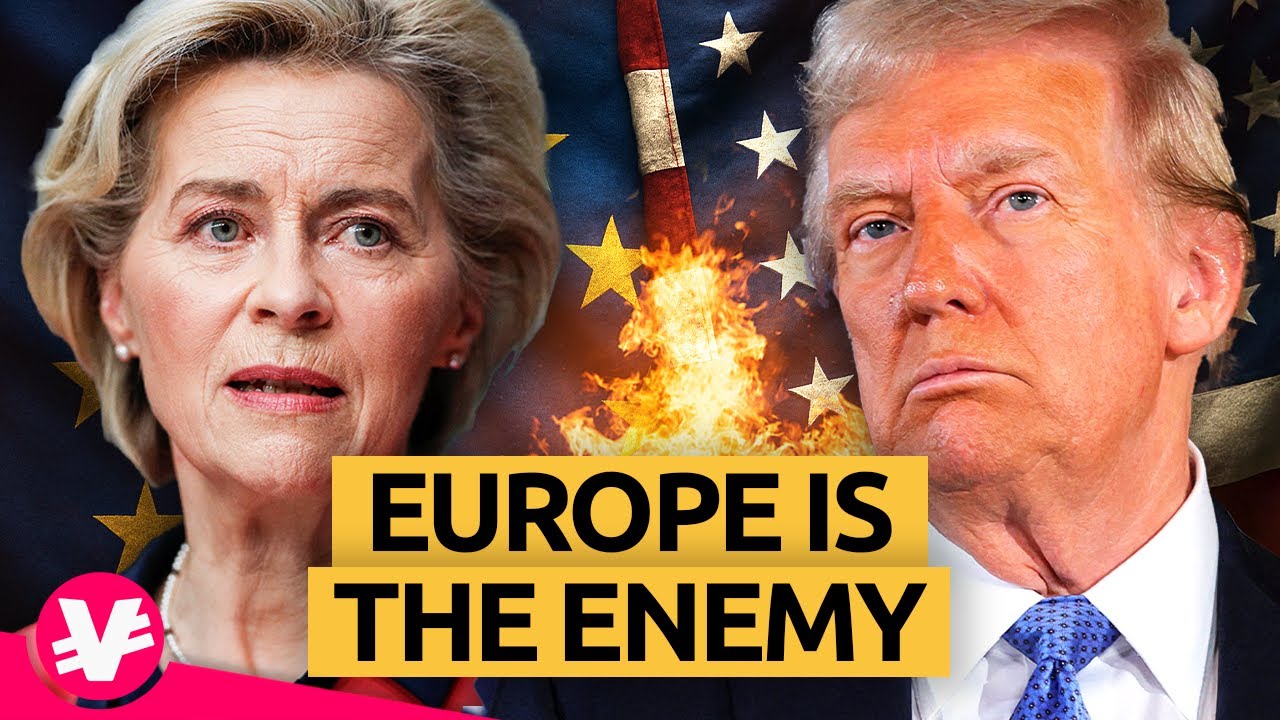
The Next Generation EU (NGEU) fund, an unprecedented European Union economic recovery package, was launched in 2020 to help member states recover from the economic and social impact of the COVID 19 pandemic. With a volume of €750 billion, divided into grants and loans, NGEU aims to make Europe greener, more digital and more resilient (European Commission, Recovery plan for Europe). However, the implementation and effectiveness of the programme have been met with controversy and criticism, leading some to call it the EU's ‘biggest scam’. This report analyses the reasons for this criticism, based on fraud cases, political tensions and economic doubts.

Fraud and misuse of funds
A key point of criticism is the high number of fraud cases affecting the programme. In April 2024, 22 people were arrested in Italy, Austria, Romania and Slovakia on charges of embezzling €600 million from the Italian National Recovery and Resilience Plan (NRRP), which is part of NGEU. The criminals used a network of accountants, service providers and notaries to fraudulently obtain non-repayable funds and transfer the money abroad.

Another case concerns the procurement of power generators for Ukraine, which was managed by the Polish government agency for strategic reserves (RARS). The European Anti-Fraud Office (OLAF) recommended the recovery of over €91 million due to serious irregularities, including inflated prices and a lack of competition (European Commission, OLAF completes investigation into suspected serious irregularities). These cases are not isolated: in 2022, OLAF recorded a 7% increase in fraud cases, with irregularities worth €1.77 billion. At the end of 2024, the European Public Prosecutor's Office (EPPO) was handling 311 active cases with an estimated €2.8 billion in damages to the EU budget, mostly related to NGEU (Balkan Insight, EU Fraud Keeps Rising as Prosecutors Investigate 38% More Cases in 2024).

Political controversies and delays
Besides the fraud cases, there were political tensions that delayed the implementation of NGEU. Poland and Hungary initially blocked the adoption of the fund due to concerns about the rule of law conditions. This led to delays in the disbursement of funds and political tensions within the EU (Wikipedia, Next Generation EU). Article 7 proceedings were opened against both countries, but their mutual support prevented sanctions, complicating the implementation of the fund (Wikipedia, Next Generation EU). These controversies show that NGEU was not only a technical financial instrument but also a political battleground, undermining confidence in the programme.

Scepticism from economists and political actors
Some economists and political actors express scepticism about the effectiveness and purpose of NGEU. A study from Comparative European Politics (2022) argues that the allocation of funds was based on existing economic and political vulnerabilities rather than the direct consequences of the pandemic. Countries with strong Euroscepticism and structural problems received the most funding per capita, regardless of the severity of the health crisis (Comparative European Politics, Voices from the past: economic and political vulnerabilities in the making of next generation EU). This could indicate that NGEU is more of a tool for stabilising weak economies, which some may see as a misuse of funds.

In Italy, the main recipient, there are doubts about the government's ability to use the funds efficiently. Although the government is celebrating the receipt of the fifth tranche of NGEU, the challenge remains of actually spending the funds and implementing the planned projects (Euractiv, Italy and the challenge of spending European funds). These difficulties underline the concern that NGEU may not deliver the promised results.


Featured


Marhabaan, welcome to the UAE and Dubai!

Marhabaan, welcome to the UAE and Dubai! The "skyward striving" Dubai next to ancient desert cities. Mysterious Bedouins and magnificent mosques exist peacefully alongside futuristic cities. Discover wadis and oases, golden sandy deserts, paradisiacal beaches and Arabian hospitality. The modern and the ancient Orient united in a book for dreaming.On this journey to Dubai and Abu Dhabi in the United Arab Emirates, the fairy tales of 1001 Arabian Nights meet the modern Arab world. These cascading cities enchant with their sky-high skyscrapers, fragrant souks, huge shopping centres and the ancient cultural heritage of the sheikhs.You can choose to stay in 4- or 5-star hotels with breakfast and swimming pools. You also have more options to book excursions so you can feel the magic of the East even more. If you want to do something out of the ordinary, you can spend an extra night in an enchanting hotel in the middle of the emirate's desert. Experience your own fairytale from 1001 nights and look forward to a holiday with plenty of casual extravagance in two superlative desert cities!

Trade and business at the Dubai Gold Souk

If Naif Deira is associated with a specific context, organization, or field, providing more details could help me offer more relevant information. Keep in mind that privacy considerations and ethical guidelines limit the amount of information available about private individuals, especially those who are not public figures. The Dubai Gold Souk is one of the most famous gold markets in the world and is located in the heart of Dubai's commercial business district in Deira. It's a traditional market where you can find a wide variety of gold, silver, and precious stone jewelry. The Gold Souk is known for its extensive selection of jewelry, including rings, bracelets, necklaces, and earrings, often crafted with intricate designs.Variety: The Gold Souk offers a vast array of jewelry designs, with a focus on gold. You can find items ranging from traditional to modern styles.Competitive Pricing: The market is known for its competitive pricing, and bargaining is a common practice. Prices are typically based on the weight of the gold and the craftsmanship involved.Gold and More: While gold is the primary focus, the souk also offers other precious metals such as silver and platinum, as well as a selection of gemstones.Cultural Experience: Visiting the Gold Souk provides not only a shopping experience but also a glimpse into the traditional trading culture of Dubai. The vibrant market is a popular destination for both tourists and locals.Security: The market is generally safe, and there are numerous shops with security measures in place. However, as with any crowded area, it's advisable to take standard precautions regarding personal belongings.Gold Souk is just one part of the larger Deira Souk complex, which also includes the Spice Souk and the Textile Souk. It's a must-visit for those interested in jewelry, and it reflects the rich cultural and trading history of Dubai.

Dubai: Amazing City Center, Night Walking Tour

During this excursion, we leisurely explore Dubai Downtown and Burj Khalifa in the evening, giving you the chance to witness the captivating transformation of the district as it comes alive with the vibrant glow of thousands of lights. As the sun sets, the illuminated facade of Burj Khalifa and the enchanting Dubai Fountain collaborate to produce a genuinely magical atmosphere.Dubai Downtown, also known as Downtown Dubai, is a distinguished and iconic district situated in the heart of Dubai, United Arab Emirates. It is a renowned neighborhood celebrated for its striking architecture, luxurious living, and exceptional entertainment options. At the core of Downtown Dubai stands the Burj Khalifa, a towering skyscraper that holds the title of the world's tallest man-made structure and serves as an emblem of modern Dubai.Burj Khalifa: The focal point of Downtown Dubai, Burj Khalifa, is famous for its groundbreaking height, reaching an impressive 828 meters (2,722 feet). Designed by architect Adrian Smith, its distinctive Y-shaped design encompasses a mix of residential, commercial, and hotel spaces.Dubai Mall: Adjacent to Burj Khalifa is the Dubai Mall, one of the largest shopping malls globally, featuring an extensive array of retail outlets, from high-end boutiques to international brands. The mall also provides various dining options, and entertainment attractions like an indoor ice rink and an aquarium, and hosts the mesmerizing Dubai Fountain.Dubai Fountain: Located just outside the Dubai Mall, the Dubai Fountain is a captivating attraction that presents a nightly spectacle of water, music, and light, captivating visitors with its perfectly synchronized performances.Emaar Boulevard: Stretching through Downtown Dubai, this boulevard is adorned with restaurants, cafes, and shops, making it a popular spot for leisurely strolls, dining, and people-watching.Luxury Living: Downtown Dubai boasts numerous upscale residential buildings and hotels, making it an appealing locale for those seeking a sophisticated urban lifestyle.Cultural Attractions: The Dubai Opera, an iconic cultural venue within the district, hosts a diverse range of performances, including opera, ballet, concerts, and theater productions.Transportation: Downtown Dubai is well-connected through public transportation, including the Dubai Metro, facilitating easy access to other parts of the city.In summary, Downtown Dubai is a dynamic and vibrant district that stands as a testament to Dubai's modernity and grandeur. It seamlessly combines architectural wonders with shopping, entertainment, and cultural offerings, creating a truly extraordinary destination.