The Prague Post - US tariff dispute: No winner

EUR -
AED 4.265018
AFN 73.164365
ALL 95.984408
AMD 438.161514
ANG 2.078485
AOA 1064.9476
ARS 1644.194061
AUD 1.643978
AWG 2.093314
AZN 1.976241
BAM 1.964688
BBD 2.339183
BDT 142.042616
BGN 1.913476
BHD 0.438345
BIF 3269.169352
BMD 1.161339
BND 1.487228
BOB 8.054021
BRL 6.044998
BSD 1.161414
BTN 107.135694
BWP 15.782587
BYN 3.394758
BYR 22762.244868
BZD 2.335666
CAD 1.578626
CDF 2508.492034
CHF 0.903545
CLF 0.026921
CLP 1062.997138
CNY 8.026131
CNH 8.006854
COP 4370.792324
CRC 552.882256
CUC 1.161339
CUP 30.775484
CVE 110.849219
CZK 24.360278
DJF 206.393051
DKK 7.47108
DOP 70.259233
DZD 152.768643
EGP 61.314287
ERN 17.420085
ETB 182.330711
FJD 2.561507
FKP 0.865868
GBP 0.865285
GEL 3.170779
GGP 0.865868
GHS 12.524983
GIP 0.865868
GMD 84.777707
GNF 10190.75001
GTQ 8.907994
GYD 242.981366
HKD 9.081549
HNL 30.868682
HRK 7.531981
HTG 152.153117
HUF 387.724069
IDR 19617.338792
ILS 3.602578
IMP 0.865868
INR 107.385304
IQD 1520.773452
IRR 1534012.71618
ISK 145.09754
JEP 0.865868
JMD 181.943917
JOD 0.823385
JPY 183.378336
KES 150.156059
KGS 101.559174
KHR 4662.776229
KMF 493.569554
KPW 1045.204775
KRW 1708.863903
KWD 0.357286
KYD 0.967887
KZT 578.346502
LAK 24777.168142
LBP 103997.909634
LKR 361.719573
LRD 212.525118
LSL 19.208356
LTL 3.429132
LVL 0.702482
LYD 7.415117
MAD 10.926748
MDL 20.127231
MGA 4854.397313
MKD 61.613196
MMK 2438.894557
MNT 4144.927437
MOP 9.349858
MRU 46.581564
MUR 53.595493
MVR 17.942852
MWK 2016.670191
MXN 20.551009
MYR 4.58383
MZN 74.221197
NAD 19.209044
NGN 1623.830144
NIO 42.632671
NOK 11.149122
NPR 171.417511
NZD 1.959818
OMR 0.446539
PAB 1.161455
PEN 4.05133
PGK 5.011171
PHP 68.884814
PKR 324.420344
PLN 4.249049
PYG 7473.876987
QAR 4.228427
RON 5.09677
RSD 117.425337
RUB 90.875244
RWF 1697.996542
SAR 4.359873
SBD 9.343184
SCR 15.774659
SDG 697.39312
SEK 10.622495
SGD 1.481259
SHP 0.871305
SLE 28.481821
SLL 24352.697907
SOS 663.709652
SRD 43.74416
STD 24037.37306
STN 25.026856
SVC 10.162062
SYP 128.420772
SZL 19.208617
THB 36.883826
TJS 11.131774
TMT 4.064687
TND 3.39095
TOP 2.796226
TRY 51.19705
TTD 7.880653
TWD 36.950358
TZS 2996.254949
UAH 51.041457
UGX 4372.782945
USD 1.161339
UYU 46.460593
UZS 14185.75567
VES 502.42505
VND 30517.0862
VUV 138.634464
WST 3.182637
XAF 658.938108
XAG 0.013282
XAU 0.000226
XCD 3.138577
XCG 2.09317
XDR 0.823103
XOF 657.317509
XPF 119.331742
YER 277.095098
ZAR 18.975461
ZMK 10453.442713
ZMW 22.445546
ZWL 373.950692
  • RBGPF

    0.1000

    82.5

    +0.12%

  • CMSD

    -0.0400

    23.16

    -0.17%

  • BCC

    -0.8600

    74.49

    -1.15%

  • RYCEF

    -0.3000

    16.7

    -1.8%

  • NGG

    0.5500

    90.41

    +0.61%

  • BCE

    -0.1800

    25.88

    -0.7%

  • RELX

    0.0000

    35.68

    0%

  • GSK

    1.0000

    55.51

    +1.8%

  • CMSC

    0.0350

    23.22

    +0.15%

  • AZN

    0.7300

    194.95

    +0.37%

  • RIO

    0.1400

    90.35

    +0.15%

  • JRI

    0.0100

    12.58

    +0.08%

  • BTI

    0.4600

    58.33

    +0.79%

  • VOD

    -0.0300

    14.48

    -0.21%

  • BP

    0.2100

    40.65

    +0.52%


US tariff dispute: No winner


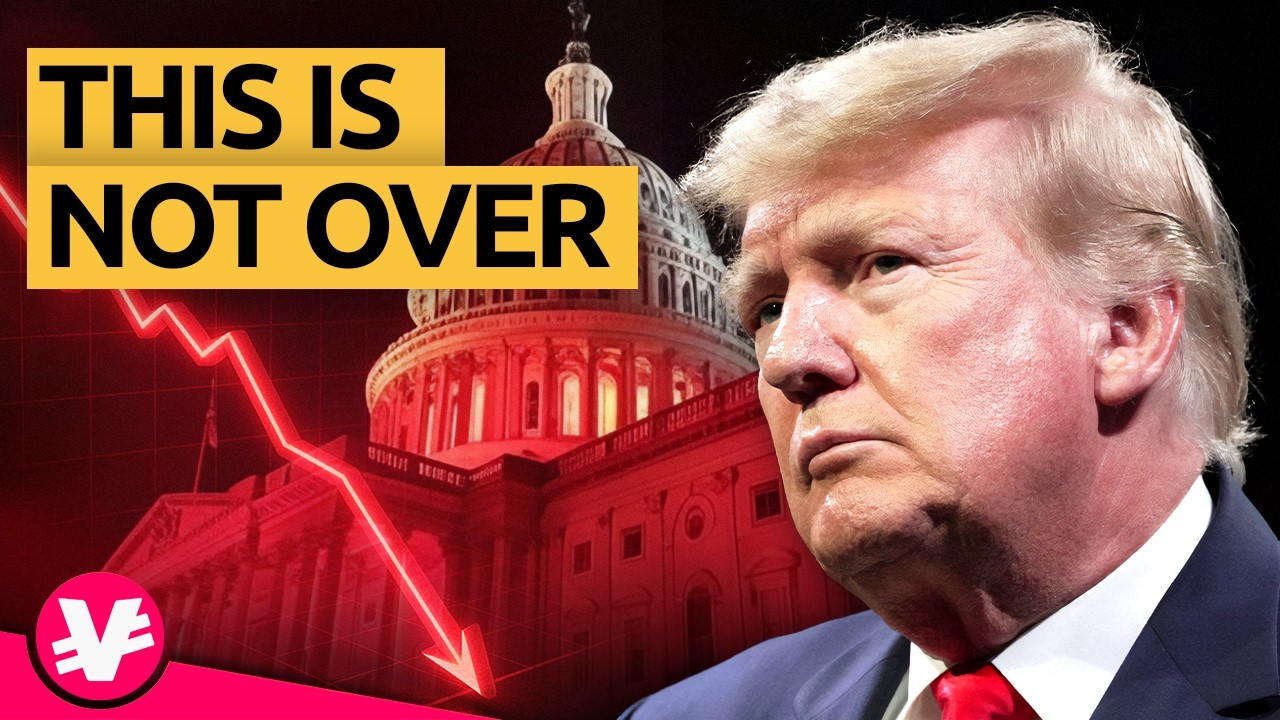
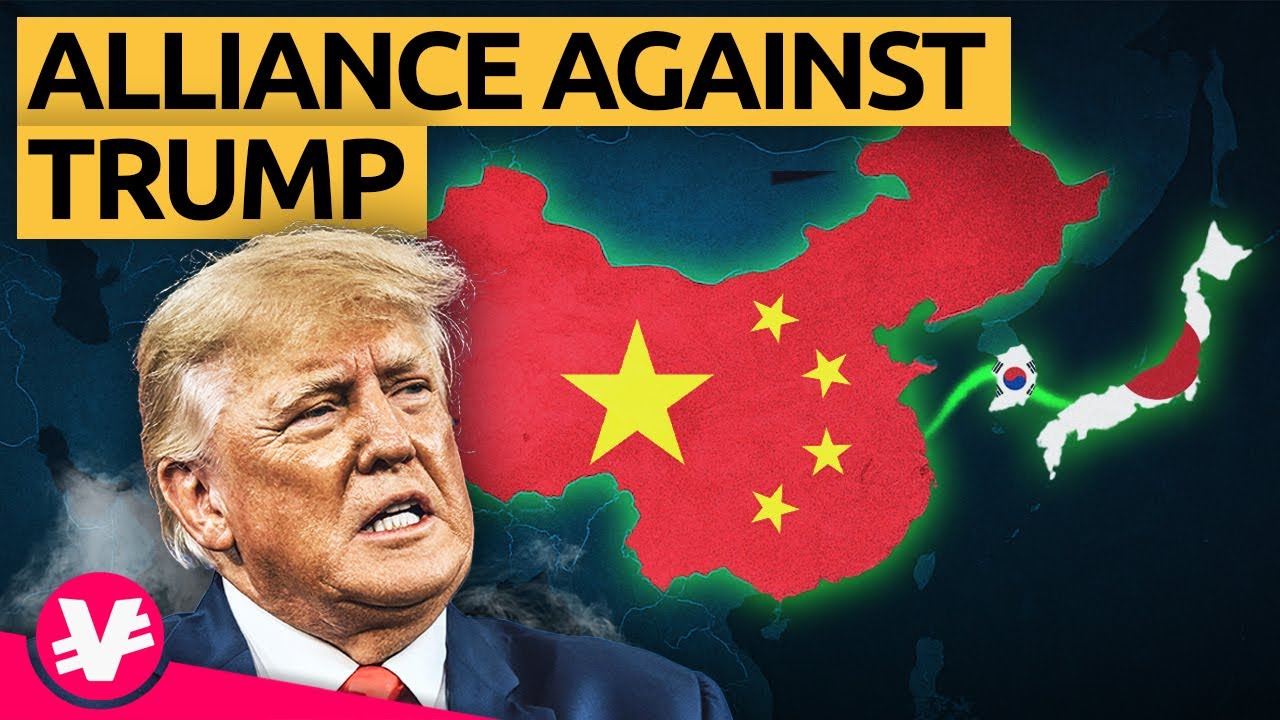
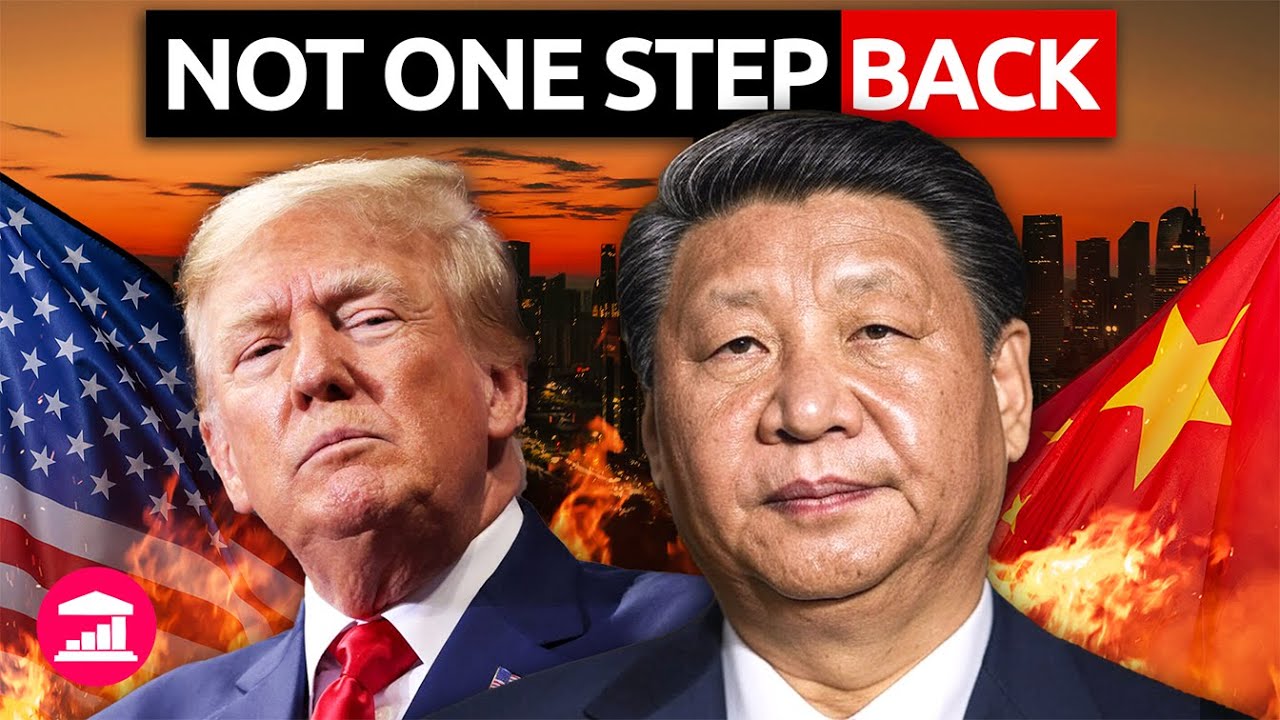
The trade conflict between the US and China, which began in 2018, has had a lasting impact on the global economy. Under the leadership of President Donald Trump and President Xi Jinping, a bitter tariff dispute developed, characterised by reciprocal punitive tariffs and countermeasures. In April 2025, both countries agreed to a temporary reduction in tariffs: the US reduced its tariffs on Chinese goods from 145% to 30%, while China reduced tariffs on US products from 125% to 10%. This 90-day agreement is seen as a step towards de-escalation, but a final resolution of the conflict remains elusive.

Origin and development
It all began in March 2018, when the US imposed tariffs on Chinese imports worth 50 billion dollars in order to reduce the trade deficit and protect domestic industries. China responded promptly with its own tariffs on US goods, triggering a spiral of escalation. Over the years, tariffs were imposed on goods worth hundreds of billions of dollars, ranging from technology products to agricultural goods and consumer goods. This conflict quickly became a central element of the geopolitical rivalry between the two superpowers.

The Phase One Agreement
A milestone was the ‘Phase One’ agreement in January 2020. China committed to purchasing an additional $200 billion worth of US goods over two years, including agricultural products and industrial goods. Improvements in intellectual property protection and a waiver of forced technology transfers were also agreed. However, implementation lagged behind: China did not fully meet its purchase commitments, which kept tensions high and prompted the US to consider new measures.

Current situation
The April 2025 agreement marks another attempt to defuse the conflict. Nevertheless, the situation remains fragile. China has intensified its trade relations with countries in Southeast Asia in order to reduce its dependence on the US market. At the same time, the US is threatening new tariffs on Chinese electric vehicles, which could reignite the dispute. These developments make it clear that the tariff dispute goes far beyond pure trade policy and is deeply embedded in strategic considerations.

Economic impact
The economic consequences are being felt by both sides. In the US, higher import prices have weighed on consumers, while companies are struggling with higher costs and disrupted supply chains. China has seen its economic growth slow, but has shown resilience thanks to diversified trading partnerships. The conflict has not only damaged bilateral relations, but also reshaped the global economy as both countries seek to minimise their mutual dependence.

Conclusion: A stalemate with no winners
The tariff dispute between Trump and Xi Jinping has not produced a clear winner. Although the US was able to force some concessions, China has strengthened its strategic position through diversification and technological independence. Both countries are paying a high economic price, and the latest tariff reduction is merely a temporary truce. The conflict remains an open chapter in the rivalry between the US and China, with neither side gaining the upper hand.
Featured


Marhabaan, welcome to the UAE and Dubai!

Marhabaan, welcome to the UAE and Dubai! The "skyward striving" Dubai next to ancient desert cities. Mysterious Bedouins and magnificent mosques exist peacefully alongside futuristic cities. Discover wadis and oases, golden sandy deserts, paradisiacal beaches and Arabian hospitality. The modern and the ancient Orient united in a book for dreaming.On this journey to Dubai and Abu Dhabi in the United Arab Emirates, the fairy tales of 1001 Arabian Nights meet the modern Arab world. These cascading cities enchant with their sky-high skyscrapers, fragrant souks, huge shopping centres and the ancient cultural heritage of the sheikhs.You can choose to stay in 4- or 5-star hotels with breakfast and swimming pools. You also have more options to book excursions so you can feel the magic of the East even more. If you want to do something out of the ordinary, you can spend an extra night in an enchanting hotel in the middle of the emirate's desert. Experience your own fairytale from 1001 nights and look forward to a holiday with plenty of casual extravagance in two superlative desert cities!

Trade and business at the Dubai Gold Souk

If Naif Deira is associated with a specific context, organization, or field, providing more details could help me offer more relevant information. Keep in mind that privacy considerations and ethical guidelines limit the amount of information available about private individuals, especially those who are not public figures. The Dubai Gold Souk is one of the most famous gold markets in the world and is located in the heart of Dubai's commercial business district in Deira. It's a traditional market where you can find a wide variety of gold, silver, and precious stone jewelry. The Gold Souk is known for its extensive selection of jewelry, including rings, bracelets, necklaces, and earrings, often crafted with intricate designs.Variety: The Gold Souk offers a vast array of jewelry designs, with a focus on gold. You can find items ranging from traditional to modern styles.Competitive Pricing: The market is known for its competitive pricing, and bargaining is a common practice. Prices are typically based on the weight of the gold and the craftsmanship involved.Gold and More: While gold is the primary focus, the souk also offers other precious metals such as silver and platinum, as well as a selection of gemstones.Cultural Experience: Visiting the Gold Souk provides not only a shopping experience but also a glimpse into the traditional trading culture of Dubai. The vibrant market is a popular destination for both tourists and locals.Security: The market is generally safe, and there are numerous shops with security measures in place. However, as with any crowded area, it's advisable to take standard precautions regarding personal belongings.Gold Souk is just one part of the larger Deira Souk complex, which also includes the Spice Souk and the Textile Souk. It's a must-visit for those interested in jewelry, and it reflects the rich cultural and trading history of Dubai.

Dubai: Amazing City Center, Night Walking Tour

During this excursion, we leisurely explore Dubai Downtown and Burj Khalifa in the evening, giving you the chance to witness the captivating transformation of the district as it comes alive with the vibrant glow of thousands of lights. As the sun sets, the illuminated facade of Burj Khalifa and the enchanting Dubai Fountain collaborate to produce a genuinely magical atmosphere.Dubai Downtown, also known as Downtown Dubai, is a distinguished and iconic district situated in the heart of Dubai, United Arab Emirates. It is a renowned neighborhood celebrated for its striking architecture, luxurious living, and exceptional entertainment options. At the core of Downtown Dubai stands the Burj Khalifa, a towering skyscraper that holds the title of the world's tallest man-made structure and serves as an emblem of modern Dubai.Burj Khalifa: The focal point of Downtown Dubai, Burj Khalifa, is famous for its groundbreaking height, reaching an impressive 828 meters (2,722 feet). Designed by architect Adrian Smith, its distinctive Y-shaped design encompasses a mix of residential, commercial, and hotel spaces.Dubai Mall: Adjacent to Burj Khalifa is the Dubai Mall, one of the largest shopping malls globally, featuring an extensive array of retail outlets, from high-end boutiques to international brands. The mall also provides various dining options, and entertainment attractions like an indoor ice rink and an aquarium, and hosts the mesmerizing Dubai Fountain.Dubai Fountain: Located just outside the Dubai Mall, the Dubai Fountain is a captivating attraction that presents a nightly spectacle of water, music, and light, captivating visitors with its perfectly synchronized performances.Emaar Boulevard: Stretching through Downtown Dubai, this boulevard is adorned with restaurants, cafes, and shops, making it a popular spot for leisurely strolls, dining, and people-watching.Luxury Living: Downtown Dubai boasts numerous upscale residential buildings and hotels, making it an appealing locale for those seeking a sophisticated urban lifestyle.Cultural Attractions: The Dubai Opera, an iconic cultural venue within the district, hosts a diverse range of performances, including opera, ballet, concerts, and theater productions.Transportation: Downtown Dubai is well-connected through public transportation, including the Dubai Metro, facilitating easy access to other parts of the city.In summary, Downtown Dubai is a dynamic and vibrant district that stands as a testament to Dubai's modernity and grandeur. It seamlessly combines architectural wonders with shopping, entertainment, and cultural offerings, creating a truly extraordinary destination.