Uzbek workers fill gap as Bulgarian population shrinks / Photo: Nikolay DOYCHINOV - AFP
Nilfar Nazarova used to work as an accountant in her native Uzbekistan but for the past four summers she has been cleaning hotel rooms in the Bulgarian Black Sea resort of Albena.
"The first year, there were very few Uzbeks. Today, around 100 of us come every season, attracted by the stable and regular salaries," Nazarova, who is in her forties and from the city of Bukhara, told AFP.
"We feel welcomed like family."
While workers from Central Asia and further afield have been arriving for years in Central and Eastern Europe, many locals of working age have been seeking their fortunes elsewhere since the fall of Communism.
Bulgaria's population has shrunk by almost a third since 1990 and the country's tourism sector -- which accounts for almost seven percent of the economy -- now relies on foreign workers.
Tens of thousands of positions in the sector remained unfilled at the start of the season, the hotel owners association said.
And a recent survey of companies found that eight out of 10 employers were facing labour shortages, most saying they were willing to hire workers from countries outside the European Union.
- Demographic impact -
About 20,000 Uzbeks, including seasonal workers, ply their trade in the Balkan nation, according to former government official Philip Gounev.
"At this rate, they could become a significant minority within five or six years," said Gounev, a former deputy interior minister who now runs a migrant labour employment agency.
That would potentially change the demographic makeup of Bulgaria, the EU's poorest country, he said.
Demand had surged in recent years, he added.
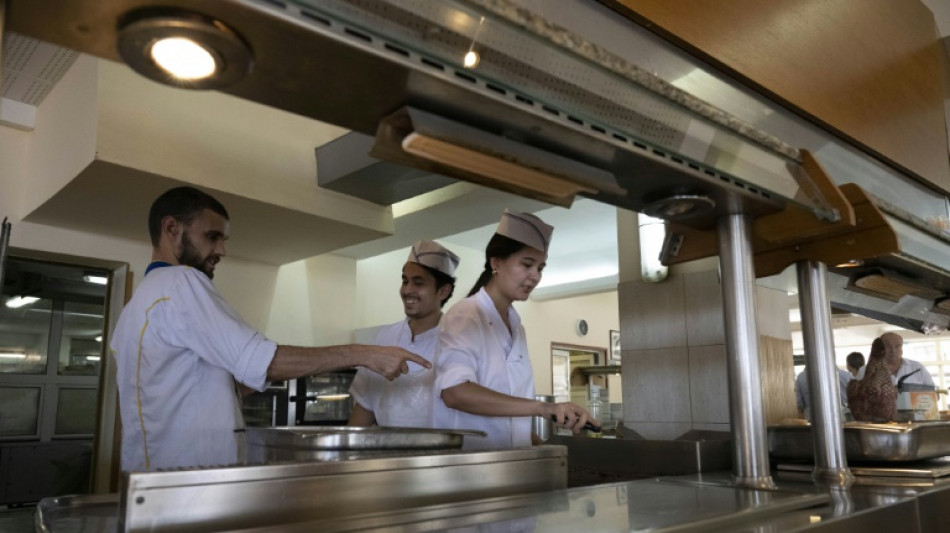
In Albena, popular with visitors from across the continent, workers from Uzbekistan, Kyrgyzstan, Indonesia and other countries have taken up jobs in hotels, kitchens and bars.
The resort, which was once the pride of the Communist regime and hosted Cuba's Fidel Castro, has escaped the real estate frenzy that has transformed much of Bulgaria's Black Sea coastline.
"The work is hard but the people are kind," Uzbek student Gulraykhan Muxanbetovna said as she bustled around the crowded restaurant of a four-star hotel overlooking the Black Sea.
The 20-year-old's Instagram posts about her life in Albena have garnered her a loyal following of thousands on the social media platform.
"It's interesting for people in my country. They want to come too," she said.
- 'Matter of survival' -
Resort manager Krasimira Stoyanova said workers from abroad received food, accommodation and "a salary several times higher than what they would earn in Uzbekistan".
"That's what motivates them... There, they earn $100 to $150 a month. Here, salaries start at $600 and can reach $800 or more," she said.
Many Uzbeks also speak Russian, an advantage in Bulgaria, which has historically had close ties with Moscow.
The government recognises the importance of attracting migrant workers and has made it easier for them to get visas, Gounev said -- even if bureaucracy can still be "cumbersome" and corruption can put off some people.
"It's a matter of survival for Bulgarian businesses," he said.
And not only for businesses.
Bulgaria has one of the world's fastest shrinking populations.
Most Bulgarians who leave the country do not return and nearly a quarter of the population is now over 65 years old.
U.Pospisil--TPP