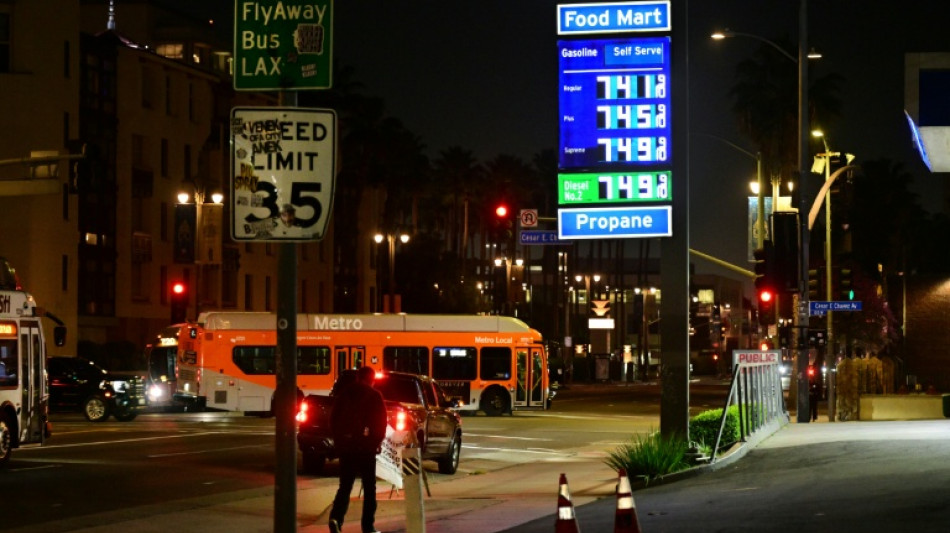
Iran war threatens Trump fight with inflation / Photo: Frederic J. BROWN - AFP
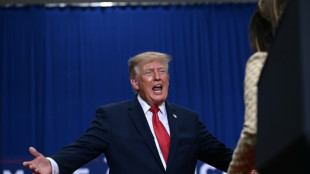
US-Israeli strikes in Iran, and Tehran's retaliation, are set to trigger a surge in US gas prices with a potential knock-on inflationary hit that could pile pressure on President Donald Trump domestically as midterm elections approach.
Economists warn that costs at the gas pump -- a politically sensitive issue -- could jump in just days, while inflation risks would make the Federal Reserve more cautious of cutting interest rates.
The conflict started with strikes over the weekend that killed the Iranian supreme leader, and oil prices have soared as the war disrupted supplies.
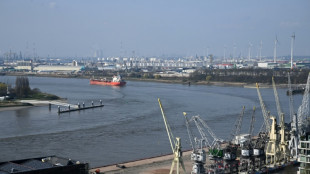
The crucial Strait of Hormuz, through which 20 percent of global oil transits, has been effectively closed and energy infrastructure across the Middle East hit.
"Prices at the pump are likely to rise within days," Oxford Economics lead analyst John Canavan told AFP.
Gas prices have been "slowly but steadily increasing since early January," he said, adding that "retailers are typically quick to respond to any developments pushing prices higher."
Already, the price of Brent crude has momentarily jumped to its highest level since July 2024.
Additional costs will stretch US households, threatening consumer spending which makes up two-thirds of US GDP, analysts say.
- 'Pain point' -
As steeper prices filter through the economy, this could mean higher fares on airlines and other modes of transport, alongside elevated logistic costs, said economist James Knightley of ING.
Even if the United States is self-sufficient in natural gas, these costs still take their cue from global markets. This means higher international prices could also push up electricity costs.
"This is undoubtedly going to be a pain point for the US economy," Knightley said.
The US energy sector might get a boost but that could be offset by a hit to consumer confidence that is already weak from tariff and job security worries.
"If you've suddenly got to spend a whole lot more filling up your gas tank and paying more for your utility bills, that's only going to intensify the pressure on consumer finances," he said.
All of this could weigh on US economic growth if the war lasts for more than a couple of weeks, he added.
The Trump administration is likely wary and will try to mitigate energy price hikes, Nationwide chief economist Kathy Bostjancic told AFP.
"They know affordability is an issue for many households," she said. "They're very aware and would be sensitive that higher gasoline prices would negatively impact consumer confidence and sentiment."
"That could show up in the voting booth in November," she added.
- Fed caution -
For the US central bank, the risk of higher inflation and the chance of weakening growth and employment pull policymakers in different directions.
While the Fed would be inclined to keep interest rates elevated to rein in inflation, a deteriorating economy could trigger the need for cuts.
"We'll have to wait and see," New York Fed President John Williams told reporters Tuesday.
While the conflict affects prices, he said: "We'll have to see how persistent this is and how long this is."
Higher rates in the meantime would mean elevated borrowing costs, sustaining the pressure that firms and consumers face.
Bostjancic expects that if the rise in oil prices is largely contained and reverses soon, the Fed would have reason and room to cut rates still.
"We haven't changed our baseline forecast yet," she added. She expects two rate cuts in 2026, starting mid-year.
Inflation risks could make rate cuts "a difficult sell" for the Fed for now, said ING's Knightley.
The bank has to "optimize policy for two very different goals" of low inflation and maximum employment, he added.
"I still think there is a case for rate cuts, but the near-term inflation dynamics mean that it's more likely to be delayed," he said.
J.Marek--TPP