The Prague Post - Up to 45% of dementia risk can be prevented, delayed: WHO

EUR -
AED 4.189911
AFN 75.298255
ALL 93.679245
AMD 417.484678
ANG 2.042484
AOA 1046.765493
ARS 1677.634262
AUD 1.633715
AWG 2.053599
AZN 1.955334
BAM 1.954315
BBD 2.297585
BDT 140.623173
BGN 1.959485
BHD 0.430181
BIF 3403.359312
BMD 1.140888
BND 1.474106
BOB 7.899321
BRL 5.796966
BSD 1.140748
BTN 109.74611
BWP 15.4913
BYN 3.289644
BYR 22361.410677
BZD 2.294297
CAD 1.605384
CDF 2578.407608
CHF 0.925534
CLF 0.026839
CLP 1056.291592
CNY 7.72467
CNH 7.730288
COP 3720.744786
CRC 517.913365
CUC 1.140888
CUP 30.23354
CVE 110.181298
CZK 24.232583
DJF 203.138352
DKK 7.475477
DOP 66.630259
DZD 151.972152
EGP 57.708186
ERN 17.113324
ETB 184.121656
FJD 2.539903
FKP 0.852586
GBP 0.851097
GEL 2.989658
GGP 0.852586
GHS 13.135252
GIP 0.852586
GMD 83.877676
GNF 10004.399944
GTQ 8.702427
GYD 238.661833
HKD 8.943366
HNL 30.549194
HRK 7.531455
HTG 149.098694
HUF 359.590916
IDR 20618.760843
ILS 3.423916
IMP 0.852586
INR 109.938677
IQD 1494.384407
IRR 1568864.023842
ISK 143.387447
JEP 0.852586
JMD 180.812642
JOD 0.808917
JPY 185.256302
KES 147.397806
KGS 99.770241
KHR 4609.579042
KMF 491.722757
KPW 1026.799547
KRW 1702.296109
KWD 0.353276
KYD 0.950582
KZT 537.198968
LAK 25787.861766
LBP 102153.387766
LKR 383.570294
LRD 207.043622
LSL 18.691383
LTL 3.368746
LVL 0.690111
LYD 7.308448
MAD 10.64975
MDL 20.053854
MGA 4850.400318
MKD 61.618705
MMK 2395.179593
MNT 4091.895325
MOP 9.210843
MRU 45.58397
MUR 53.759163
MVR 17.626893
MWK 1978.006034
MXN 19.884662
MYR 4.652771
MZN 72.90778
NAD 18.691546
NGN 1575.21324
NIO 41.97811
NOK 11.095236
NPR 175.594914
NZD 1.961084
OMR 0.438675
PAB 1.140753
PEN 3.882251
PGK 5.022229
PHP 70.377942
PKR 317.039023
PLN 4.32598
PYG 6918.744028
QAR 4.158741
RON 5.241582
RSD 117.400815
RUB 89.212367
RWF 1678.032601
SAR 4.285137
SBD 9.201311
SCR 15.197783
SDG 685.108056
SEK 11.046166
SGD 1.474154
SHP 0.851788
SLE 27.826559
SLL 23923.865584
SOS 651.916186
SRD 42.925358
STD 23614.084362
STN 24.481724
SVC 9.981417
SYP 126.104777
SZL 18.688049
THB 38.388558
TJS 10.517548
TMT 3.993109
TND 3.375536
TOP 2.746985
TRY 53.658296
TTD 7.74322
TWD 36.758739
TZS 3006.244117
UAH 51.055362
UGX 4214.853512
USD 1.140888
UYU 45.90573
UZS 13788.706404
VES 824.969769
VND 29954.592756
VUV 137.250325
WST 3.153373
XAF 655.470548
XAG 0.019631
XAU 0.000282
XCD 3.083307
XCG 2.055847
XDR 0.814026
XOF 655.459067
XPF 119.331742
YER 270.561402
ZAR 18.68891
ZMK 10269.361721
ZMW 20.778579
ZWL 367.365567
  • RBGPF

    0.0000

    67.35

    0%

  • CMSC

    0.0300

    22.12

    +0.14%

  • JRI

    -0.0165

    13.03

    -0.13%

  • RIO

    -0.8900

    92.4

    -0.96%

  • RELX

    1.0990

    33.749

    +3.26%

  • RYCEF

    -0.3300

    18.62

    -1.77%

  • NGG

    -0.1050

    83.305

    -0.13%

  • BP

    -0.3100

    41.09

    -0.75%

  • VOD

    -0.4000

    15.16

    -2.64%

  • BCE

    0.5900

    21.79

    +2.71%

  • GSK

    0.4350

    51.685

    +0.84%

  • CMSD

    0.0250

    22.355

    +0.11%

  • AZN

    4.3000

    168.8

    +2.55%

  • BTI

    1.1800

    59.38

    +1.99%

  • BCC

    3.6100

    77.7

    +4.65%

Up to 45% of dementia risk can be prevented, delayed: WHO
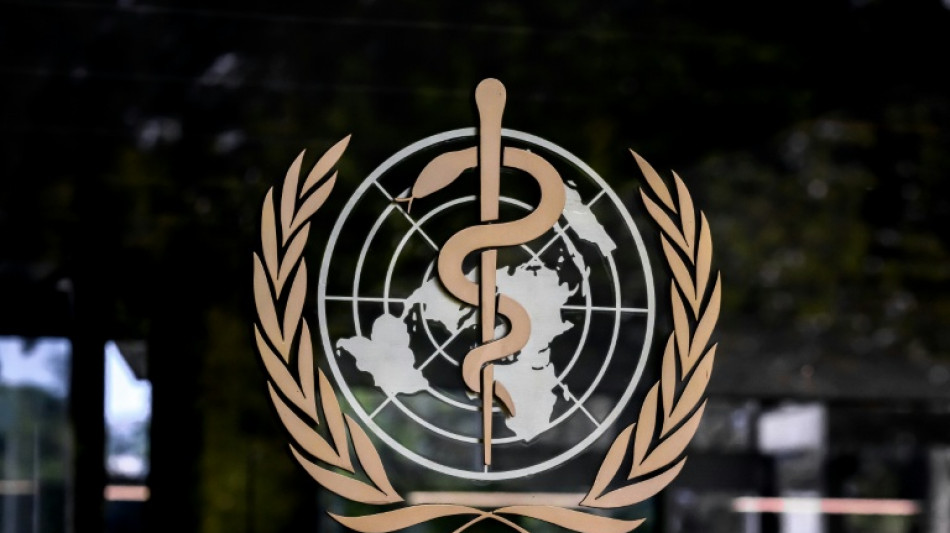
Up to 45% of dementia risk can be prevented, delayed: WHO / Photo: Fabrice COFFRINI - AFP

Up to 45% of dementia risk can be prevented, delayed: WHO

Up to 45 percent of dementia risk could be prevented or delayed, the World Health Organization said Wednesday, citing modifiable risk factors such as tobacco and air pollution.

Text size:

Dementia is the seventh leading cause of death and a major cause of disability and dependency among older people globally.

Dementia is caused by brain diseases and affects memory, thinking and the ability to function.

"While there is no cure for dementia, up to 45 percent of the risks can be attributed to modifiable risk factors such as tobacco, alcohol use, social isolation, physical inactivity, air pollution and noncommunicable diseases (NCDs), including high blood pressure and diabetes," the WHO said in a statement.

More than 57 million people live with dementia worldwide and nearly 10 million people get diagnosed every year, it said.

Alzheimer disease is the most common form of dementia and is estimated to account for 60 to 70 percent of cases.

"Behind these numbers are individuals, families, and communities navigating profound challenges that affect not only health, but dignity, independence, and well-being," said Devora Kestel, director of the WHO's NCDs and mental health department.

"This is not a distant issue; it touches all of us," she wrote in a foreword to updated WHO guidance published Wednesday on how health workers and policymakers can help prevent or delay the onset of dementia.

The UN health agency issued its first dementia recommendations in 2019, but said the evidence base had grown significantly since.

The guidelines aim to promote early awareness and intervention in a bid to reduce the burden of dementia in the coming decades, it said.

Although more common after 65, the condition is not an inevitable part of ageing, the WHO insisted.

- Focus on prevention -

"We know more today than ever before about what drives dementia risk, and these guidelines translate that knowledge into action," said WHO chief Tedros Adhanom Ghebreyesus.

"Countries now have clear, evidence-based recommendations they can put into practice immediately to protect people's cognitive health."

Because there is no cure for dementia or widely accessible treatment, the guidelines emphasised that prevention remains the most effective strategy to reduce the number oc cases.

Among other things, the WHO suggested cognitive stimulation and training for adults experiencing mild cognitive impairment.

The WHO said better management of conditions like hypertension, diabetes and high cholesterol could also help reduce dementia risk.

And it recommended stronger integration of services for NCDs, mental health and brain health.

The WHO insisted investments in reducing the dementia risk would pay dividends, with the condition estimated to cost the global economy $1.3 trillion annually -- around half of which is unpaid care provided by family and friends.

"Understanding risk factors and taking action to prevent dementia can improve health and quality of life, helping people live longer, healthier and more independent lives," it said.

K.Dudek--TPP