The Prague Post - Israel's Covert Nuclear Rise

EUR -
AED 4.276911
AFN 77.00261
ALL 96.561039
AMD 444.455439
ANG 2.084659
AOA 1067.918724
ARS 1670.580382
AUD 1.753592
AWG 2.099152
AZN 1.98201
BAM 1.955612
BBD 2.346285
BDT 142.406334
BGN 1.956282
BHD 0.439022
BIF 3441.169761
BMD 1.164578
BND 1.510655
BOB 8.078225
BRL 6.329131
BSD 1.164893
BTN 104.857487
BWP 15.497513
BYN 3.368991
BYR 22825.733483
BZD 2.342885
CAD 1.612865
CDF 2599.338258
CHF 0.937992
CLF 0.027397
CLP 1074.765709
CNY 8.235549
CNH 8.227437
COP 4451.018029
CRC 568.84541
CUC 1.164578
CUP 30.861323
CVE 110.254419
CZK 24.274232
DJF 207.440983
DKK 7.469133
DOP 74.682833
DZD 151.520998
EGP 55.351124
ERN 17.468674
ETB 181.088421
FJD 2.645691
FKP 0.873468
GBP 0.872491
GEL 3.138508
GGP 0.873468
GHS 13.308723
GIP 0.873468
GMD 85.589934
GNF 10126.028236
GTQ 8.923105
GYD 243.716611
HKD 9.061671
HNL 30.593578
HRK 7.535056
HTG 152.525363
HUF 384.021425
IDR 19437.858928
ILS 3.744486
IMP 0.873468
INR 104.745194
IQD 1525.597493
IRR 49057.858566
ISK 148.82132
JEP 0.873468
JMD 186.752078
JOD 0.825704
JPY 181.933909
KES 150.521616
KGS 101.84268
KHR 4663.572474
KMF 493.780761
KPW 1048.120262
KRW 1709.965829
KWD 0.357554
KYD 0.970811
KZT 595.26543
LAK 25263.683987
LBP 104326.769319
LKR 359.467046
LRD 205.609386
LSL 19.780687
LTL 3.438697
LVL 0.704442
LYD 6.33042
MAD 10.786908
MDL 19.751189
MGA 5194.501499
MKD 61.63435
MMK 2445.6481
MNT 4131.893999
MOP 9.335644
MRU 46.347949
MUR 53.745547
MVR 17.946518
MWK 2022.292297
MXN 21.261125
MYR 4.789875
MZN 74.418489
NAD 19.780687
NGN 1691.082209
NIO 42.865886
NOK 11.795012
NPR 167.772899
NZD 2.012281
OMR 0.447779
PAB 1.164888
PEN 3.916481
PGK 4.947009
PHP 69.07816
PKR 326.778058
PLN 4.238873
PYG 8011.265579
QAR 4.240204
RON 5.090026
RSD 117.41628
RUB 89.031619
RWF 1694.937342
SAR 4.370562
SBD 9.577286
SCR 15.828219
SDG 700.501887
SEK 10.920955
SGD 1.510499
SHP 0.873735
SLE 27.823965
SLL 24420.621214
SOS 665.555232
SRD 45.021424
STD 24104.418272
STN 24.497649
SVC 10.193066
SYP 12876.544773
SZL 19.775187
THB 37.066776
TJS 10.688028
TMT 4.076024
TND 3.421757
TOP 2.804025
TRY 49.586224
TTD 7.892276
TWD 36.271887
TZS 2853.216319
UAH 49.109787
UGX 4121.604462
USD 1.164578
UYU 45.505438
UZS 13967.719529
VES 300.002576
VND 30704.105269
VUV 141.895799
WST 3.247554
XAF 655.894056
XAG 0.019829
XAU 0.000277
XCD 3.147331
XCG 2.099508
XDR 0.815722
XOF 655.896872
XPF 119.331742
YER 277.810358
ZAR 19.844134
ZMK 10482.599985
ZMW 26.93853
ZWL 374.993718
  • CMSC

    -0.2100

    23.22

    -0.9%

  • BCC

    -1.2400

    71.81

    -1.73%

  • CMSD

    -0.0800

    23.17

    -0.35%

  • RBGPF

    0.7600

    79.11

    +0.96%

  • NGG

    -0.0800

    75.33

    -0.11%

  • JRI

    -0.0700

    13.72

    -0.51%

  • SCS

    -0.0200

    16.12

    -0.12%

  • RIO

    -0.0400

    73.02

    -0.05%

  • BCE

    -0.2100

    23.34

    -0.9%

  • GSK

    0.0600

    48.47

    +0.12%

  • AZN

    1.1000

    91.28

    +1.21%

  • RYCEF

    0.2100

    14.83

    +1.42%

  • RELX

    -0.8400

    39.48

    -2.13%

  • BTI

    0.4000

    57.41

    +0.7%

  • VOD

    0.0300

    12.5

    +0.24%

  • BP

    -0.0500

    35.78

    -0.14%


Israel's Covert Nuclear Rise


Israel’s emergence as a nuclear power is one of the most secretive and controversial developments in modern geopolitics. While the country has never officially confirmed or denied possessing nuclear weapons, it is widely believed to have developed a sophisticated nuclear arsenal. This article explores the key milestones and strategies that enabled Israel to become a nuclear power while maintaining a policy of deliberate ambiguity.

The Early Beginnings
The origins of Israel’s nuclear program trace back to the 1950s, shortly after the nation’s establishment in 1948. In 1952, the Israel Atomic Energy Commission was created, led by Ernst David Bergmann, a scientist who saw nuclear weapons as essential for Israel’s survival amid regional threats. The young nation, surrounded by hostile neighbors, sought a deterrent that could ensure its security.

A critical step occurred in the late 1950s when Israel began constructing the Dimona nuclear facility in the Negev desert. With significant assistance from France, which provided technology and expertise, the facility was built under a veil of secrecy. Officially labeled a "textile factory," Dimona became the heart of Israel’s nuclear ambitions. By the mid-1960s, it is believed that Israel had produced its first nuclear weapon, though no official records confirm this timeline.

The Policy of Nuclear Ambiguity
Central to Israel’s strategy is its policy of "nuclear ambiguity." This approach avoids explicit confirmation or denial of nuclear weapons possession, allowing Israel to maintain deterrence without triggering an arms race or international backlash. Israeli leaders have adhered to this stance for decades, rarely commenting on their capabilities. However, in 2006, then-Prime Minister Ehud Olmert briefly listed Israel among nuclear-armed states in an interview, a rare slip that was swiftly minimized.

The Whistleblower’s Revelation
The secrecy surrounding Dimona was shattered in 1986 when Mordechai Vanunu, a former technician at the facility, leaked photographs and details to the public. His revelations suggested that Israel possessed between 100 and 200 nuclear warheads, confirming suspicions about its capabilities. Vanunu’s actions led to his abduction by Israeli intelligence and an 18-year prison sentence, underscoring the lengths Israel would go to protect its nuclear program.

Advanced Delivery Systems
Israel’s nuclear arsenal is thought to be supported by a range of delivery systems. The Jericho series of ballistic missiles, initially developed with French assistance, can reportedly carry nuclear warheads over thousands of kilometers. Additionally, Israel’s fleet of Dolphin-class submarines, acquired from Germany, is rumored to be equipped with nuclear-tipped cruise missiles, offering a second-strike capability that enhances its deterrence.

International Stance and Regional Tensions
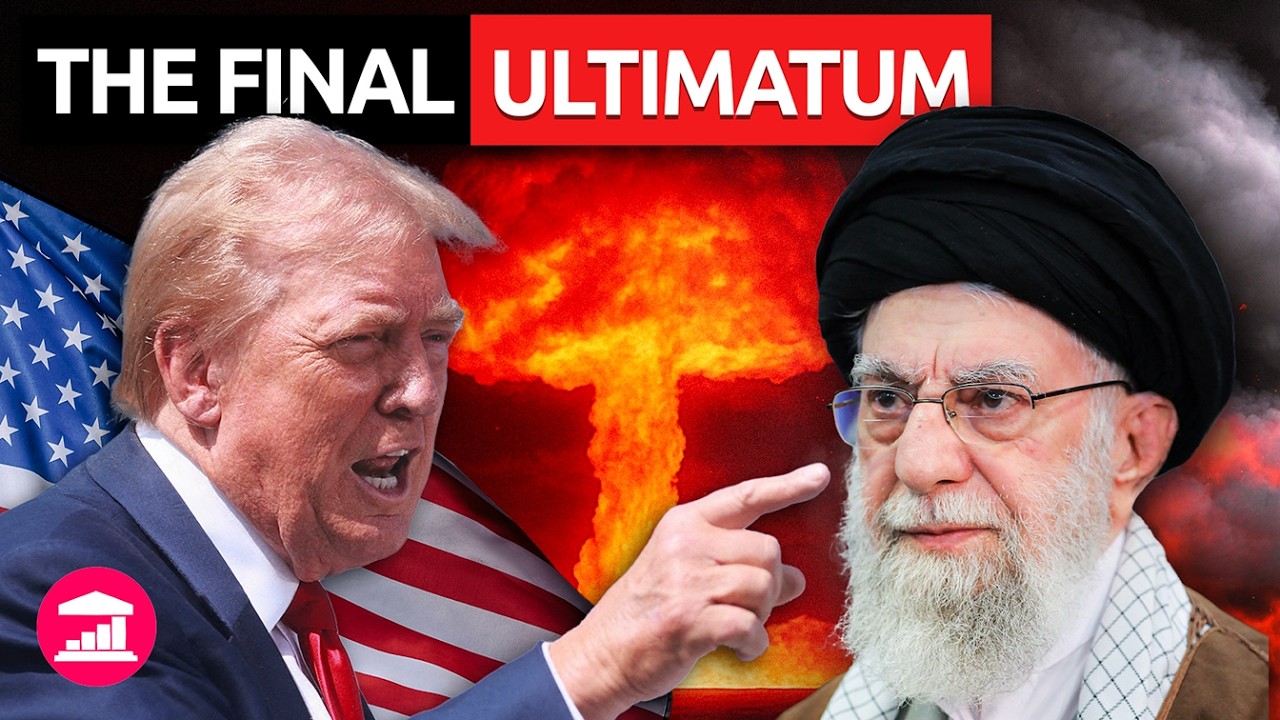
Israel has never joined the Nuclear Non-Proliferation Treaty (NPT), a decision that has drawn criticism, especially from regional rivals like Iran. Israeli officials maintain that they will not be the first to introduce nuclear weapons into the Middle East, a statement crafted to preserve ambiguity. In recent years, tensions with Iran over its nuclear program have spotlighted Israel’s own capabilities, with Israeli leaders advocating strong measures to prevent Tehran from achieving similar status.

A Lasting Legacy
Israel’s journey to nuclear power relied on strategic partnerships, covert operations, and a steadfast commitment to secrecy. While the full scope of its arsenal remains undisclosed, its status as a nuclear power is rarely questioned today. This reality continues to influence Middle Eastern geopolitics, shaping both regional dynamics and global efforts to curb nuclear proliferation.

Featured


Marhabaan, welcome to the UAE and Dubai!

Marhabaan, welcome to the UAE and Dubai! The "skyward striving" Dubai next to ancient desert cities. Mysterious Bedouins and magnificent mosques exist peacefully alongside futuristic cities. Discover wadis and oases, golden sandy deserts, paradisiacal beaches and Arabian hospitality. The modern and the ancient Orient united in a book for dreaming.On this journey to Dubai and Abu Dhabi in the United Arab Emirates, the fairy tales of 1001 Arabian Nights meet the modern Arab world. These cascading cities enchant with their sky-high skyscrapers, fragrant souks, huge shopping centres and the ancient cultural heritage of the sheikhs.You can choose to stay in 4- or 5-star hotels with breakfast and swimming pools. You also have more options to book excursions so you can feel the magic of the East even more. If you want to do something out of the ordinary, you can spend an extra night in an enchanting hotel in the middle of the emirate's desert. Experience your own fairytale from 1001 nights and look forward to a holiday with plenty of casual extravagance in two superlative desert cities!

Trade and business at the Dubai Gold Souk

If Naif Deira is associated with a specific context, organization, or field, providing more details could help me offer more relevant information. Keep in mind that privacy considerations and ethical guidelines limit the amount of information available about private individuals, especially those who are not public figures. The Dubai Gold Souk is one of the most famous gold markets in the world and is located in the heart of Dubai's commercial business district in Deira. It's a traditional market where you can find a wide variety of gold, silver, and precious stone jewelry. The Gold Souk is known for its extensive selection of jewelry, including rings, bracelets, necklaces, and earrings, often crafted with intricate designs.Variety: The Gold Souk offers a vast array of jewelry designs, with a focus on gold. You can find items ranging from traditional to modern styles.Competitive Pricing: The market is known for its competitive pricing, and bargaining is a common practice. Prices are typically based on the weight of the gold and the craftsmanship involved.Gold and More: While gold is the primary focus, the souk also offers other precious metals such as silver and platinum, as well as a selection of gemstones.Cultural Experience: Visiting the Gold Souk provides not only a shopping experience but also a glimpse into the traditional trading culture of Dubai. The vibrant market is a popular destination for both tourists and locals.Security: The market is generally safe, and there are numerous shops with security measures in place. However, as with any crowded area, it's advisable to take standard precautions regarding personal belongings.Gold Souk is just one part of the larger Deira Souk complex, which also includes the Spice Souk and the Textile Souk. It's a must-visit for those interested in jewelry, and it reflects the rich cultural and trading history of Dubai.

Dubai: Amazing City Center, Night Walking Tour

During this excursion, we leisurely explore Dubai Downtown and Burj Khalifa in the evening, giving you the chance to witness the captivating transformation of the district as it comes alive with the vibrant glow of thousands of lights. As the sun sets, the illuminated facade of Burj Khalifa and the enchanting Dubai Fountain collaborate to produce a genuinely magical atmosphere.Dubai Downtown, also known as Downtown Dubai, is a distinguished and iconic district situated in the heart of Dubai, United Arab Emirates. It is a renowned neighborhood celebrated for its striking architecture, luxurious living, and exceptional entertainment options. At the core of Downtown Dubai stands the Burj Khalifa, a towering skyscraper that holds the title of the world's tallest man-made structure and serves as an emblem of modern Dubai.Burj Khalifa: The focal point of Downtown Dubai, Burj Khalifa, is famous for its groundbreaking height, reaching an impressive 828 meters (2,722 feet). Designed by architect Adrian Smith, its distinctive Y-shaped design encompasses a mix of residential, commercial, and hotel spaces.Dubai Mall: Adjacent to Burj Khalifa is the Dubai Mall, one of the largest shopping malls globally, featuring an extensive array of retail outlets, from high-end boutiques to international brands. The mall also provides various dining options, and entertainment attractions like an indoor ice rink and an aquarium, and hosts the mesmerizing Dubai Fountain.Dubai Fountain: Located just outside the Dubai Mall, the Dubai Fountain is a captivating attraction that presents a nightly spectacle of water, music, and light, captivating visitors with its perfectly synchronized performances.Emaar Boulevard: Stretching through Downtown Dubai, this boulevard is adorned with restaurants, cafes, and shops, making it a popular spot for leisurely strolls, dining, and people-watching.Luxury Living: Downtown Dubai boasts numerous upscale residential buildings and hotels, making it an appealing locale for those seeking a sophisticated urban lifestyle.Cultural Attractions: The Dubai Opera, an iconic cultural venue within the district, hosts a diverse range of performances, including opera, ballet, concerts, and theater productions.Transportation: Downtown Dubai is well-connected through public transportation, including the Dubai Metro, facilitating easy access to other parts of the city.In summary, Downtown Dubai is a dynamic and vibrant district that stands as a testament to Dubai's modernity and grandeur. It seamlessly combines architectural wonders with shopping, entertainment, and cultural offerings, creating a truly extraordinary destination.