The Prague Post - Bitcoin slump stirs doubt

EUR -
AED 4.119277
AFN 72.35042
ALL 90.905699
AMD 404.670524
ANG 2.00752
AOA 1028.556445
ARS 1715.289321
AUD 1.595832
AWG 2.021782
AZN 1.909267
BAM 1.958077
BBD 2.257525
BDT 138.62118
BGN 1.960462
BHD 0.422992
BIF 3359.806562
BMD 1.121654
BND 1.432666
BOB 13.198346
BRL 5.569235
BSD 1.120903
BTN 106.353661
BWP 15.440954
BYN 3.291127
BYR 21984.422042
BZD 2.254221
CAD 1.571914
CDF 2597.751709
CHF 0.924518
CLF 0.028279
CLP 1106.466527
CNY 7.490462
CNH 7.479992
COP 3557.236121
CRC 511.494732
CUC 1.121654
CUP 26.900278
CVE 110.393358
CZK 24.324155
DJF 199.592073
DKK 7.474648
DOP 68.749938
DZD 150.678199
EGP 61.707405
ERN 16.824813
ETB 182.31168
FJD 2.50936
FKP 0.838781
GBP 0.838666
GEL 2.904465
GGP 0.838781
GHS 12.996111
GIP 0.838781
GMD 83.002704
GNF 9919.533782
GTQ 8.567962
GYD 234.752955
HKD 8.7971
HNL 30.091989
HRK 7.534264
HTG 146.900807
HUF 366.535252
IDR 20295.04259
ILS 3.483353
IMP 0.838781
INR 106.496019
IQD 1699.17569
IRR 2055291.088597
ISK 136.59501
JEP 0.838781
JMD 177.886835
JOD 0.795258
JPY 176.0655
KES 145.539223
KGS 98.087094
KHR 4579.324538
KMF 492.961399
KPW 1009.488724
KRW 1484.800745
KWD 0.348487
KYD 0.934086
KZT 508.911729
LAK 25222.326865
LBP 100372.406441
LKR 372.18275
LRD 191.102201
LSL 18.570192
LTL 3.311953
LVL 0.678477
LYD 7.178347
MAD 11.009601
MDL 20.231524
MGA 5068.893777
MKD 61.676714
MMK 2355.592952
MNT 4037.013109
MOP 9.055329
MRU 44.795085
MUR 52.897425
MVR 17.341321
MWK 1943.559844
MXN 20.983677
MYR 4.582293
MZN 71.676818
NAD 18.570192
NGN 1494.110467
NIO 41.24796
NOK 10.453548
NPR 170.165858
NZD 1.968346
OMR 0.431274
PAB 1.120803
PEN 3.849376
PGK 5.019837
PHP 71.35741
PKR 310.168143
PLN 4.401887
PYG 6482.537469
QAR 4.085751
RON 5.361281
RSD 117.63678
RUB 90.008863
RWF 1656.025518
SAR 4.209848
SBD 9.056886
SCR 15.744669
SDG 674.67927
SEK 11.136646
SGD 1.433687
SHP 0.838213
SLE 25.741766
SLL 23520.532382
SOS 640.544783
SRD 42.205628
STD 23215.977036
STN 24.52852
SVC 9.807403
SYP 14583.74737
SZL 18.569592
THB 37.877995
TJS 10.32871
TMT 3.937006
TND 3.346992
TOP 2.700674
TRY 55.816501
TTD 7.615855
TWD 36.550003
TZS 2967.450356
UAH 50.743401
UGX 4937.741281
USD 1.121654
UYU 44.952268
UZS 13413.596449
VES 986.818906
VND 28986.348297
VUV 133.053981
WST 3.104505
XAF 655.957
XAG 0.020828
XAU 0.000281397029
XCD 3.031326
XCG 2.020049
XDR 0.793068
XOF 655.957
XPF 119.331742
YER 264.825304
ZAR 18.653519
ZMK 10096.232709
ZMW 22.535202
ZWL 361.17219
SSP 6444.239519
MXV 2.368281
  • NGG

    -0.7800

    81.86

    -0.95%

  • AZN

    -1.0800

    171.49

    -0.63%

  • RIO

    -0.7200

    83.42

    -0.86%

  • BTI

    -0.9900

    59.48

    -1.66%

  • BP

    1.2700

    51.32

    +2.47%

  • GSK

    -0.4600

    50.75

    -0.91%

  • CMSC

    0.0000

    19.6

    0%

  • BCE

    -0.4100

    20.4

    -2.01%

  • RBGPF

    2.6200

    72.77

    +3.6%

  • CMSD

    0.1800

    19.78

    +0.91%

  • VOD

    -0.3800

    15.74

    -2.41%

  • BCC

    -0.5500

    77.74

    -0.71%

  • RYCEF

    -1.7500

    15.26

    -11.47%

  • RELX

    -0.0800

    40.54

    -0.2%

  • JRI

    0.0700

    10.75

    +0.65%


Bitcoin slump stirs doubt


The cryptocurrency that promised to replace central banks has just recorded the biggest single‐day drop in its history. In early February 2026, Bitcoin plummeted from around $72,000 to about $63,000 within hours, its sharpest one‑day fall since the November 2022 rout. According to exchange data, more than $1 billion in leveraged positions were liquidated during the plunge and roughly $2 trillion in crypto market value evaporated in the month leading up to the crash.

This freefall followed a record liquidation event in October 2025, when more than $19 billion worth of cryptocurrency bets were wiped out after U.S. trade tensions triggered panic selling. That 24‑hour wipeout was nine times larger than the February 2025 crash and dwarfed the FTX collapse. Bitcoin briefly dropped below $105,000 during the October chaos, and despite a partial recovery the seeds of doubt were sown.

Several factors converged to turn a routine correction into a historic rout:
Hawkish policy fears: Markets were rattled by expectations that U.S. monetary policy could tighten under a new Federal Reserve chair. Investors interpreted political appointments and hawkish rhetoric as a sign that money supply growth could slow, removing a key source of liquidity for speculative assets.

Leverage and liquidations: On‑chain data show a rapid unwinding of leverage. Futures open interest dropped from $61 billion to $49 billion within a week, a decline of more than 20 %. Analysts estimate that roughly $3–4 billion in positions were forcibly closed during the selloff.

Vanishing buyers: Unlike previous crashes triggered by a single news event, the 2026 decline was driven by a lack of demand. Market depth had fallen more than 30 % below its October peak, on par with the liquidity vacuum after the FTX collapse. Spot exchange‑traded funds bled billions of dollars as mainstream investors fled, and institutional treasuries eased purchases. A prolonged outflow of nearly $4 billion in the first five weeks of the year reversed the inflows that had fuelled the 2024 rally.

Changing narratives: Bitcoin’s reputation as “digital gold” took a hit. Despite geopolitical stress, currency weakness and violent swings in gold and silver, crypto prices failed to rally. As capital rotated into artificial‑intelligence stocks and precious metals, Bitcoin appeared to be yesterday’s story.

Policy shocks and tariffs: In October 2025 the U.S. administration imposed 100 % tariffs on Chinese imports. This sparked an exodus from risk assets, including cryptocurrencies, and set the stage for the later collapse. Analysts say the October crash cleaned out excessive leverage but left the market vulnerable.
Investor sentiment turns sour

Across forums and trading desks, the mood has shifted from bravado to resignation. Some investors derided Bitcoin as a “bubble” or compared it to imaginary game currency. Others likened the latest crash to gambling and warned that speculators would eventually be flushed out. Environmental concerns resurfaced; critics argued that mining costs now exceed the coin’s intrinsic value. The absence of dip‑buyers was notable: a culture that once rallied around “buy the dip” memes was strangely quiet.

Yet not everyone has given up. A cohort of long‑term believers view the drop as a chance to accumulate. They point to Bitcoin’s programmed scarcity and halving cycles and argue that regular dollar‑cost‑averaging has historically been rewarded. Indeed, after every bear‑market year since 2013, Bitcoin has staged a strong rebound: it rallied 35 % in 2015, 95 % in 2019 and 156 % in 2023. April tends to be a good month, with an average gain of 13 %, although there are no imminent halving‑driven catalysts until 2028. Some small investors are increasing their regular purchases during the downturn, betting that patience will pay off.

A crisis of confidence
The crash has amplified a broader crisis of confidence. Analysts note that Bitcoin is currently trading nearly three standard deviations below its 200‑day moving average, a level unseen in more than a decade. On 5 February the coin registered a −6.05σ move on a rate‑of‑change index, placing the drop among the fastest on record. Historical comparisons show that previous declines of this magnitude typically mark late‑stage stress, but they do not always signal a bottom.

Market depth remains thin, and liquidity contraction suggests that further downside is possible. Analysts warn that if prices continue to fall, miners could be forced to liquidate holdings to fund operations, potentially creating a vicious cycle. There is also renewed debate about the resilience of Bitcoin’s underlying technology: concerns about quantum‑computing threats and the energy cost of mining have resurfaced.

Looking ahead
Despite the gloom, some observers urge perspective. Bitcoin has survived multiple boom–bust cycles over its 17‑year existence, and each has ultimately attracted a broader base of users and infrastructure. The recent crash was driven by deleveraging rather than structural failure; 90‑day realised volatility remains well below levels seen in the 2022 bear market. Institutional adoption continues in areas such as stablecoins and tokenised assets, and on‑chain flows suggest that capital is rotating from smaller altcoins back into the flagship cryptocurrency.

Even so, recovery may be slow. Analysts at Kaiko estimate that crypto markets are only a quarter of the way through the current downcycle and expect it could take six to nine months before volumes and prices stabilise. Others caution that a new all‑time high may not arrive for several years. Until then, investors are left to decide whether Bitcoin’s historic crash is a buying opportunity or the beginning of a long slide into irrelevance.

Metric Value Context
Lowest price during Feb 2026 crash ≈$63,300 Weakest level since Oct 2024
One‑day price drop ~12.6 % Largest single‑day fall since Nov 2022
Positions liquidated >$1 billion Forced liquidation in 24 hours
Market value lost $2 trillion Crypto market loss since Oct 2025 peak
Futures open interest decline −20 % From $61 B to $49 B in a week
January 2026 decline −11 % Fourth straight monthly loss, longest streak since 2018
ETFs net outflows (early 2026) ≈$4 billion Reversal of 2024 inflows
Historic liquidations (Oct 2025) >$19 billion Largest crypto liquidation in history
Altcoin drawdowns during Oct 2025 crash HYPE −54 %, DOGE −62 %, AVAX −70 % Altcoins were hit harder than Bitcoin


Featured


Marhabaan, welcome to the UAE and Dubai!

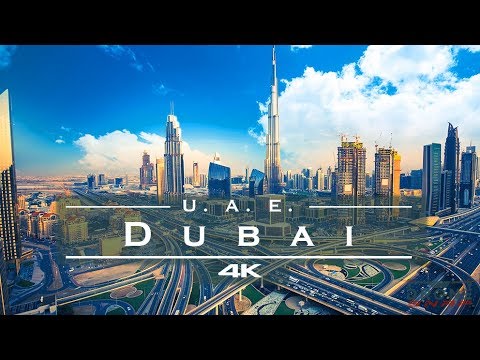
Marhabaan, welcome to the UAE and Dubai! The "skyward striving" Dubai next to ancient desert cities. Mysterious Bedouins and magnificent mosques exist peacefully alongside futuristic cities. Discover wadis and oases, golden sandy deserts, paradisiacal beaches and Arabian hospitality. The modern and the ancient Orient united in a book for dreaming.On this journey to Dubai and Abu Dhabi in the United Arab Emirates, the fairy tales of 1001 Arabian Nights meet the modern Arab world. These cascading cities enchant with their sky-high skyscrapers, fragrant souks, huge shopping centres and the ancient cultural heritage of the sheikhs.You can choose to stay in 4- or 5-star hotels with breakfast and swimming pools. You also have more options to book excursions so you can feel the magic of the East even more. If you want to do something out of the ordinary, you can spend an extra night in an enchanting hotel in the middle of the emirate's desert. Experience your own fairytale from 1001 nights and look forward to a holiday with plenty of casual extravagance in two superlative desert cities!

Trade and business at the Dubai Gold Souk

If Naif Deira is associated with a specific context, organization, or field, providing more details could help me offer more relevant information. Keep in mind that privacy considerations and ethical guidelines limit the amount of information available about private individuals, especially those who are not public figures. The Dubai Gold Souk is one of the most famous gold markets in the world and is located in the heart of Dubai's commercial business district in Deira. It's a traditional market where you can find a wide variety of gold, silver, and precious stone jewelry. The Gold Souk is known for its extensive selection of jewelry, including rings, bracelets, necklaces, and earrings, often crafted with intricate designs.Variety: The Gold Souk offers a vast array of jewelry designs, with a focus on gold. You can find items ranging from traditional to modern styles.Competitive Pricing: The market is known for its competitive pricing, and bargaining is a common practice. Prices are typically based on the weight of the gold and the craftsmanship involved.Gold and More: While gold is the primary focus, the souk also offers other precious metals such as silver and platinum, as well as a selection of gemstones.Cultural Experience: Visiting the Gold Souk provides not only a shopping experience but also a glimpse into the traditional trading culture of Dubai. The vibrant market is a popular destination for both tourists and locals.Security: The market is generally safe, and there are numerous shops with security measures in place. However, as with any crowded area, it's advisable to take standard precautions regarding personal belongings.Gold Souk is just one part of the larger Deira Souk complex, which also includes the Spice Souk and the Textile Souk. It's a must-visit for those interested in jewelry, and it reflects the rich cultural and trading history of Dubai.

Dubai: Amazing City Center, Night Walking Tour

During this excursion, we leisurely explore Dubai Downtown and Burj Khalifa in the evening, giving you the chance to witness the captivating transformation of the district as it comes alive with the vibrant glow of thousands of lights. As the sun sets, the illuminated facade of Burj Khalifa and the enchanting Dubai Fountain collaborate to produce a genuinely magical atmosphere.Dubai Downtown, also known as Downtown Dubai, is a distinguished and iconic district situated in the heart of Dubai, United Arab Emirates. It is a renowned neighborhood celebrated for its striking architecture, luxurious living, and exceptional entertainment options. At the core of Downtown Dubai stands the Burj Khalifa, a towering skyscraper that holds the title of the world's tallest man-made structure and serves as an emblem of modern Dubai.Burj Khalifa: The focal point of Downtown Dubai, Burj Khalifa, is famous for its groundbreaking height, reaching an impressive 828 meters (2,722 feet). Designed by architect Adrian Smith, its distinctive Y-shaped design encompasses a mix of residential, commercial, and hotel spaces.Dubai Mall: Adjacent to Burj Khalifa is the Dubai Mall, one of the largest shopping malls globally, featuring an extensive array of retail outlets, from high-end boutiques to international brands. The mall also provides various dining options, and entertainment attractions like an indoor ice rink and an aquarium, and hosts the mesmerizing Dubai Fountain.Dubai Fountain: Located just outside the Dubai Mall, the Dubai Fountain is a captivating attraction that presents a nightly spectacle of water, music, and light, captivating visitors with its perfectly synchronized performances.Emaar Boulevard: Stretching through Downtown Dubai, this boulevard is adorned with restaurants, cafes, and shops, making it a popular spot for leisurely strolls, dining, and people-watching.Luxury Living: Downtown Dubai boasts numerous upscale residential buildings and hotels, making it an appealing locale for those seeking a sophisticated urban lifestyle.Cultural Attractions: The Dubai Opera, an iconic cultural venue within the district, hosts a diverse range of performances, including opera, ballet, concerts, and theater productions.Transportation: Downtown Dubai is well-connected through public transportation, including the Dubai Metro, facilitating easy access to other parts of the city.In summary, Downtown Dubai is a dynamic and vibrant district that stands as a testament to Dubai's modernity and grandeur. It seamlessly combines architectural wonders with shopping, entertainment, and cultural offerings, creating a truly extraordinary destination.