The Prague Post - Fentanyl trade unravels

EUR -
AED 4.110102
AFN 72.735804
ALL 90.771756
AMD 403.674395
ANG 2.002782
AOA 1026.129808
ARS 1723.64436
AUD 1.592813
AWG 2.014212
AZN 1.904927
BAM 1.955209
BBD 2.253929
BDT 138.656856
BGN 1.955835
BHD 0.422269
BIF 3355.341938
BMD 1.119007
BND 1.432854
BOB 13.266872
BRL 6.060984
BSD 1.119067
BTN 106.460874
BWP 15.437197
BYN 3.291776
BYR 21932.533595
BZD 2.2507
CAD 1.568232
CDF 2590.501063
CHF 0.925105
CLF 0.028028
CLP 1106.597134
CNY 7.472783
CNH 7.461
COP 3520.887806
CRC 509.441485
CUC 1.119007
CUP 26.857883
CVE 110.231686
CZK 24.347742
DJF 198.870182
DKK 7.474271
DOP 68.489301
DZD 151.14379
EGP 62.949947
ERN 16.785102
ETB 183.297966
FJD 2.501761
FKP 0.83669
GBP 0.837828
GEL 2.898111
GGP 0.83669
GHS 13.008422
GIP 0.83669
GMD 82.806903
GNF 9904.051072
GTQ 8.554338
GYD 234.49913
HKD 8.779162
HNL 30.04492
HRK 7.534163
HTG 146.574393
HUF 367.311714
IDR 20304.378677
ILS 3.451179
IMP 0.83669
INR 106.467624
IQD 1695.387623
IRR 2050440.114277
ISK 136.395521
JEP 0.83669
JMD 177.666306
JOD 0.793356
JPY 176.164685
KES 145.302691
KGS 97.857287
KHR 4562.580333
KMF 491.794032
KPW 1007.106091
KRW 1483.176106
KWD 0.347709
KYD 0.93261
KZT 504.642978
LAK 25186.163213
LBP 100212.218523
LKR 371.837624
LRD 190.240806
LSL 18.610709
LTL 3.304136
LVL 0.676876
LYD 7.175831
MAD 10.992029
MDL 20.109743
MGA 5082.418583
MKD 61.505844
MMK 2349.748126
MNT 4027.299553
MOP 9.043186
MRU 45.0004
MUR 52.739
MVR 17.299538
MWK 1940.496206
MXN 20.76762
MYR 4.572377
MZN 71.516168
NAD 18.610875
NGN 1506.608692
NIO 41.177555
NOK 10.41595
NPR 170.336999
NZD 1.966378
OMR 0.430254
PAB 1.119052
PEN 3.8579
PGK 5.090439
PHP 71.534192
PKR 309.67581
PLN 4.403488
PYG 6451.050377
QAR 4.090764
RON 5.348291
RSD 117.513651
RUB 90.417779
RWF 1654.585168
SAR 4.190386
SBD 9.03551
SCR 15.50473
SDG 673.078465
SEK 11.124268
SGD 1.432737
SHP 0.836234
SLE 25.680921
SLL 23465.018351
SOS 639.501016
SRD 42.177578
STD 23161.181827
STN 24.492707
SVC 9.792084
SYP 14549.32627
SZL 18.604211
THB 37.789418
TJS 10.32348
TMT 3.927714
TND 3.34289
TOP 2.6943
TRY 55.683456
TTD 7.605633
TWD 36.43341
TZS 2959.776408
UAH 51.091431
UGX 5013.529625
USD 1.119007
UYU 44.876438
UZS 13392.952409
VES 984.489771
VND 28917.933644
VUV 132.928606
WST 3.097178
XAF 655.957
XAG 0.020676
XAU 0.000278300022
XCD 3.024172
XCG 2.016872
XDR 0.791196
XOF 655.957
XPF 119.331742
YER 264.1965
ZAR 18.608406
ZMK 10072.402218
ZMW 22.531989
ZWL 360.319738
SSP 6429.029586
MXV 2.343019
  • RBGPF

    0.3800

    70.53

    +0.54%

  • RYCEF

    0.6000

    16.1

    +3.73%

  • CMSC

    0.0990

    19.699

    +0.5%

  • VOD

    -0.0550

    15.685

    -0.35%

  • RIO

    0.4750

    83.895

    +0.57%

  • AZN

    -0.4900

    171

    -0.29%

  • RELX

    -0.5000

    40.04

    -1.25%

  • NGG

    -0.1100

    81.75

    -0.13%

  • BTI

    0.5550

    60.035

    +0.92%

  • GSK

    0.3450

    51.095

    +0.68%

  • BP

    -0.6600

    50.66

    -1.3%

  • BCC

    -2.4350

    75.305

    -3.23%

  • BCE

    -0.2550

    20.145

    -1.27%

  • CMSD

    -0.0800

    19.7

    -0.41%

  • JRI

    0.0500

    10.8

    +0.46%


Fentanyl trade unravels


Fentanyl, a synthetic opioid up to 50 times more powerful than heroin, has been at the centre of a catastrophic overdose crisis. After years of relentless expansion, the market that once claimed tens of thousands of lives annually is contracting. Preliminary data from the United States Centers for Disease Control and Prevention (CDC) indicate that estimated drug overdose deaths fell to about 80,000 in 2024, a 27 per cent decline from the record of more than 110,000 in 2023, signalling the largest one‑year drop in modern history. This article examines why the fentanyl business is faltering, exploring the interlocking impacts of supply‑chain disruption, international diplomacy, law‑enforcement operations and public‑health initiatives.

From Peak to Downturn
During the early 2020s, illicitly manufactured fentanyl flooded the North American drug market, becoming the leading cause of overdose deaths. The pandemic exacerbated the situation: social isolation and disrupted addiction treatment services contributed to a spike of nearly 110,000 U.S. overdose deaths in 2023. Most of those deaths involved fentanyl, which dealers used to replace or adulterate heroin, counterfeit prescription pills and cocaine. Yet by 2024 the tide had turned. CDC data show that overdose deaths fell by roughly 30,000 in one year, and preliminary numbers for 2025 suggest the decline is continuing. The decrease extends across most U.S. states, with notable reductions in Ohio and West Virginia. Such a sustained downward trend had not been seen in decades and prompted researchers to look beyond domestic policy interventions for an explanation.

Supply‑Chain Disruption and China’s Crackdown
One of the most significant drivers of the decline appears to be a disruption in the global supply of fentanyl and its precursors. Researchers analysing death trends in the United States and Canada found evidence of a sudden shortage of fentanyl on illicit markets beginning in mid‑2023. A Science journal study led by scholars at Stanford and the University of Maryland concluded that Chinese enforcement actions against chemical suppliers have curtailed exports of fentanyl precursors. Officials in Beijing shut down hundreds of companies, removed tens of thousands of online advertisements and arrested about 300 people after agreements with Washington to restrict the trade. The research suggests these moves reduced the availability of 4‑fluoroisobutyryl fentanyl and other precursors, causing the purity of seized fentanyl to fall and the price to rise. According to the DEA’s 2025 National Drug Threat Assessment, some Chinese suppliers have become wary of shipping controlled chemicals, aware that their government is enforcing updated counter‑narcotics treaties. Mexican fentanyl cooks report difficulty obtaining key precursors and are increasingly relying on designer chemicals to circumvent regulations.

Cartel Disruption and Enforcement
While precursor shortages have choked production, targeted law‑enforcement operations have also shaken the industry. White papers from the National Security Data and Policy Institute detail how the capture of Ovidio Guzmán López — a senior Sinaloa Cartel figure and son of Joaquín "El Chapo" Guzmán — in 2023 destabilised the cartel’s synthetic‑drug division. Experts point to a correlation between cartel ‘decapitation’ operations and sharp but temporary declines in fentanyl seizures and overdose deaths. The killing of Nemesio Oseguera Cervantes, leader of the Jalisco New Generation Cartel in late 2025, likewise rattled the market, although researchers caution that rival factions can quickly reconstitute production. The National Drug Threat Assessment notes that the Sinaloa and Jalisco cartels continue to dominate fentanyl production, but they face greater risk as Mexican and U.S. authorities cooperate to target laboratories and intercept shipments at the southwest border. Seizures at border crossings dropped from 29,000 kilograms in 2023 to 23,000 kilograms in 2024, reinforcing evidence of a supply contraction.

Public‑Health Measures and Changing Behaviour
The contraction of the fentanyl trade has amplified the effect of public‑health interventions. Increased distribution of the overdose‑reversal drug naloxone, expansion of medication‑assisted treatment programmes and billions of dollars in opioid settlement funds have collectively improved survival rates. Harm‑reduction services such as supervised consumption sites and drug‑checking kits have proliferated in major cities, allowing users to detect dangerous adulterants like xylazine and medetomidine. Younger Americans appear less likely to initiate opioid use than previous cohorts, and some long‑term users have died or shifted consumption patterns. These behavioural changes mean that a shrinking pool of susceptible individuals is exposed to an increasingly fragmented drug supply.

An Evolving Drug Market
Despite the current downturn, the illicit drug market is far from static. The DEA warns that declining fentanyl purity does not equate to reduced danger. To compensate for shortages, traffickers are mixing fentanyl with veterinary tranquilizers and new synthetic opioids such as nitazenes, which can be even more potent. The National Security Data and Policy Institute notes that precursor chemicals still arrive in Mexico’s Pacific ports such as Manzanillo, and cartels are diversifying sourcing through India and alternative trans‑shipment points. According to the DEA, the presence of xylazine in seized powder has risen steadily since 2020, increasing the risk of fatal respiratory depression and flesh‑rotting wounds. Nitazene analogues and other novel substances are appearing in toxicology reports at an accelerating rate in 2026, underscoring how quickly manufacturers pivot when confronted with enforcement pressure.

The sharp decline in fentanyl‑related deaths offers a glimmer of hope after years of escalating tragedy, but it is not a definitive victory. The current contraction appears to be driven primarily by disruptions in precursor supply, strategic cartel‑targeting operations and strengthened public‑health responses. Yet the same agility that allowed traffickers to flood markets with fentanyl enables them to adapt to enforcement, shifting to new chemicals, routes and business models. Sustained reductions in opioid mortality will require international cooperation to control chemical exports, continued pressure on manufacturing networks, wider access to treatment and harm‑reduction services, and public education to deter drug initiation. As policy makers debate how to allocate resources, the lesson of the fentanyl collapse is clear: comprehensive, co‑ordinated action across borders and disciplines can save lives.


Featured


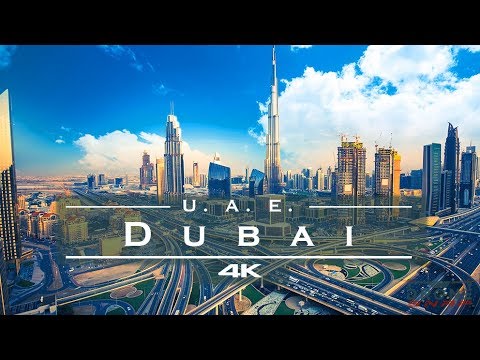
Marhabaan, welcome to the UAE and Dubai!

Marhabaan, welcome to the UAE and Dubai! The "skyward striving" Dubai next to ancient desert cities. Mysterious Bedouins and magnificent mosques exist peacefully alongside futuristic cities. Discover wadis and oases, golden sandy deserts, paradisiacal beaches and Arabian hospitality. The modern and the ancient Orient united in a book for dreaming.On this journey to Dubai and Abu Dhabi in the United Arab Emirates, the fairy tales of 1001 Arabian Nights meet the modern Arab world. These cascading cities enchant with their sky-high skyscrapers, fragrant souks, huge shopping centres and the ancient cultural heritage of the sheikhs.You can choose to stay in 4- or 5-star hotels with breakfast and swimming pools. You also have more options to book excursions so you can feel the magic of the East even more. If you want to do something out of the ordinary, you can spend an extra night in an enchanting hotel in the middle of the emirate's desert. Experience your own fairytale from 1001 nights and look forward to a holiday with plenty of casual extravagance in two superlative desert cities!

Trade and business at the Dubai Gold Souk

If Naif Deira is associated with a specific context, organization, or field, providing more details could help me offer more relevant information. Keep in mind that privacy considerations and ethical guidelines limit the amount of information available about private individuals, especially those who are not public figures. The Dubai Gold Souk is one of the most famous gold markets in the world and is located in the heart of Dubai's commercial business district in Deira. It's a traditional market where you can find a wide variety of gold, silver, and precious stone jewelry. The Gold Souk is known for its extensive selection of jewelry, including rings, bracelets, necklaces, and earrings, often crafted with intricate designs.Variety: The Gold Souk offers a vast array of jewelry designs, with a focus on gold. You can find items ranging from traditional to modern styles.Competitive Pricing: The market is known for its competitive pricing, and bargaining is a common practice. Prices are typically based on the weight of the gold and the craftsmanship involved.Gold and More: While gold is the primary focus, the souk also offers other precious metals such as silver and platinum, as well as a selection of gemstones.Cultural Experience: Visiting the Gold Souk provides not only a shopping experience but also a glimpse into the traditional trading culture of Dubai. The vibrant market is a popular destination for both tourists and locals.Security: The market is generally safe, and there are numerous shops with security measures in place. However, as with any crowded area, it's advisable to take standard precautions regarding personal belongings.Gold Souk is just one part of the larger Deira Souk complex, which also includes the Spice Souk and the Textile Souk. It's a must-visit for those interested in jewelry, and it reflects the rich cultural and trading history of Dubai.

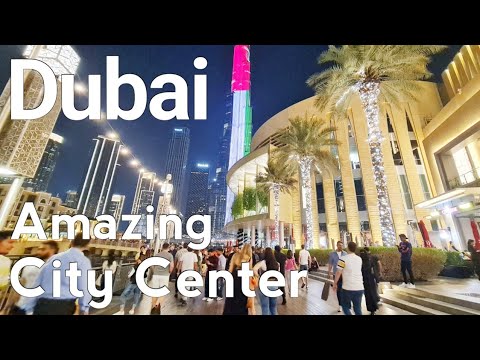
Dubai: Amazing City Center, Night Walking Tour

During this excursion, we leisurely explore Dubai Downtown and Burj Khalifa in the evening, giving you the chance to witness the captivating transformation of the district as it comes alive with the vibrant glow of thousands of lights. As the sun sets, the illuminated facade of Burj Khalifa and the enchanting Dubai Fountain collaborate to produce a genuinely magical atmosphere.Dubai Downtown, also known as Downtown Dubai, is a distinguished and iconic district situated in the heart of Dubai, United Arab Emirates. It is a renowned neighborhood celebrated for its striking architecture, luxurious living, and exceptional entertainment options. At the core of Downtown Dubai stands the Burj Khalifa, a towering skyscraper that holds the title of the world's tallest man-made structure and serves as an emblem of modern Dubai.Burj Khalifa: The focal point of Downtown Dubai, Burj Khalifa, is famous for its groundbreaking height, reaching an impressive 828 meters (2,722 feet). Designed by architect Adrian Smith, its distinctive Y-shaped design encompasses a mix of residential, commercial, and hotel spaces.Dubai Mall: Adjacent to Burj Khalifa is the Dubai Mall, one of the largest shopping malls globally, featuring an extensive array of retail outlets, from high-end boutiques to international brands. The mall also provides various dining options, and entertainment attractions like an indoor ice rink and an aquarium, and hosts the mesmerizing Dubai Fountain.Dubai Fountain: Located just outside the Dubai Mall, the Dubai Fountain is a captivating attraction that presents a nightly spectacle of water, music, and light, captivating visitors with its perfectly synchronized performances.Emaar Boulevard: Stretching through Downtown Dubai, this boulevard is adorned with restaurants, cafes, and shops, making it a popular spot for leisurely strolls, dining, and people-watching.Luxury Living: Downtown Dubai boasts numerous upscale residential buildings and hotels, making it an appealing locale for those seeking a sophisticated urban lifestyle.Cultural Attractions: The Dubai Opera, an iconic cultural venue within the district, hosts a diverse range of performances, including opera, ballet, concerts, and theater productions.Transportation: Downtown Dubai is well-connected through public transportation, including the Dubai Metro, facilitating easy access to other parts of the city.In summary, Downtown Dubai is a dynamic and vibrant district that stands as a testament to Dubai's modernity and grandeur. It seamlessly combines architectural wonders with shopping, entertainment, and cultural offerings, creating a truly extraordinary destination.